


In the field of water treatment, the use of water treatment chemicals is a key factor in ensuring water safety and environmental sustainability. The two most commonly used water treatment chemicals are polyaluminium chloride and polyacrylamide.
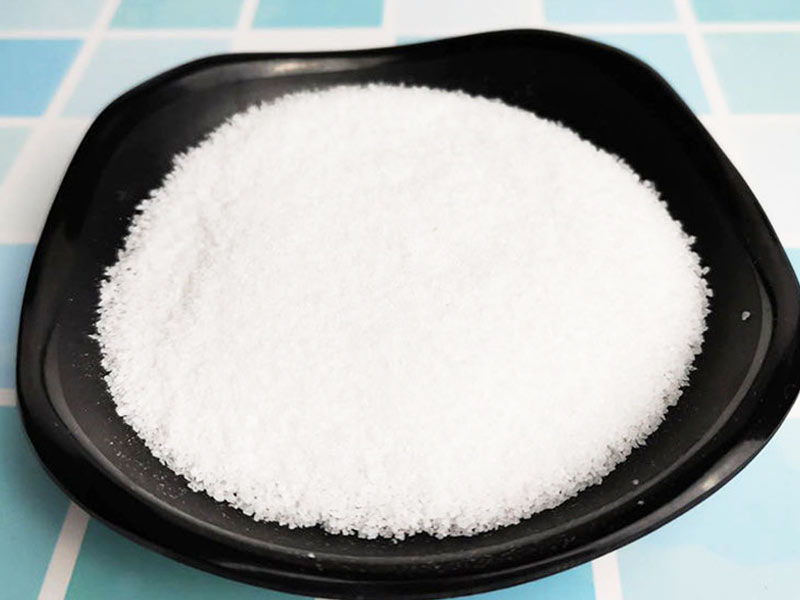
Polyacrylamide is a linear, water-soluble polymer. It is produced by the free radical polymerization of acrylamide monomer. Its chemical formula is usually (C3H5NO)n, where N represents the degree of polymerization, i.e., the number of monomer units in th
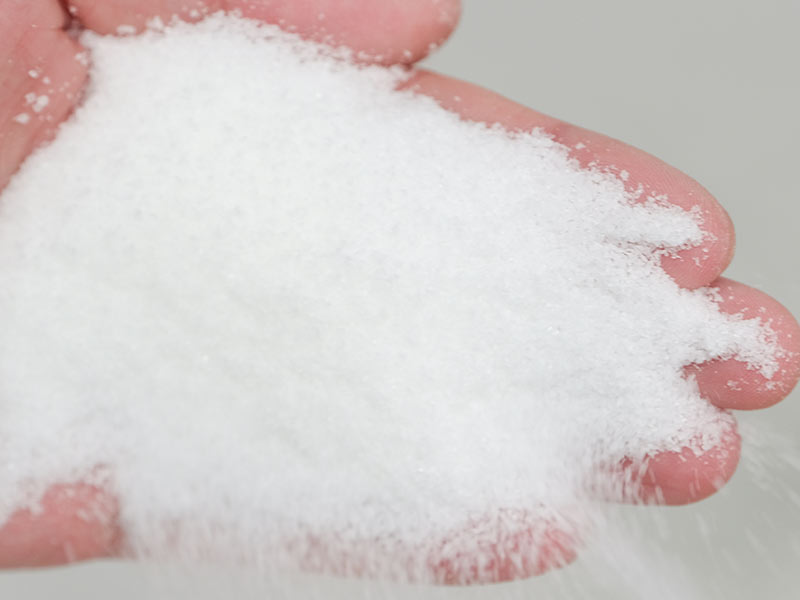
The price of polyacrylamide is primarily determined by the cost of raw materials. PAM mainly comprises acrylamide, acrylic acid and acrylonitrile. Currently, the reference price for pure anionic polyacrylamide on the market is approximately US$1,690 per t
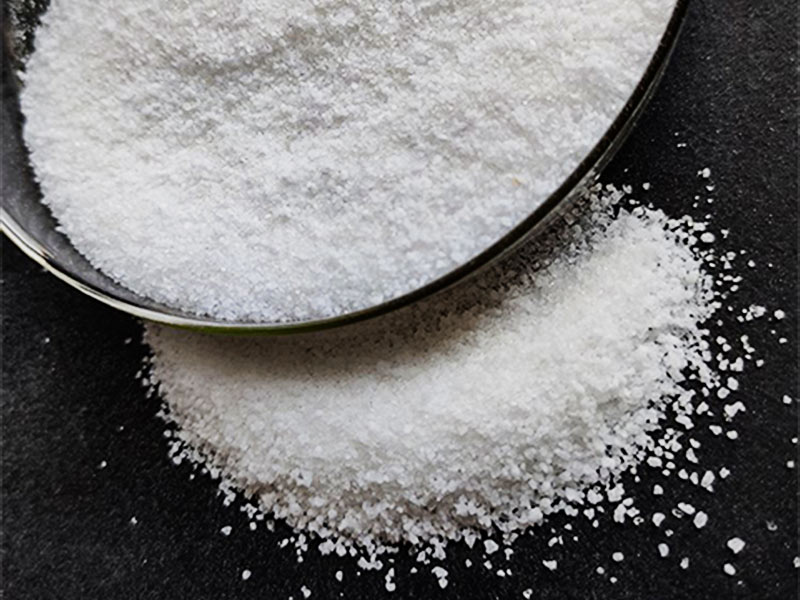
Polyacrylamide is one of the most widely used polymers in the chemical industry. The amide groups in the molecular chain structure of PAM confer unique properties such as adsorption and flocculation. As a result, it is used in a variety of applications, i
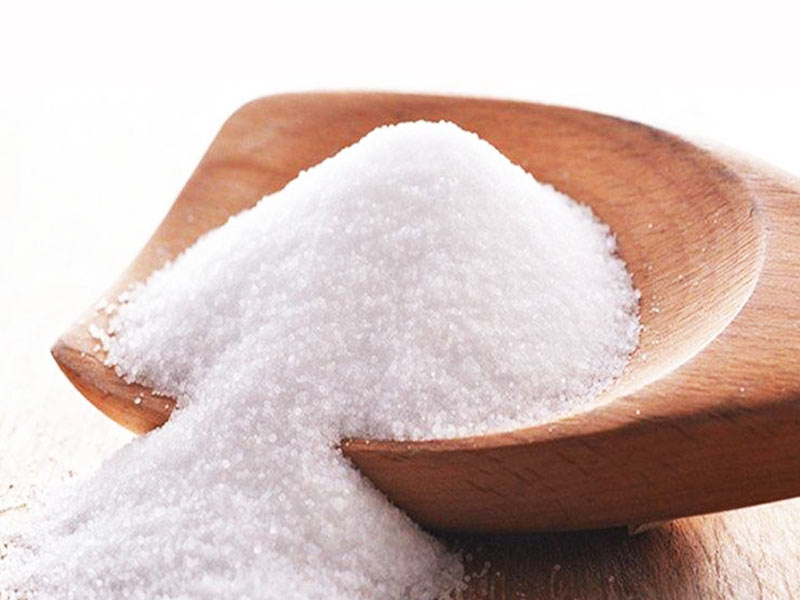
We recognise that polyacrylamide finds extensive application in water purification processes. Moreover, selecting the appropriate grade can significantly reduce operational costs. Despite this, common misconceptions frequently arise during its utilisation
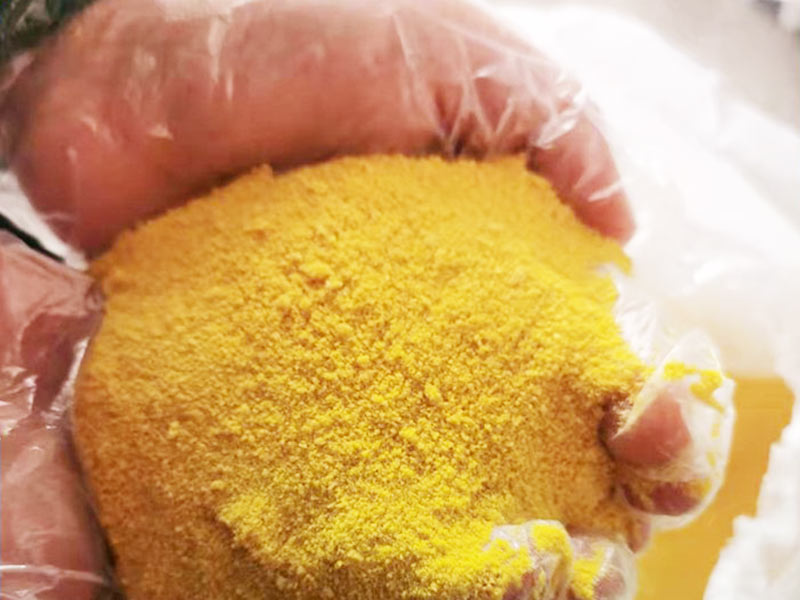
Polyaluminium chloride has now become a relatively common water purification chemical. It is widely used in the wastewater treatment industry. However, many users find its performance less than satisfactory. What could be the reason?
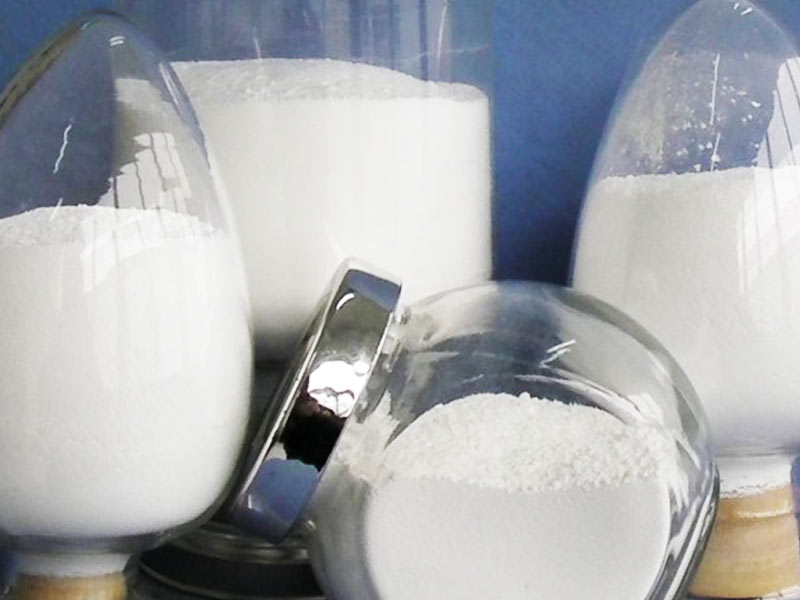
A few points to note when dosing polyaluminium chloride and polyacrylamide. If you have experience treating wastewater, you will know that for certain types of sewage, using a single water treatment chemical often fails to achieve the desired results. Con
Can the dissolution time of polyacrylamide be shortened? Yes, but it is advisable to proceed under scientifically sound operating conditions! Dissolution is a critical stage in the utilisation of polyacrylamide. How to reduce the dissolution time of polya
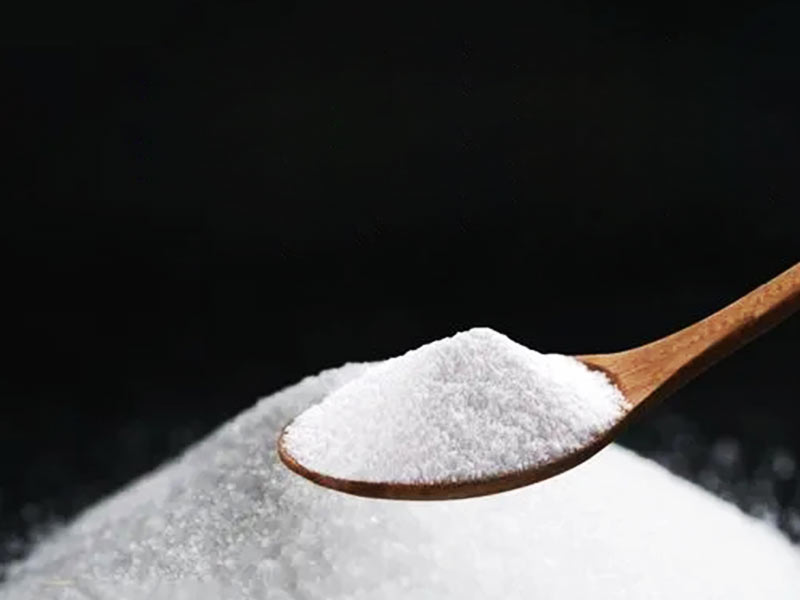
Did you know? Moisture can compromise the efficacy of polyacrylamide. As a commonly used water purification agent, the effectiveness of polyacrylamide products is readily observable, even though they come into contact with water during use.
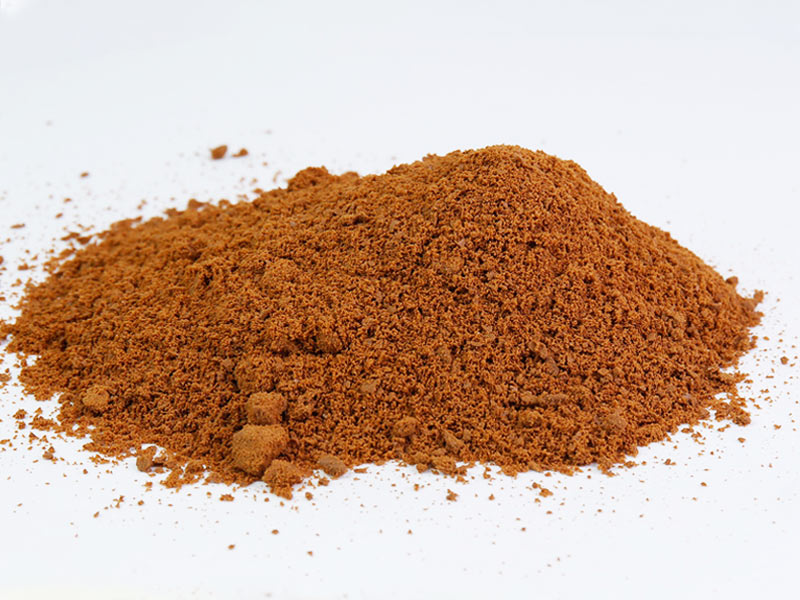
As a proven water purification agent, polyaluminium chloride finds extensive application in water treatment processes. It has superseded traditional water treatment chemicals such as aluminium sulphate and basic aluminium chloride, emerging as a novel pur
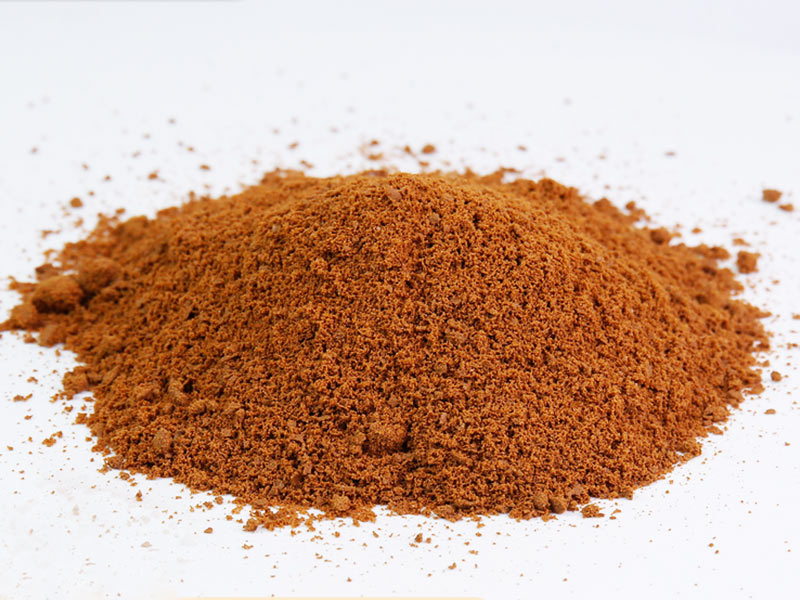
Polyaluminium chloride products have now become a preferred choice for purifying wastewater. When purchasing such products, budget and price are key considerations. Naturally, everyone seeks to acquire high-quality polyaluminium chloride at the most econo
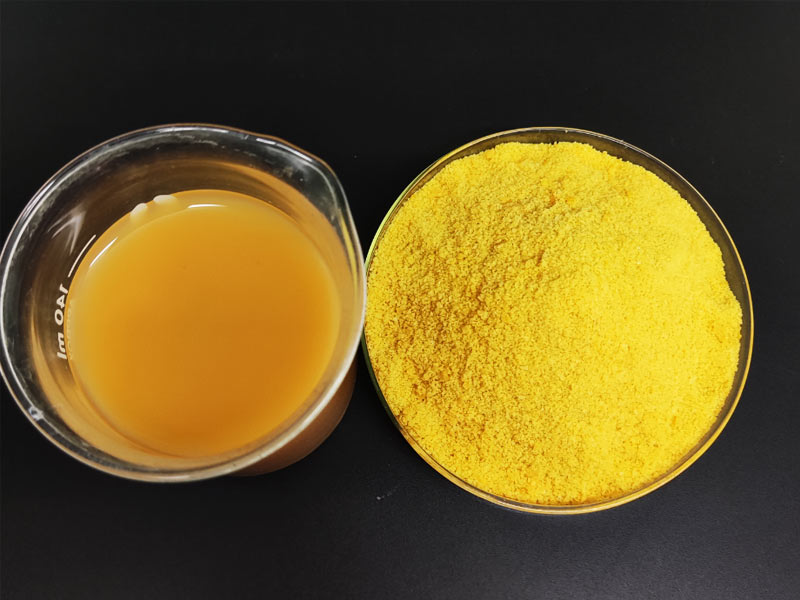
Polyaluminium chloride has now become a widely recognised water purification product. As an exceptionally effective water treatment solution, many users believe that increasing the dosage will enhance purification results. But is this truly the case? What
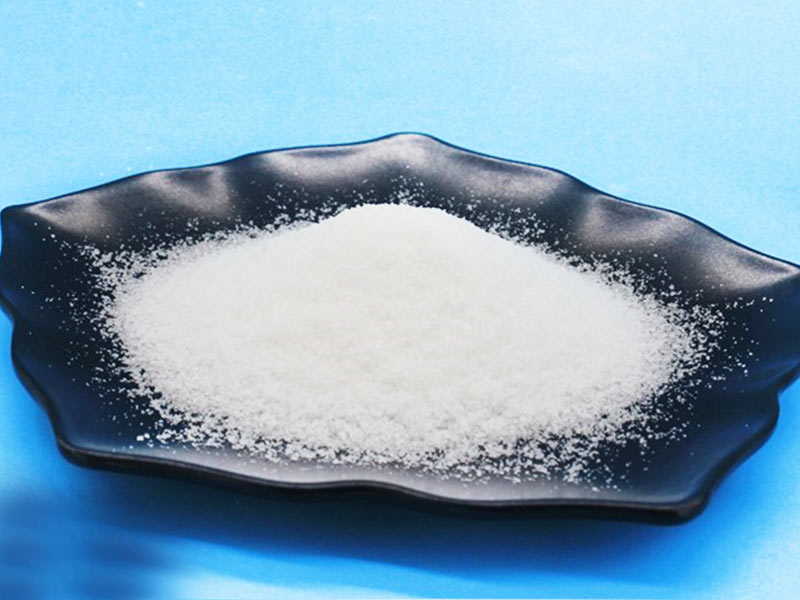
As a commonly used water purification chemical, polyacrylamide products have a wide range of applications. However, polyacrylamide solution also functions as a drag reducer. When using it, the dosage must be precisely determined. It is important to note t
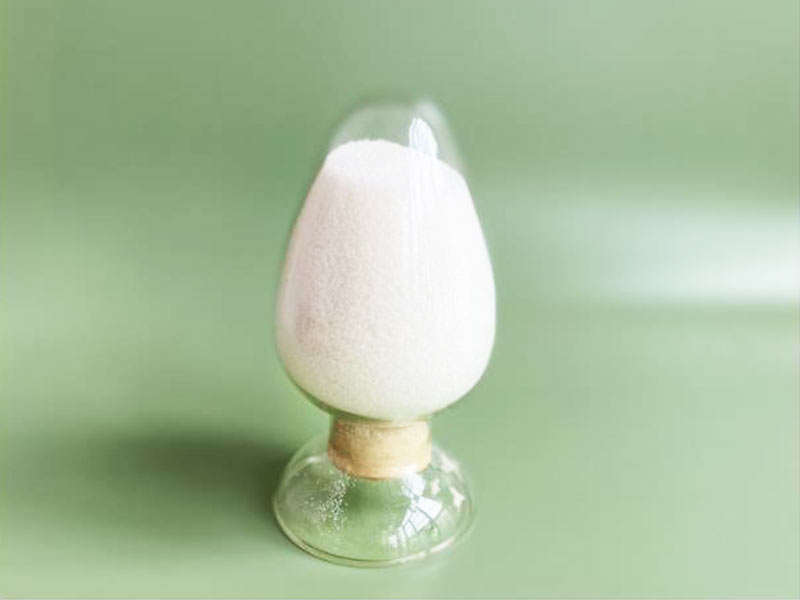
In wastewater treatment processes, we have all recognised the potent efficacy of polyaluminium chloride products. They demonstrate excellent performance during sewage treatment. However, polyaluminium chloride is a high-molecular-weight inorganic coagulan
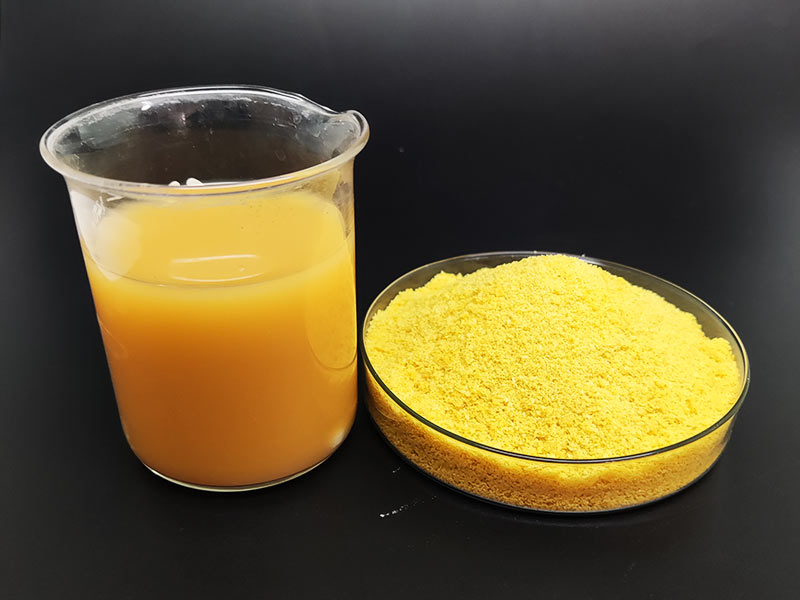
In the application of polyaluminium chloride products, many users observe that its effectiveness is not solely determined by product quality. Correct usage methods are equally crucial, including preparation ratios, dosage rates, and dissolution speeds. Th