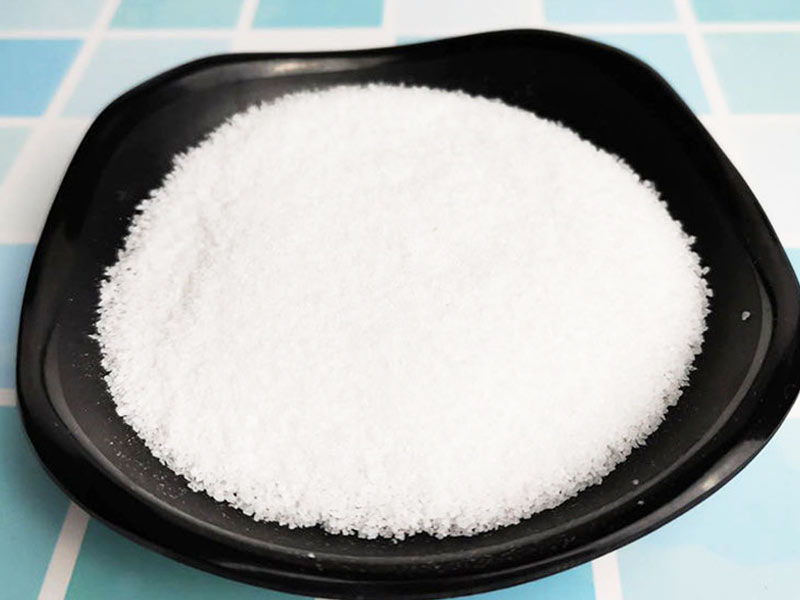
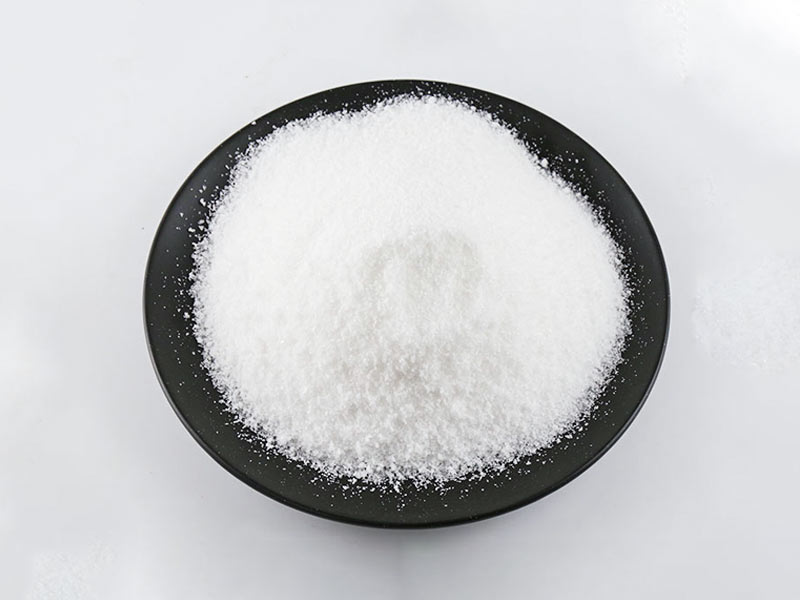
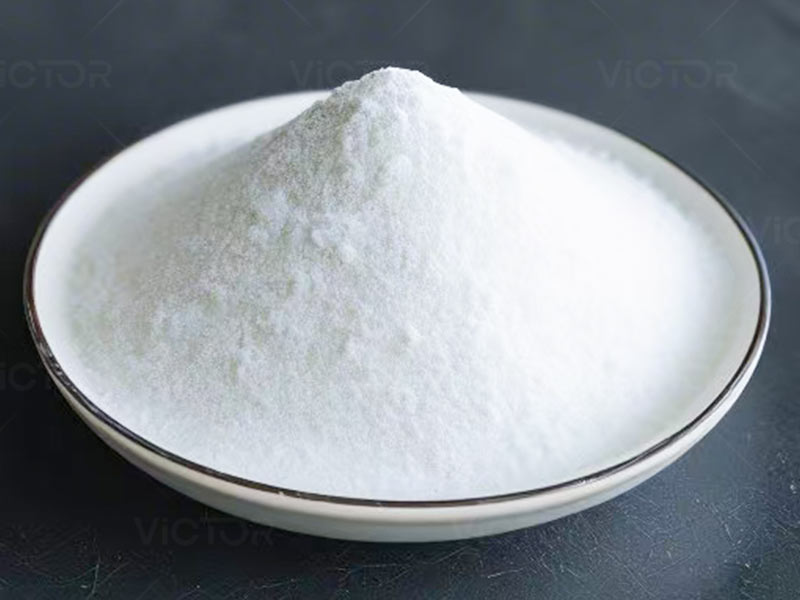
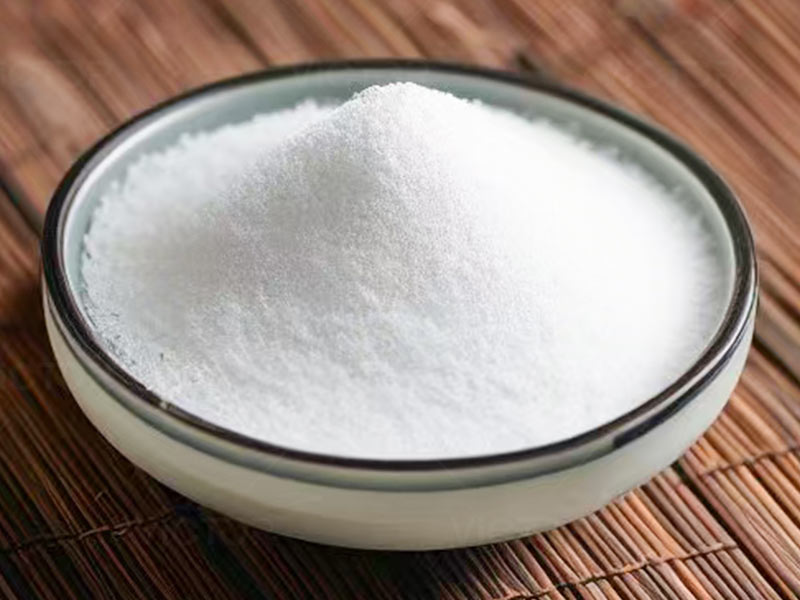
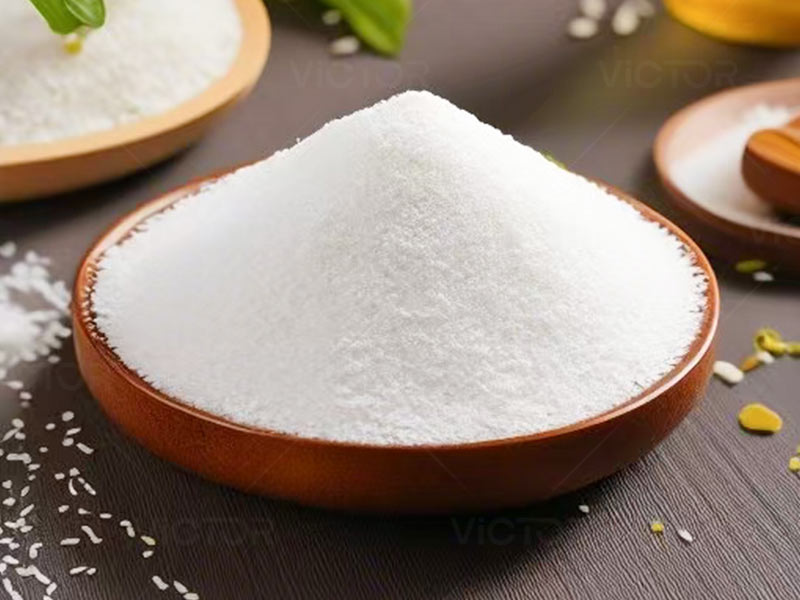
Polyacrylamide is a linear, water-soluble polymer. It is produced by the free radical polymerization of acrylamide monomer. Its chemical formula is usually (C3H5NO)n, where N represents the degree of polymerization, i.e., the number of monomer units in the chain. It has a linear structure and is a colorless, odorless, and non-toxic solid product.
Based on the ionic characteristics introduced during polymerization, polyacrylamide can be classified into the following types:
* Anionic polyacrylamide (APAM)
Contains carboxylic acid groups (-COOH). Suitable for wastewater and sewage treatment, pulp thickening, and paper reinforcement industries involving positively charged particles.
* Cationic polyacrylamide (CPAM)
Contains cationic flocculants such as quaternary ammonium salts. Primarily used for solid-liquid separation in industrial wastewater, municipal wastewater, and sludge dewatering. It is also commonly used as a retention aid.
* Nonionic polyacrylamide (NPAM)
Contains no ionic groups. It has excellent flocculation and thickening properties. Commonly used in oil displacement agents, paper wet-end additives, and textile sizing agents.
Polyacrylamide is widely used in many industries, including water treatment, oil extraction, mineral processing, food processing, agriculture, pharmaceuticals, papermaking, and various other industrial production processes. It possesses excellent flocculation, thickening, binding, drag reduction, and surface activity properties. Furthermore, it plays a vital role in drilling fluids, fracturing fluids, soil stabilization, and mine tailings treatment.