


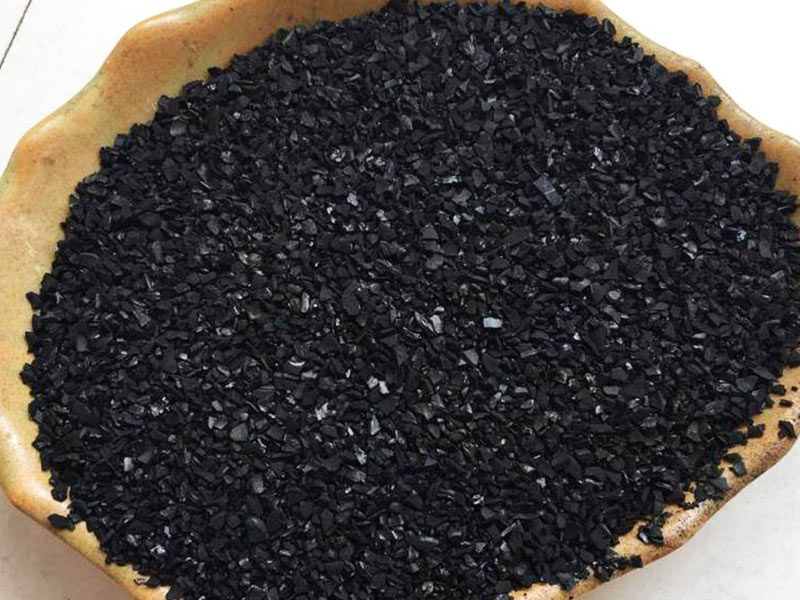
For many, activated carbon serves as an excellent air purifier, effectively removing formaldehyde. This advantage has led to its increasing popularity. However, activated carbon's benefits extend far beyond formaldehyde removal. Today, let us explore som
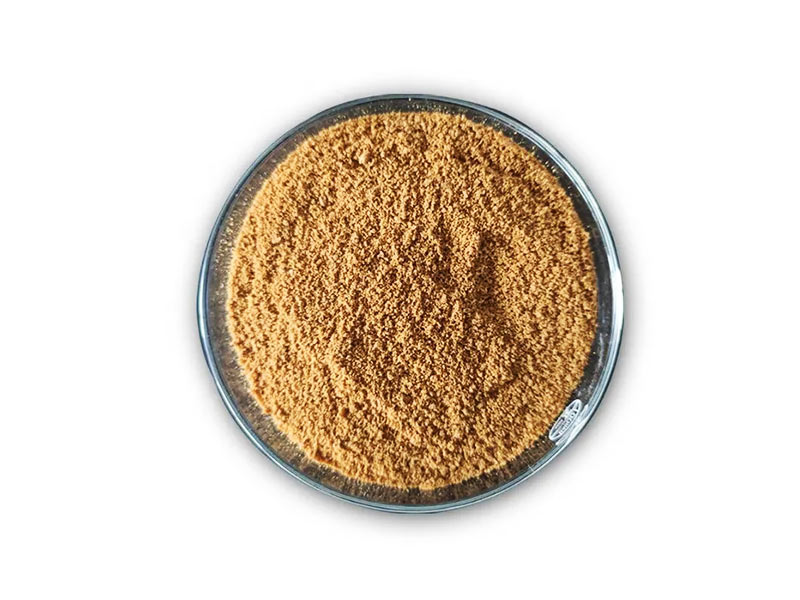
When using polyaluminium chloride, particular attention must be paid to its dissolution. Dissolution constitutes an essential process for solid polyaluminium chloride, as the solid form cannot be directly added to water.
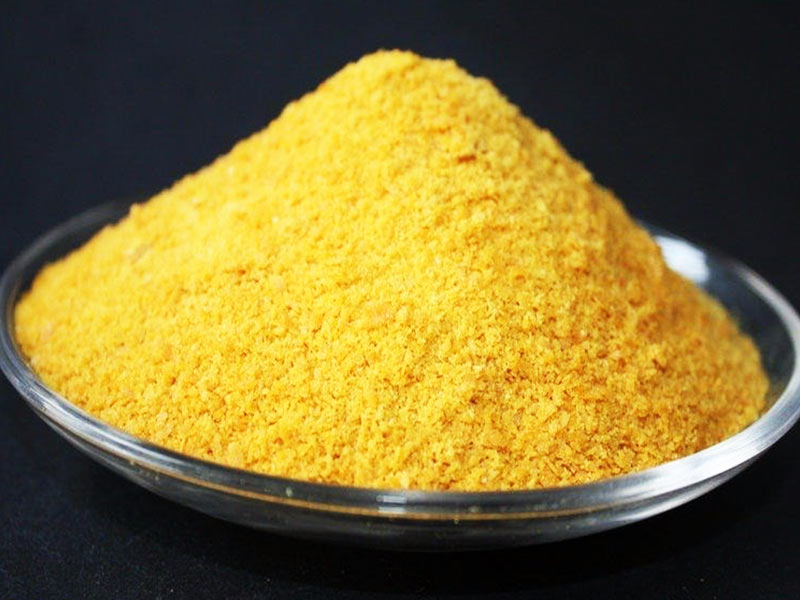
Those familiar with the water treatment industry know that solubility significantly impacts treatment efficacy during the process. Solubility is particularly susceptible to temperature fluctuations. Therefore, polyaluminium chloride manufacturers wish to
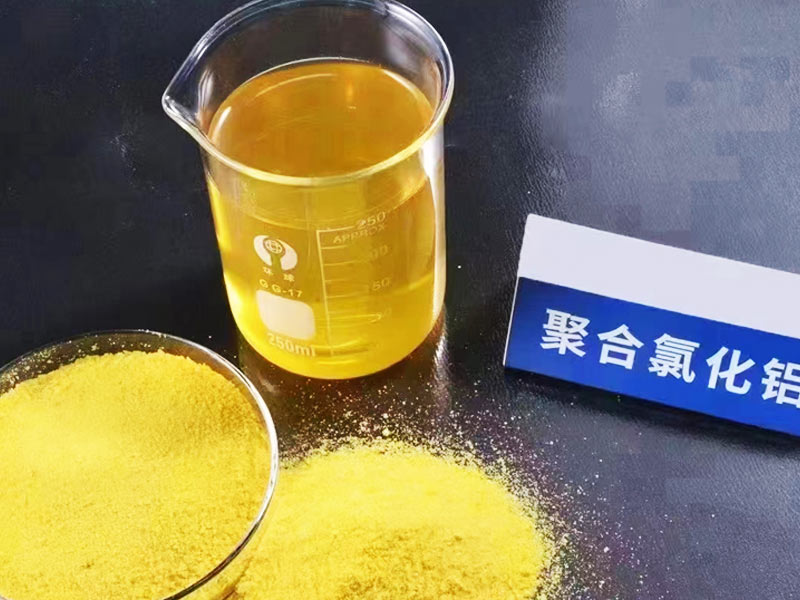
As a high-quality water purification chemical, many believe that higher dosages of polyaluminium chloride yield better results during use. This is not necessarily the case. The efficacy of polyaluminium chloride does not correlate directly with dosage.
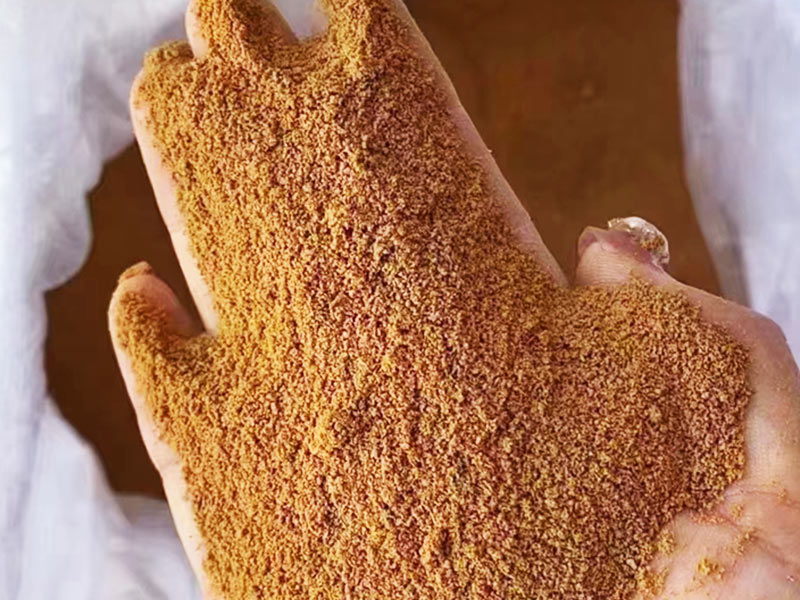
Polyaluminium Chloride, abbreviated as PAC or polyaluminium, refers to a single product regardless of whether termed polyaluminium chloride, polyaluminium, PAC, or polyaluminium. Poly Aluminium Chloride is an emerging water purification agent developed fr
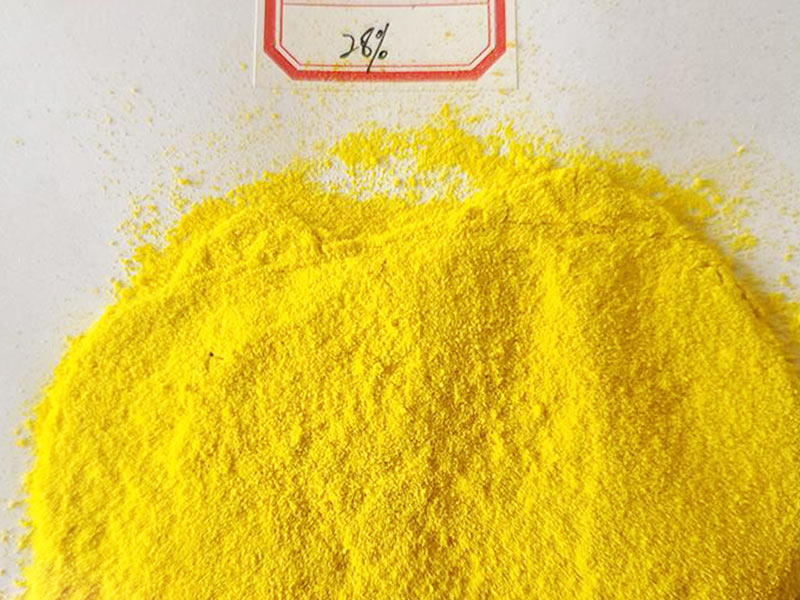
Polyaluminium chloride products, as inorganic polymeric water treatment agents, are categorised by their content into three types: 30%, 28%, and 26% concentration grades. Each concentration grade serves distinct applications and usage scopes, allowing sel
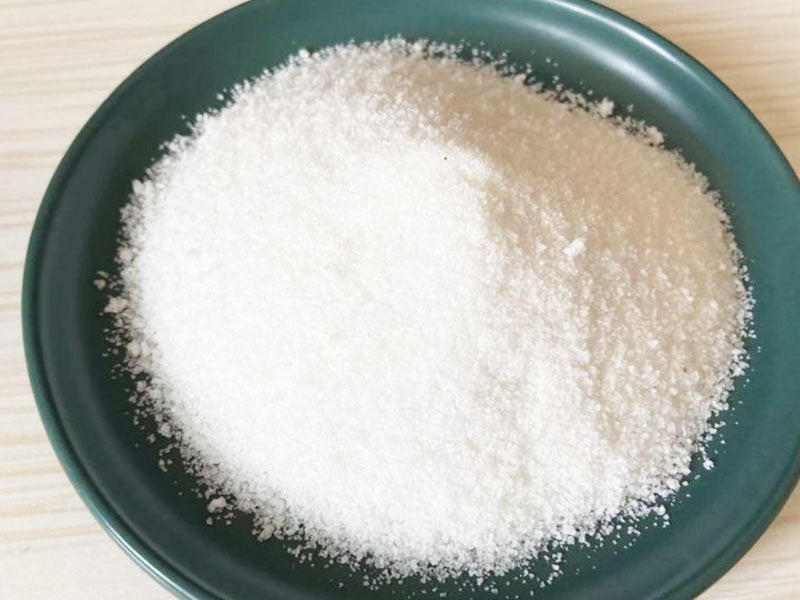
There are indeed numerous types of polyacrylamide water treatment agents. Cationic polyacrylamide is one such variety, distinguished by its molecular weight. A significant advantage of cationic polyacrylamide during use is its excellent water solubility,
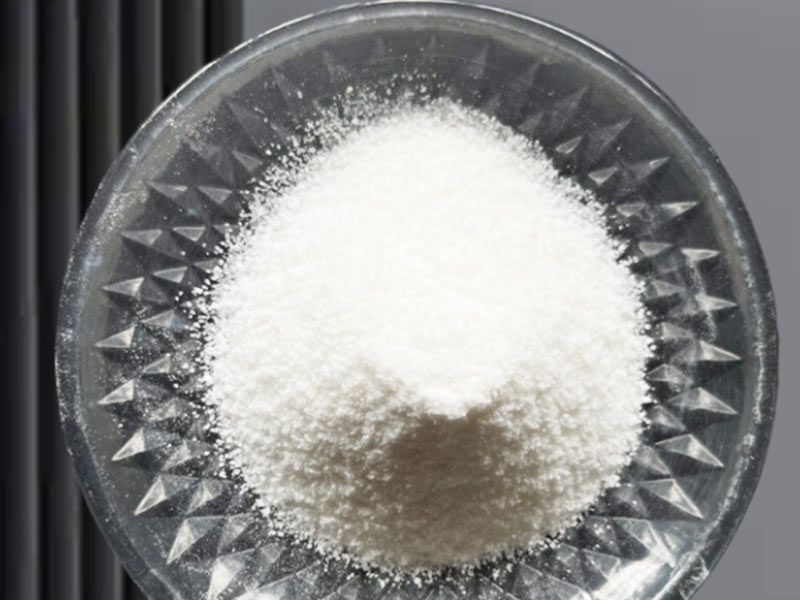
The application of polyacrylamide products involves specific dosage requirements. However, different industries exhibit variations in both the quantity and types of polyacrylamide utilised. What precisely are the usage patterns across these sectors? Let u
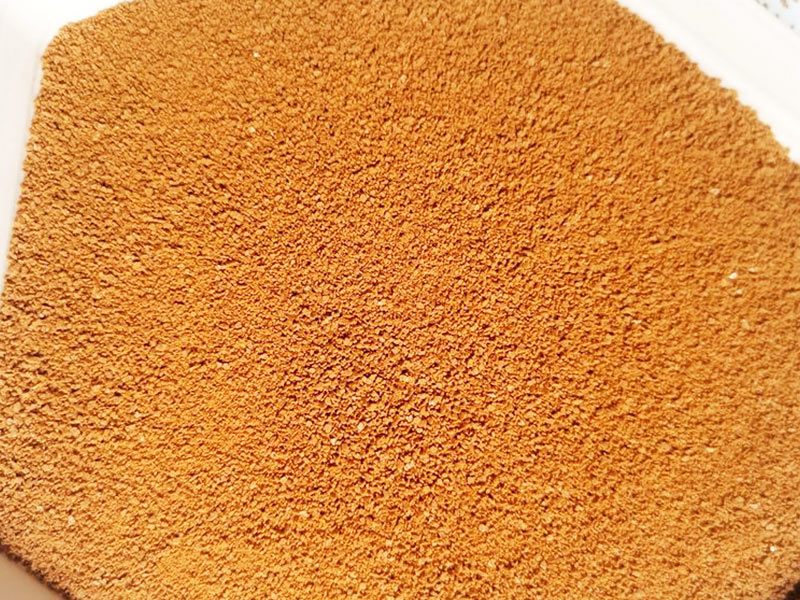
In our daily wastewater treatment processes, the usage volume and frequency of polyaluminium chloride are quite substantial. This has led many to feel uncertain when employing polyaluminium chloride products. What exactly is the usage cost of polyaluminiu
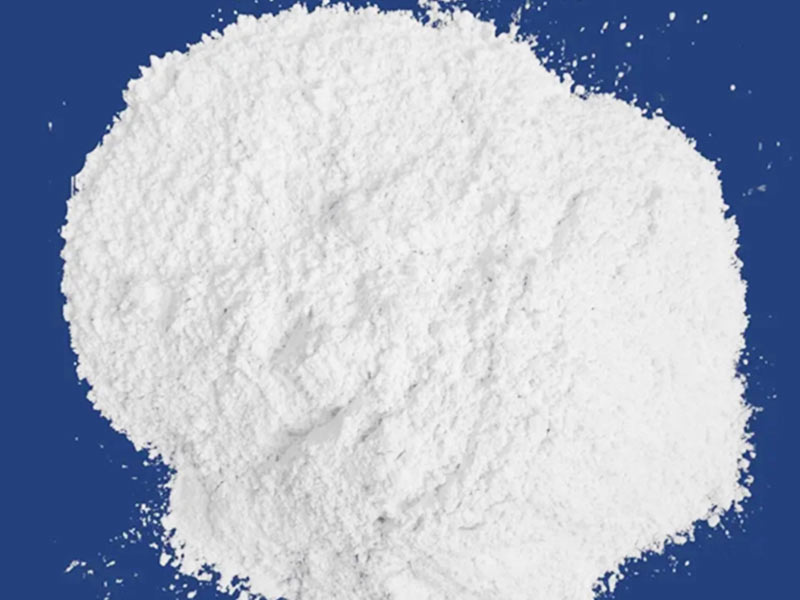
With increasing emphasis on environmental protection, explicit regulations have been established for wastewater discharge. Non-compliant effluent cannot be released, necessitating the development of chemical agents for wastewater purification. Polyacrylam
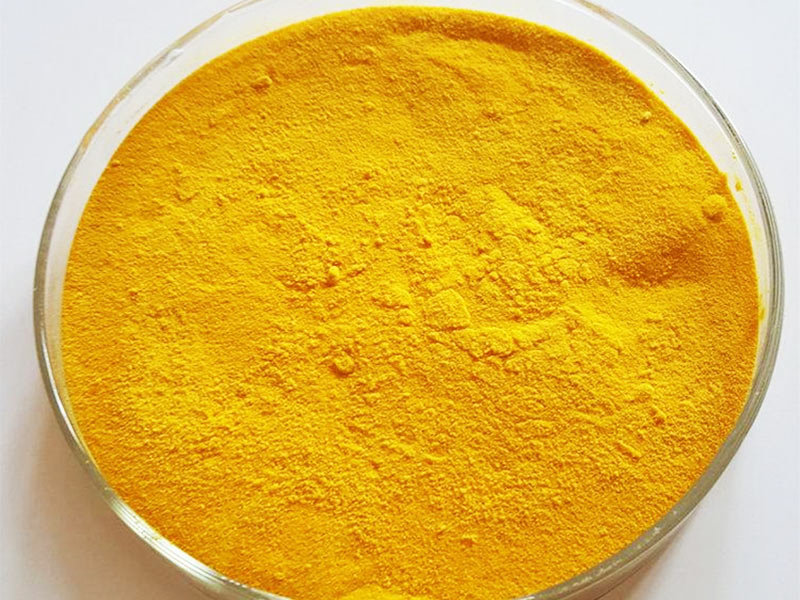
With growing emphasis on environmental protection, polyaluminium chloride products have become increasingly prevalent. This compound has been developed in China for several decades, and its efficacy as a high-performance water treatment agent is widely re
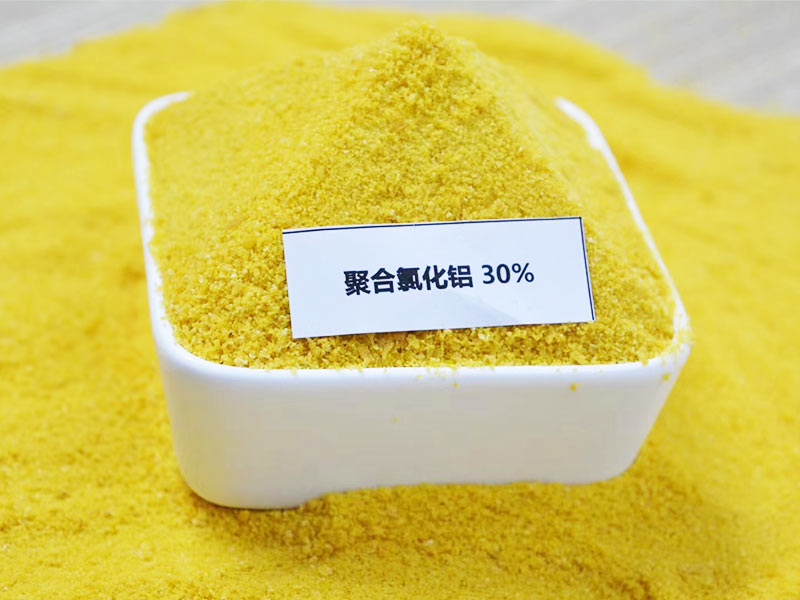
We now live in a rapidly evolving society. Products have transitioned from offline to online platforms. The widespread adoption of the internet has made pricing increasingly transparent for many goods. While this offers significant price advantages, it mu
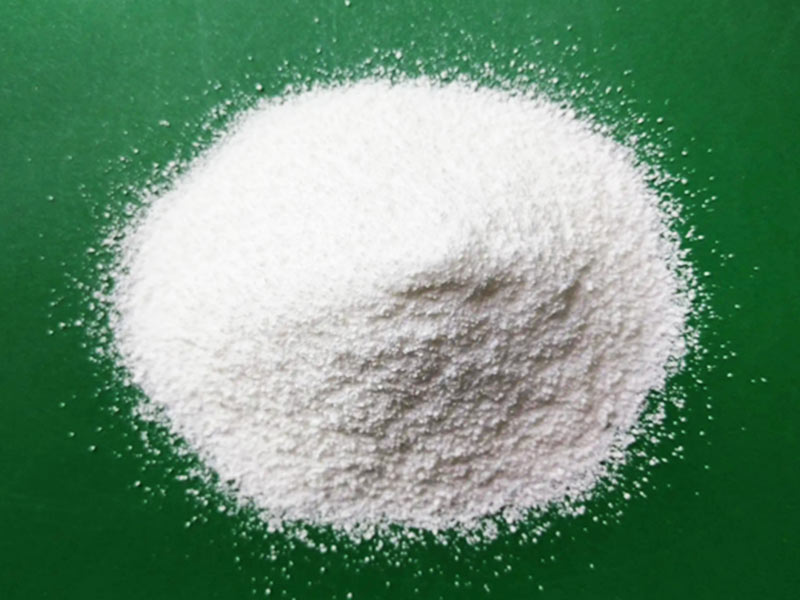
The role of water treatment chemicals in sewage processing is already quite evident. As a highly effective water treatment product, the function of polyacrylamide cannot be overlooked. However, to achieve superior sewage treatment outcomes, precise contro
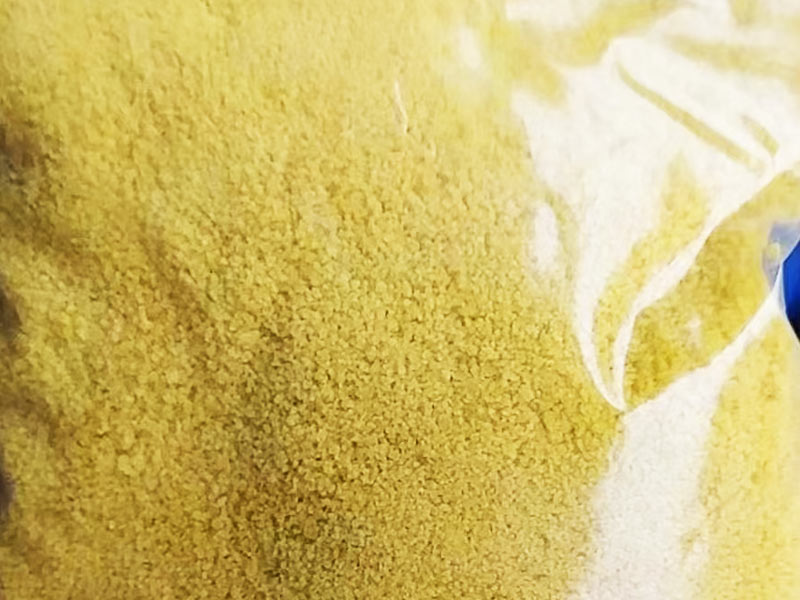
The efficacy of polyaluminium chloride in wastewater treatment is now well established. Generally, when selecting polyaluminium chloride products for sewage purification, many opt for the yellow or yellowish-brown solid form. Such products offer low cost
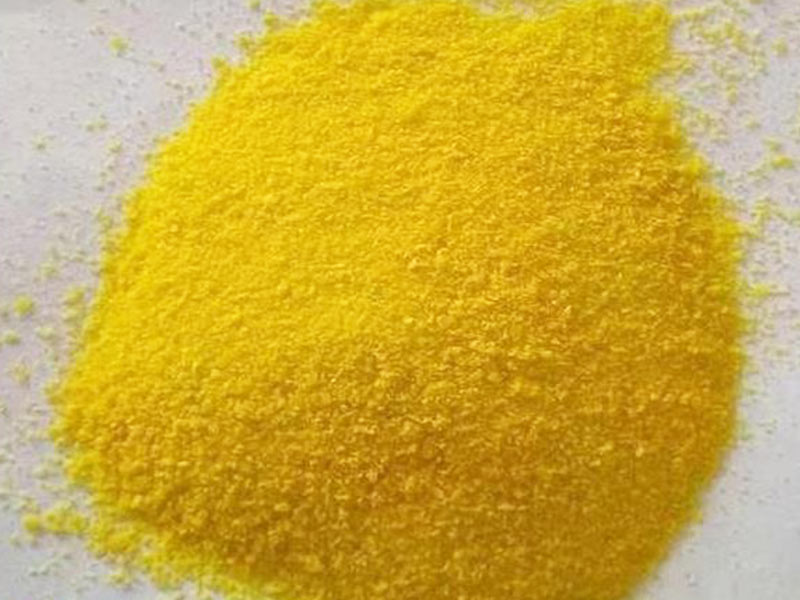
The benefits of polyaluminium chloride products are now widely recognised. This substance not only effectively treats wastewater but also aids in environmental remediation. Currently, the most significant environmental impacts stem primarily from chemical