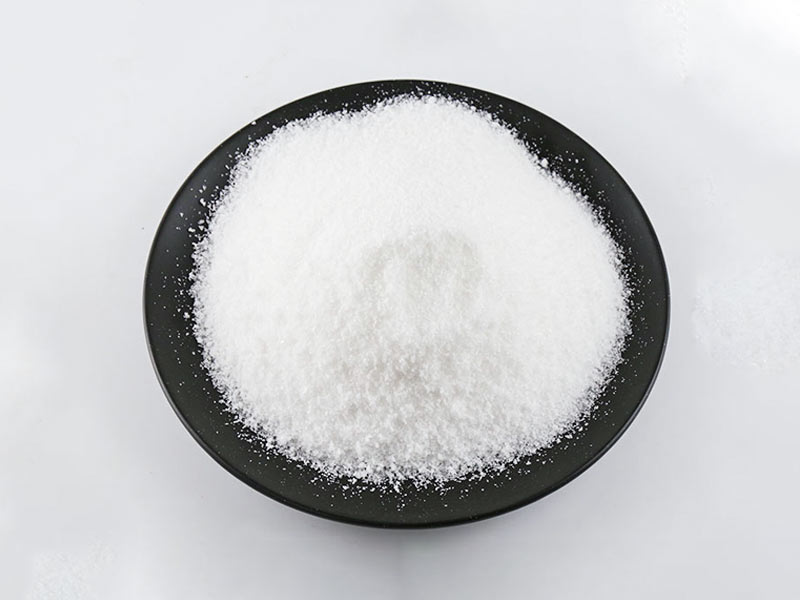
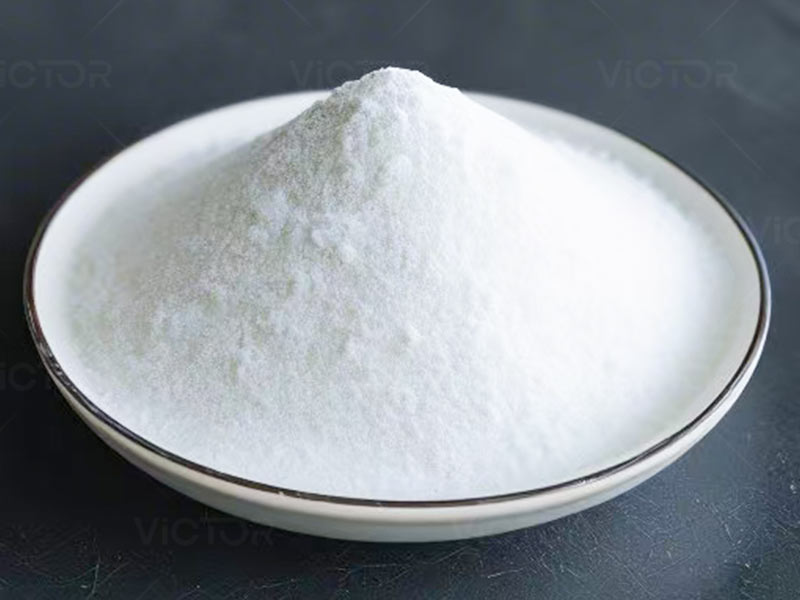
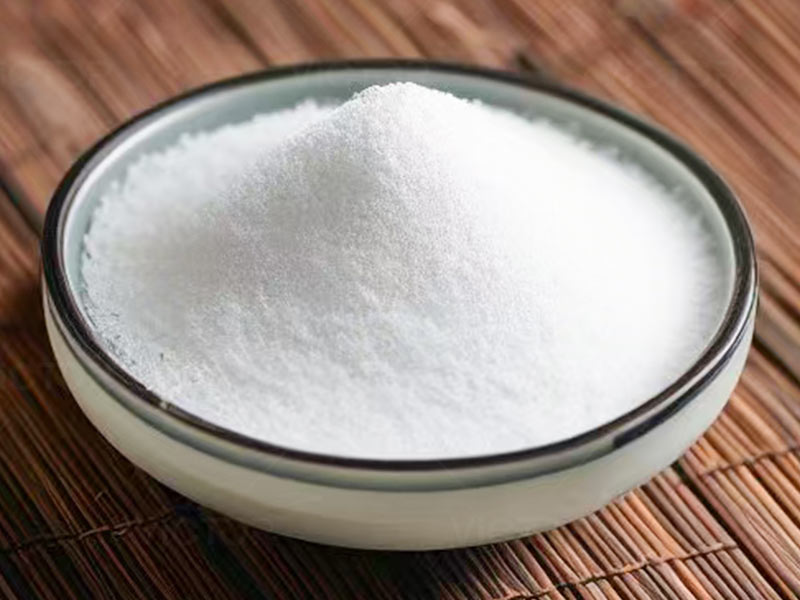
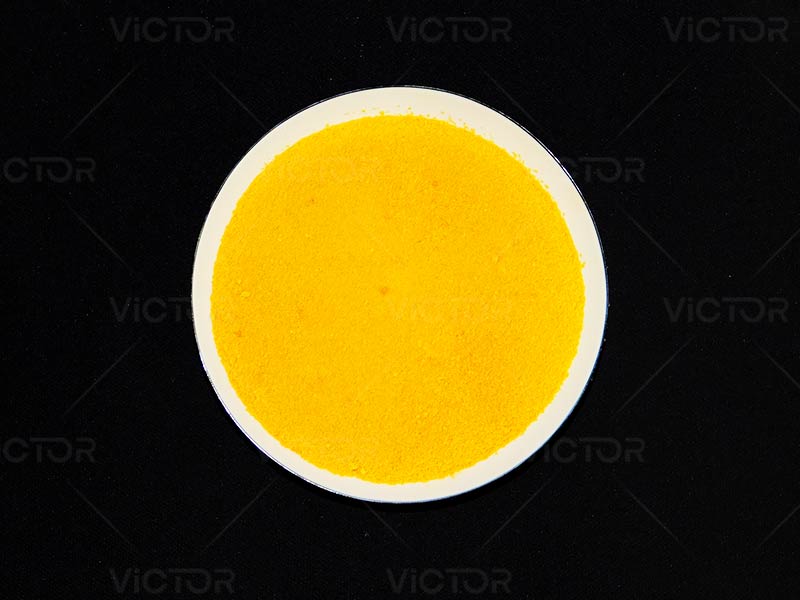
Polyaluminum chloride (PAC) is a commonly used water treatment agent, primarily used for purifying sewage and wastewater. Today, we will detail the usage of PAC.
Determining Water Quality Parameters
Before using PAC, it is necessary to determine the type of sewage. This includes determining the suspended solids and turbidity, as well as parameters such as pH and alkalinity. These will affect the dosage of PAC.
PAC Dosage
- Depending on the raw water conditions, a small-scale test should be conducted before using PAC to obtain the optimal dosage and achieve the desired water purification effect. The test solution should be prepared by weight (w/w), typically 2-5%. For example, a 3% solution: 3g of PAC powder is placed in a clean 200ml graduated cylinder. Then, 50ml of clean water is added. After dissolving, water is added to dilute to the 100ml mark. Finally, the solution is shaken thoroughly.
- PAC solids and clean water can be mixed and dissolved at a weight ratio of 1:9 to 1:15. Solutions with an alumina content below 1% are prone to hydrolysis. It will reduce the effectiveness of use. Too high a concentration makes it difficult to add evenly.
- Determine the optimal dosage of polyaluminum chloride (PAC) through experiments. Observe and adjust during the process. If there are few flocs and a lot of residual turbidity in the sedimentation tank, it means the dosage is too low. If the flocs are large and rising to the surface, and the residual turbidity is high, it means the dosage is too high and needs to be adjusted appropriately.
Determine the dosing point
PAC is added at different locations in the water treatment system, such as the coagulation tank, sedimentation tank, or before the filter. Choosing the appropriate dosing point can improve the effectiveness of polyaluminum chloride and reduce waste.
Agitation and sedimentation time
After adding polyaluminum chloride, sufficient sedimentation time should be provided to allow PAC to combine with suspended solids in the water to form flocs and settle to the bottom. The length of agitation and sedimentation time depends on the design of the water treatment system and the water quality.
pH Adjustment
PAC is critical to pH. If the pH of the wastewater is too low, the effectiveness of PAC may be affected. Before adding polyaluminum chloride (PAC), it may be necessary to adjust the pH of the water to ensure it is within the pH range suitable for PAC flocculation.
Preventing Overdosing
Overdosing may lead to excessive water purification, which can have adverse effects on the environment and aquatic life. Always use PAC at a reasonable dosage based on water quality analysis results and the recommendations of the PAC supplier.
Precautions
Follow safe operating procedures when using PAC. Avoid direct contact with skin, eyes, and respiratory tract. Wear appropriate protective equipment, such as goggles, face shields, masks, and protective clothing.
In summary, polyaluminum chloride (PAC) is a common chemical used for water purification. Before using PAC, analyze the water quality, determine the dosage, dosing point, and pH adjustment. Follow safe operating procedures to ensure proper use of PAC to improve water purification while minimizing adverse effects on the environment and human health.