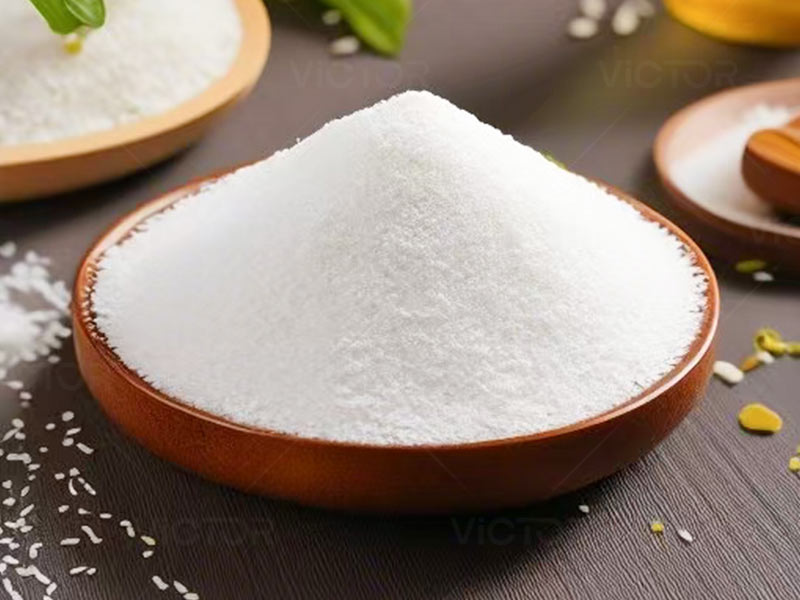
Polyaluminium chloride is a polymeric coagulant widely used in the field of water treatment. PAC falls under the category of water treatment chemicals within the chemical and energy sector. Its core function is to coagulate suspended solids, colloidal particles and some soluble impurities in wastewater into larger flocs through chemical processes such as adsorption and bridging. This facilitates subsequent sedimentation and filtration separation. Poly aluminium chloride has found significant application in the treatment of industrial wastewater, drinking water and municipal sewage. PAC is particularly suitable for treating water with low turbidity, high colour or organic pollutants. So, why is PAC commonly used in water treatment? Today, VICTOR reveals the answer.
Analysis of PAC and Technical Principles
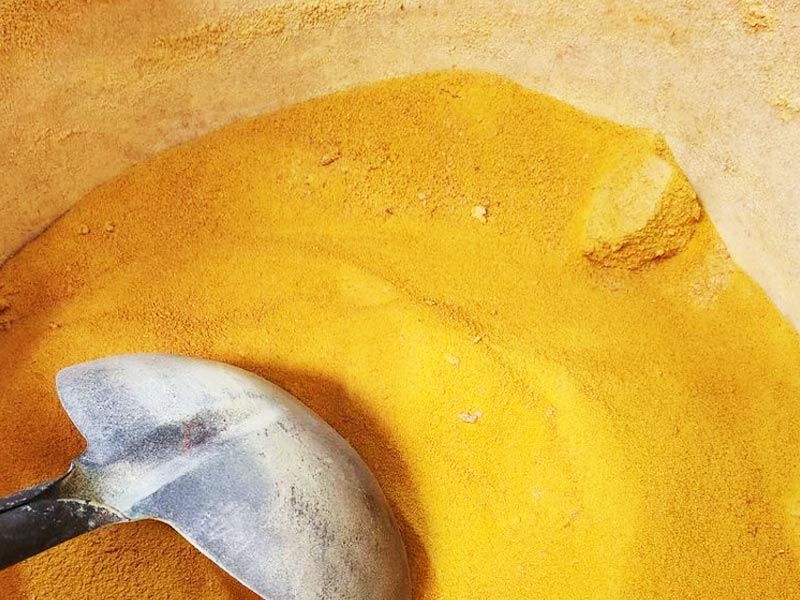
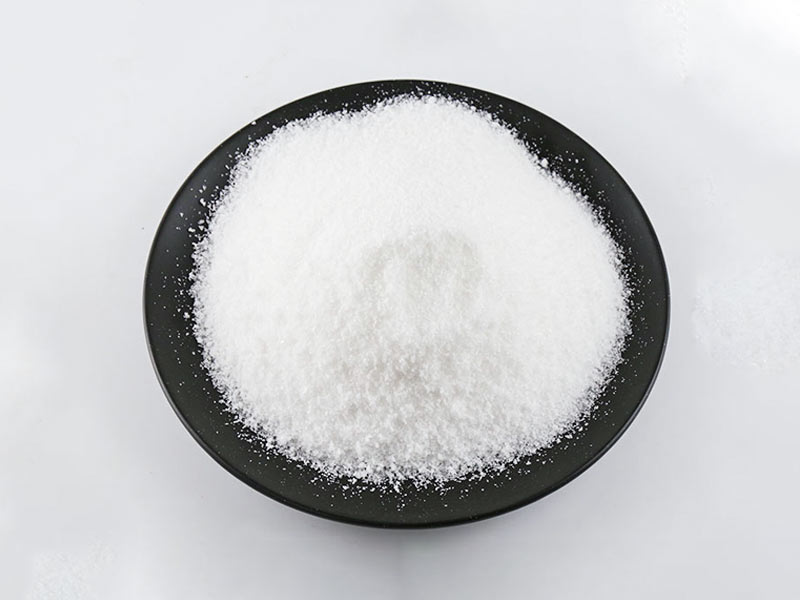
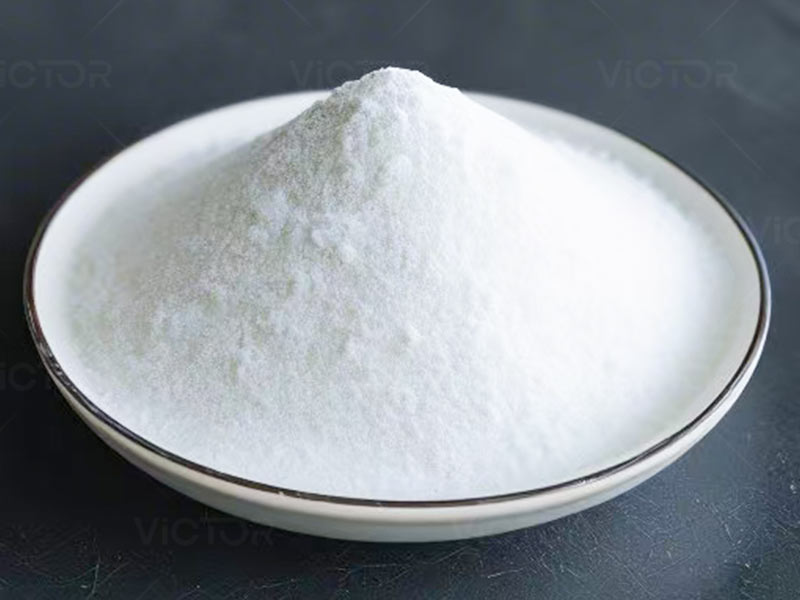
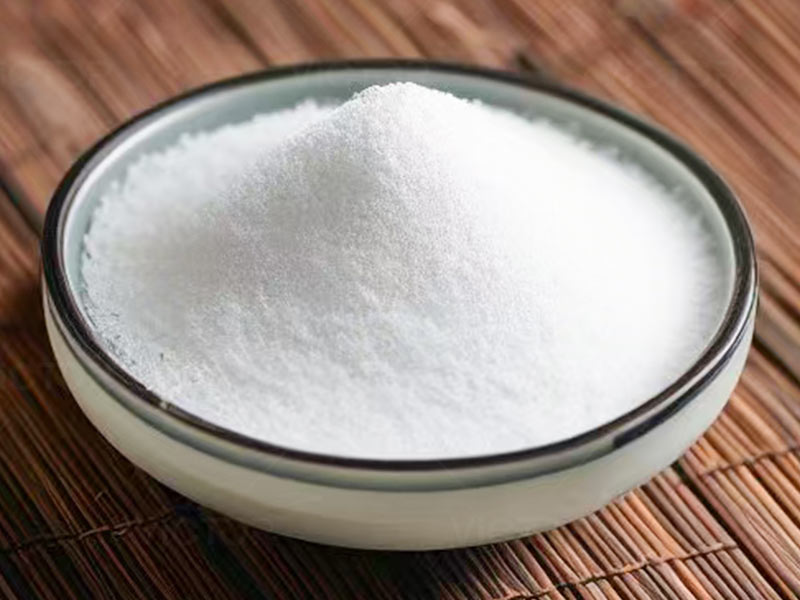
Polyaluminium chloride consists primarily of aluminium salts, which undergo hydrolysis to form polyvalent hydroxyl complexes. The active components exist in a composite aluminium-iron form. Through the copolymerisation of aluminium and iron salts, a polyvalent complex ion structure is formed. This structure retains the strong adsorption properties of aluminium salts whilst combining them with the rapid settling rate and excellent decolourisation properties of iron salts. These complexes possess strong adsorption capabilities. They neutralise the charges of suspended particles in water, causing them to aggregate into larger flocs, which eventually settle and separate. The active ingredient content is typically 24–30%. It appears as granules in shades of pale yellow, brown or white. It can be classified into food-grade, industrial-grade and potable water-grade varieties. The content of water-insoluble matter is extremely low, ensuring high efficiency and stability during use.
Functions and Applications of Polyaluminium Chloride
Its primary function is to settle suspended solids in wastewater. PAC is suitable for the purification of industrial wastewater, domestic sewage and drinking water. In the industrial sector, it is commonly used to treat high-turbidity wastewater generated by industries such as papermaking, chemicals, printing and dyeing, and mineral processing. In municipal applications, it is frequently employed for the pre-treatment of water sources at water treatment plants. In environmental management, it is often used as an auxiliary treatment for addressing eutrophication in rivers and lakes. Its high efficiency is demonstrated by the rapid formation of flocs, which shortens the settling time. It also reduces the load on subsequent filtration stages.
Advantages, Features and Environmental Benefits
Compared to traditional coagulants such as aluminium sulphate, polyaluminium chloride offers the following three advantages:
- Flocs form rapidly and have a compact structure, reducing sedimentation time by 30–50%.
- It has a wider pH range of applicability. It maintains stable water purification performance under both weakly acidic and weakly alkaline conditions.
- It has a lower residual aluminium content, complying with international drinking water standards (≤0.2 mg/L).
In practical applications, this product performs exceptionally well on difficult-to-treat water bodies such as low-temperature, low-turbidity water, oily wastewater and textile dyeing wastewater. PAC can effectively reduce COD (Chemical Oxygen Demand) and SS (Suspended Solids) levels. The production process for polyaluminium chloride employs clean technology, making it an environmentally friendly material. It does not cause secondary pollution to water bodies. It must be stored in a dry place to prevent moisture absorption and caking.
Method of Use and Precautions
The dosage must be adjusted according to the characteristics of the water quality. A beaker test is typically used to determine the optimal dosage. Polyaluminium chloride is a solid powder. It must first be dissolved into a 5–10% solution before addition. It is recommended to use softened water during the dissolution process to avoid interference from impurities. The dosing point may be selected at the upstream section of the re-mixing reaction tank. After thorough mixing with the water, the mixture enters the flocculation tank. The pH value must be maintained within the range of 6.5–8.5. Excessive acidity or alkalinity will impair flocculation efficiency. It is also important to note that the product must not be mixed with strong oxidising or reducing agents to prevent chemical reactions that could reduce its efficacy.
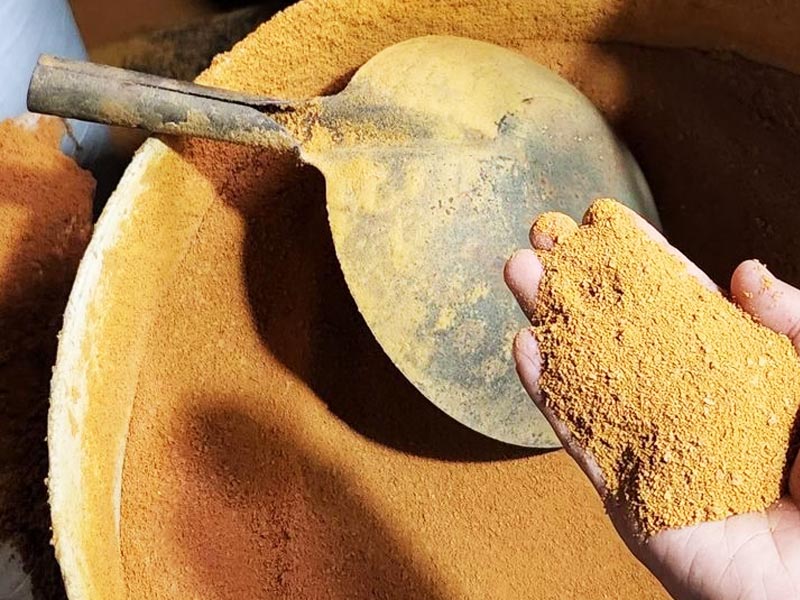
In summary, polyaluminium chloride plays a vital role in the field of water treatment. Not only does it improve water quality and reduce the concentration of pollutants in the water, but it also regulates the pH of the water and eliminates odours and tastes. It is precisely due to these excellent properties that polyaluminium chloride has become an essential coagulant in the water treatment industry.