


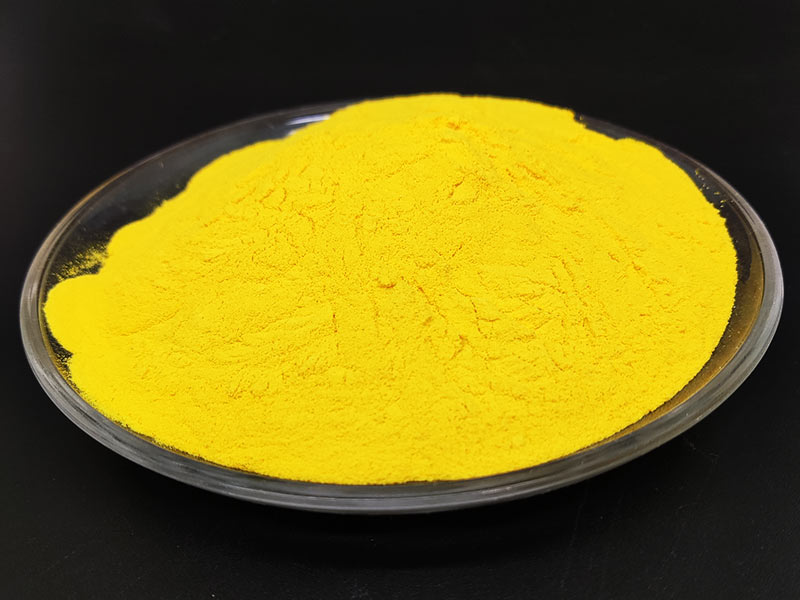
As a widely utilised polyaluminium chloride product, this chemical agent plays a significant role in water treatment. Functioning as a water purification agent, polyaluminium chloride can be employed for both industrial wastewater treatment and drinking w
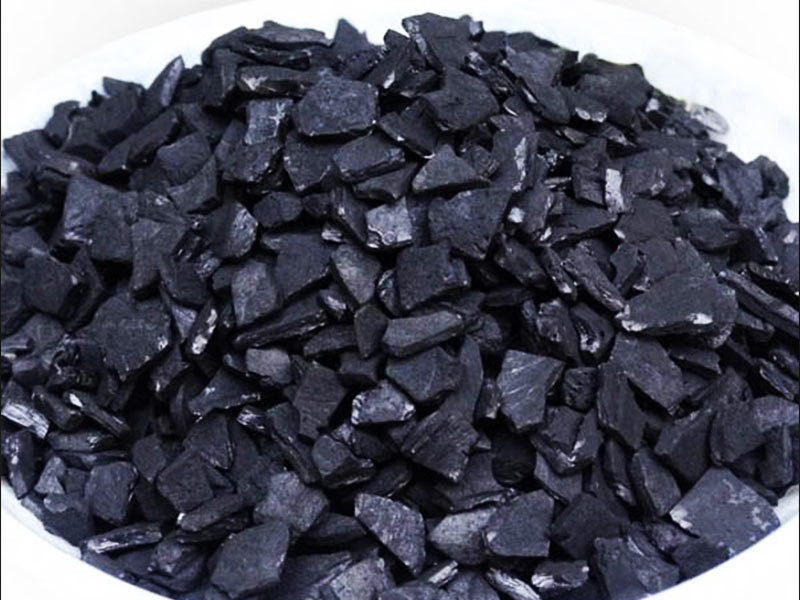
Activated carbon is a black powder, block or granular form of carbon. It is now widely utilised across numerous industries, particularly demonstrating remarkable efficacy in air purification and wastewater treatment. It has become the primary choice for m
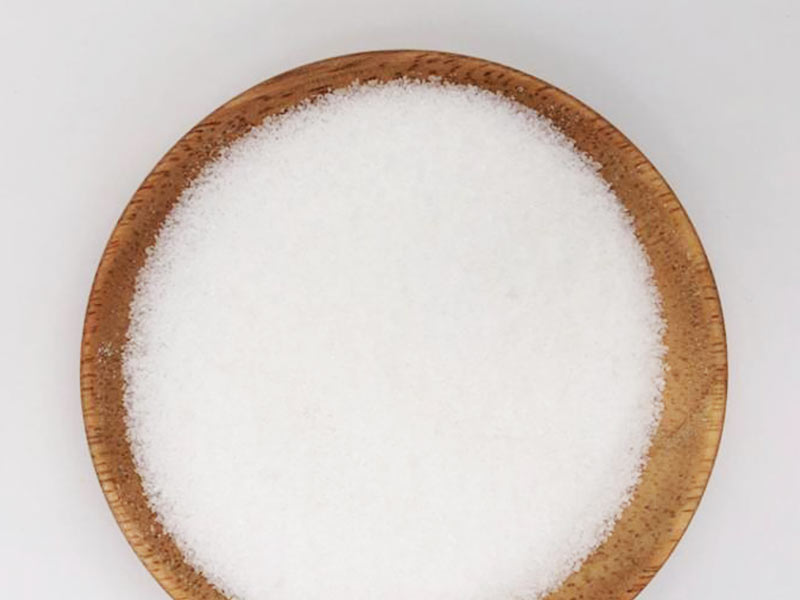
As a chemical water treatment agent, the function of polyacrylamide is already widely recognised. Its applications are closely linked to its chemical properties and physical characteristics, making it highly desirable to gain a clear understanding of poly
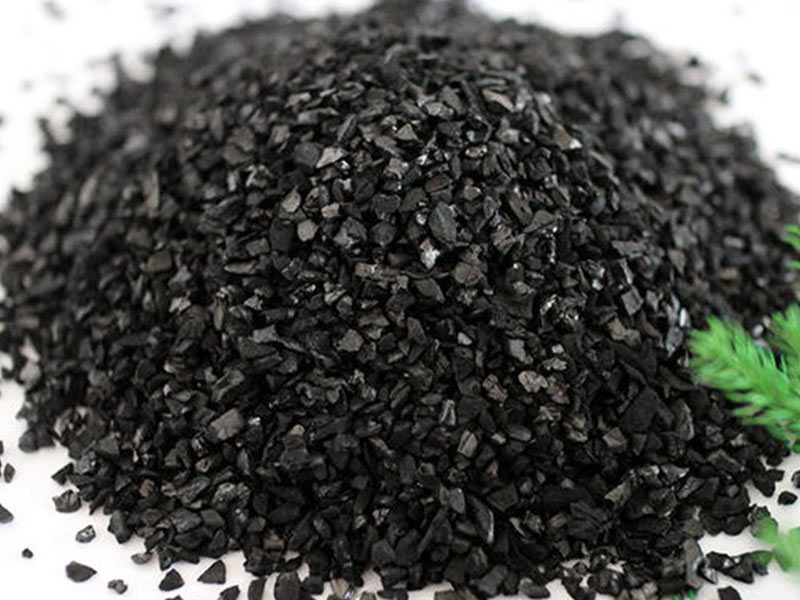
Activated carbon is a substance we frequently encounter in daily life. While it is relatively commonplace, our understanding of it largely remains confined to water purification. In truth, however, activated carbon possesses considerable utility and serve
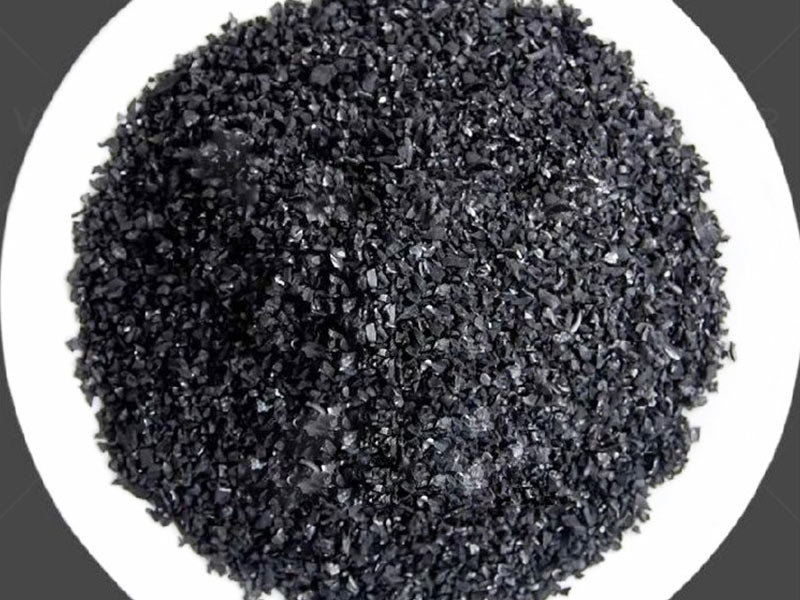
The rapid expansion of industrial sectors has resulted in substantial wastewater generation. Efficient wastewater treatment and recycling methods have consequently garnered significant attention. Industrial effluents primarily originate from sectors such
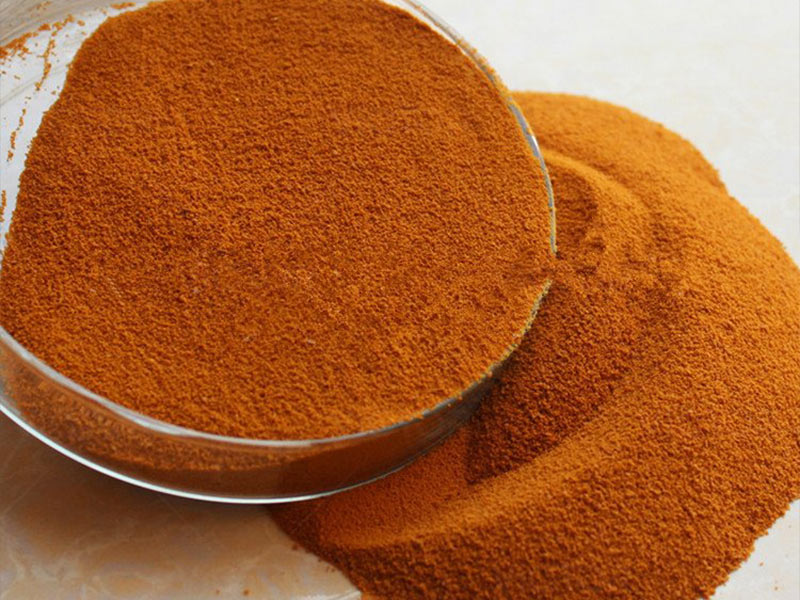
It is now widely recognised that the paper industry constitutes one of the primary sources of industrial pollution. This stems from the substantial water consumption inherent in paper production processes. The volume of wastewater generated by this sector
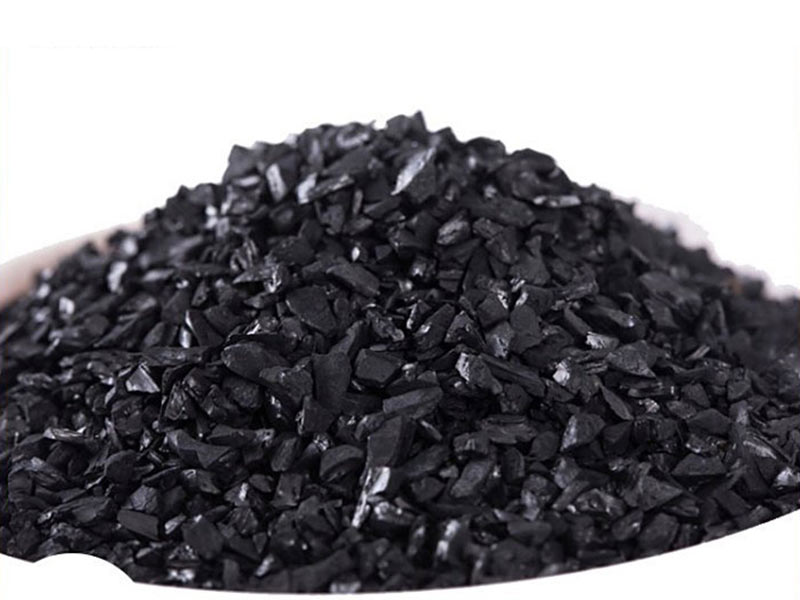
As environmental awareness grows, more people are gaining a clearer understanding of coconut shell activated carbon. But what exactly makes coconut shell activated carbon so effective, and how is it used for air purification?
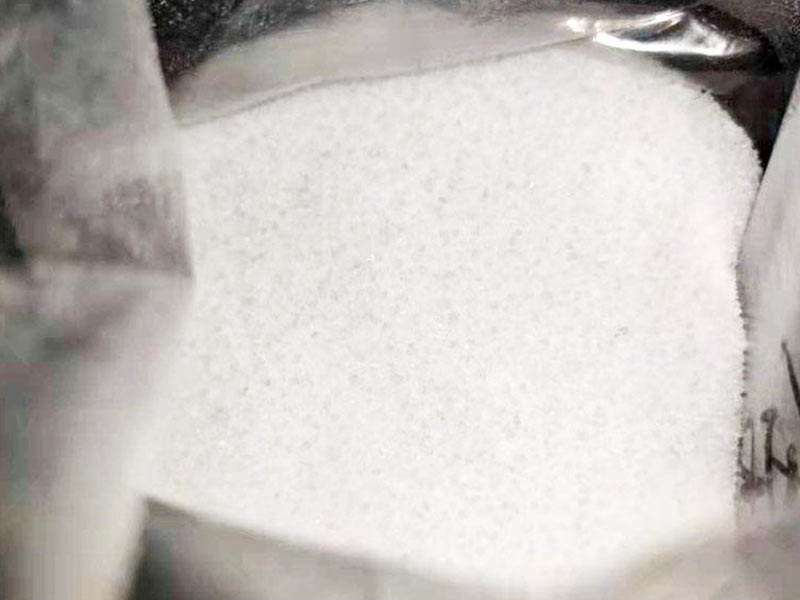
Given polyacrylamide's increasing practicality in daily applications and expanding scope of use, many have become familiar with polyacrylamide products. As a high-molecular-weight polymer, it holds an irreplaceable position in water treatment, the paperm
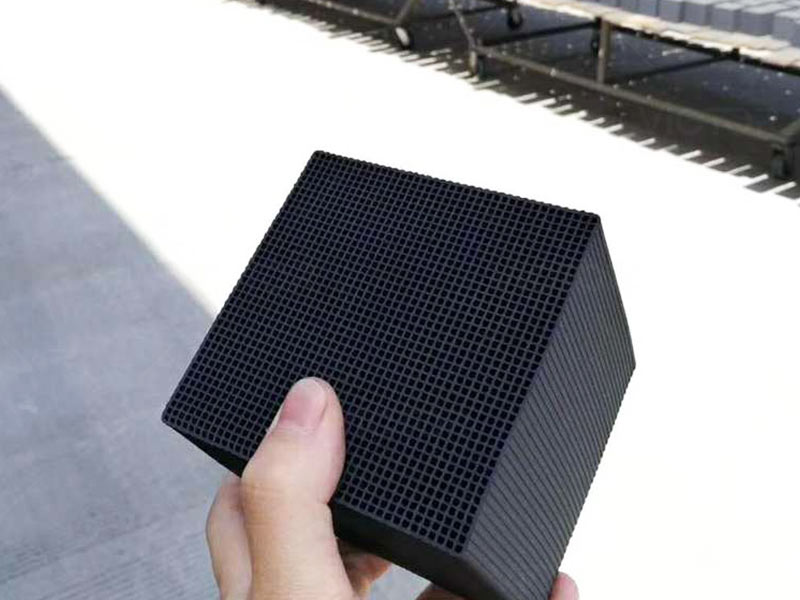
The advancement of our times has led to a growing emphasis on environmental protection. Consequently, activated carbon has come to the fore as an effective aid in air purification. This material encompasses numerous classifications...
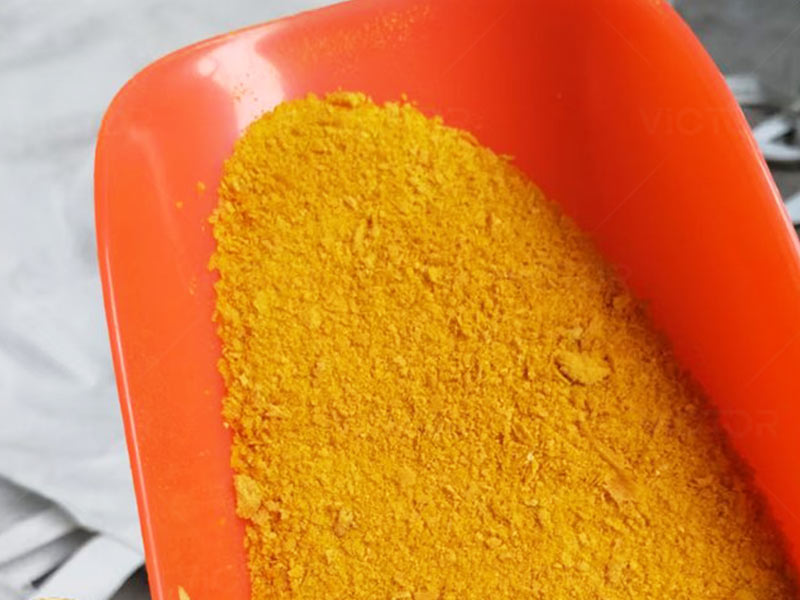
Polyaluminium chloride products, now widely recognised as water purification agents, have gained considerable popularity. As a relatively novel water treatment material, this water-soluble polymeric compound exerts strong electrostatic and bridging effect
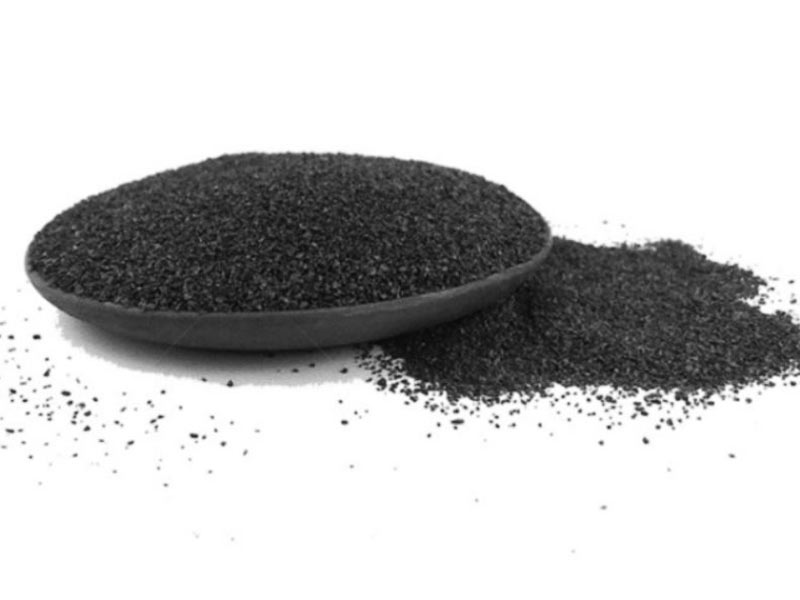
In current wastewater treatment processes, both polyaluminium chloride and activated carbon are employed. But what exactly distinguishes these two substances? As a user, would you opt for activated carbon or polyaluminium chloride for water treatment? Let
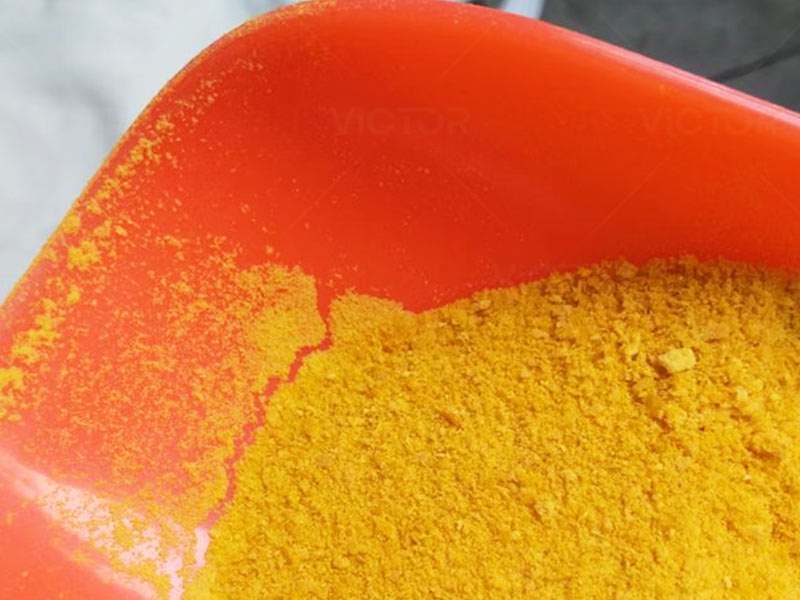
When using polyaluminium chloride products, many encounter the issue of water-insoluble matter. What causes this? Generally, domestic polyaluminium chloride products are primarily manufactured from bauxite and calcium aluminate. Following acid leaching an
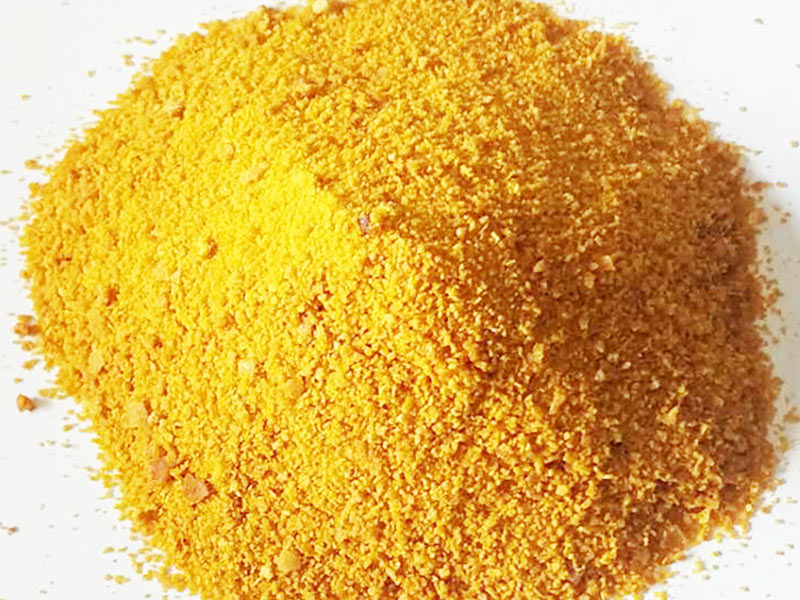
With the growing emphasis on environmental protection, wastewater treatment has become an integral part of environmental conservation. Consequently, polyaluminium chloride has emerged as a widely used product in wastewater treatment.
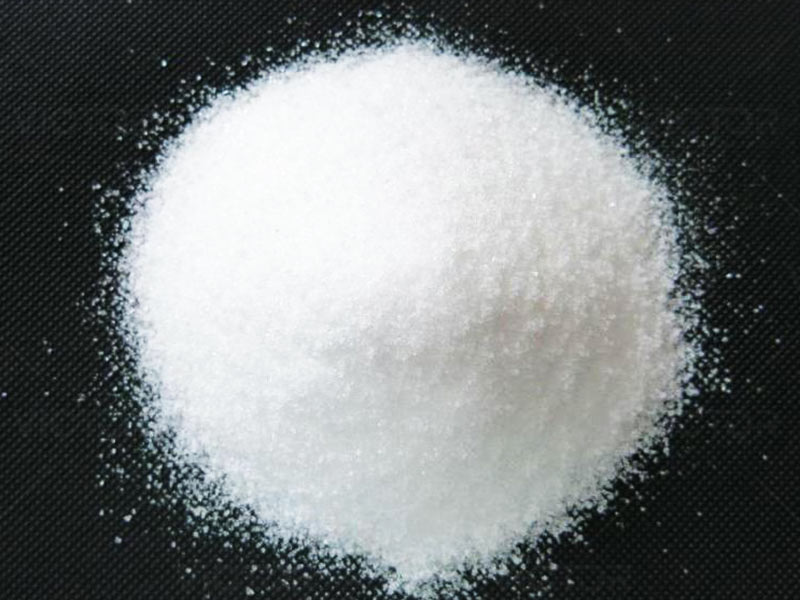
During our wastewater purification processes, we have all come to recognise the efficacy of polyacrylamide products. Indeed, polyacrylamide stands as one of the most favoured flocculants in water treatment. However, many users observe that during dissolut
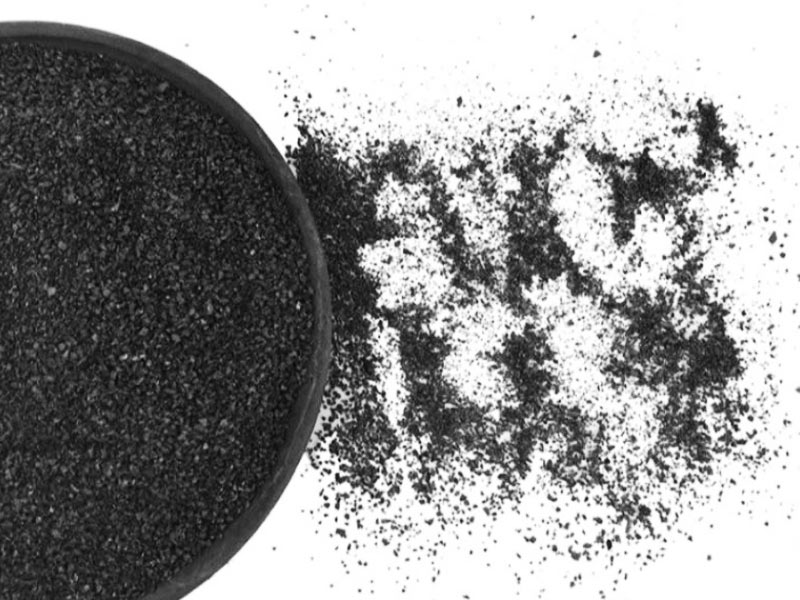
The current state of atmospheric pollution is extremely severe. Although environmental protection has been prioritised in recent years, further strengthening of conservation measures remains essential. In this context, we must mention activated carbon. Ov