Polyaluminium chloride is a commonly used, highly effective coagulant. It has a very wide range of applications, particularly in the field of wastewater treatment. Today, we will provide a detailed overview of the production process for poly aluminium chloride. Let us take a look at the key technical points of each stage.
Preparation of Raw Materials
The primary raw materials for the production of polyaluminium chloride are aluminium sources and acids. Aluminium sources refer to bauxite (containing 40%–70% Al₂O₃), aluminium dross (an industrial by-product containing aluminium waste) and aluminium hydroxide (high purity but relatively high cost). The acids used are primarily hydrochloric acid (HCl) and sulphuric acid (H₂SO₄). Most polyaluminium chloride manufacturers opt for hydrochloric acid due to its rapid dissolution rate, which results in a higher-purity PAC product.
Acid Leaching Reaction
The aluminium source is mixed with acid in a specific ratio (e.g., bauxite to hydrochloric acid at approximately 1:1.5). The mixture is then heated and stirred in a reactor (with the temperature controlled between 80–95°C). The acid-solubilisation reaction takes place: Al₂O₃ + 6HCl → 2AlCl₃ + 3H₂O. The end point of the reaction is controlled by the pH (4.5–5.5) and aluminium concentration. At this stage, the solution primarily contains AlCl₃ and undissolved impurities.
Maturation and Adjustment
The acid-solubilised solution is transferred to a maturation tank. A small amount of calcium aluminate and sodium hydroxide is then added to adjust the pH. Simultaneously, air is introduced and the mixture is thoroughly agitated for 2–4 hours. This promotes the hydrolysis and polymerisation of AlCl₃, forming adsorbent polyhydroxyl complexes (such as [Al₂(OH)ₙCl₆₋ₙ]). This brings the product’s basicity (B) to 50%–80%, significantly enhancing the stability of the polyaluminium chloride.
Drying and Granulation
The matured solution is filtered through a plate-and-frame filter press to remove impurities, after which it proceeds to the drying stage. There are currently two mainstream drying methods:
- Spray drying: The resulting granules are uniform, with water-insoluble matter <0.3%, making it suitable for drinking water-grade PAC.
- Trommel drying: This method has low production costs and produces flake-shaped granules. It is primarily used in industrial wastewater treatment.
The moisture content of the dried product is controlled below 3% to facilitate subsequent transport and storage.
Product Testing and Packaging
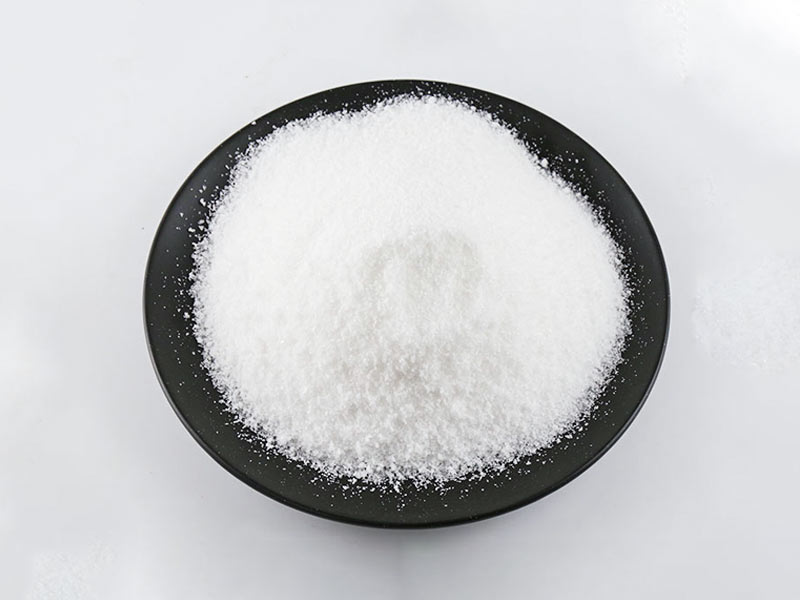
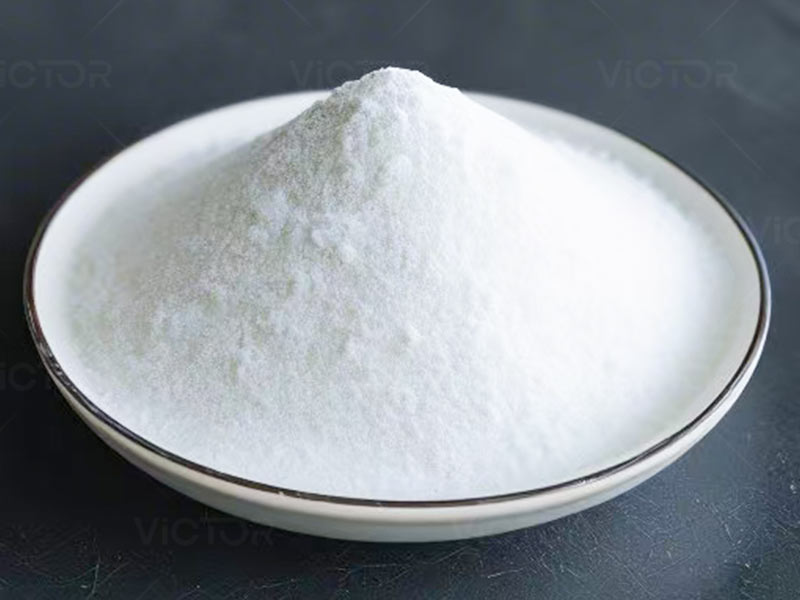
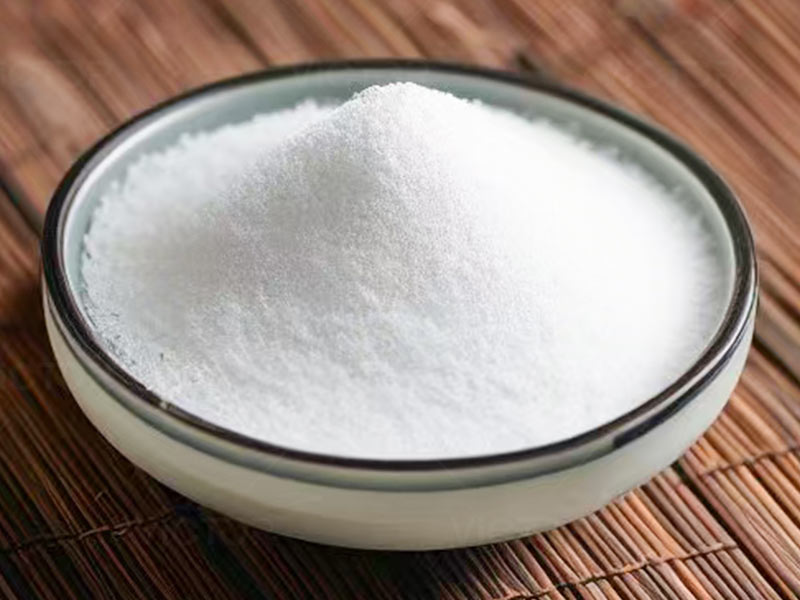
Dried polyaluminium chloride must pass quality testing before leaving the factory. Key testing parameters include Al₂O₃ content (typically 28%–30%), basicity (40%–90%), and water-insoluble matter (drinking water grade <0.1%). Qualified products are packaged in different specifications (25 kg/bag, 50 kg/bag). Some polyaluminium chloride manufacturers also produce granular or powdered products according to specific requirements.
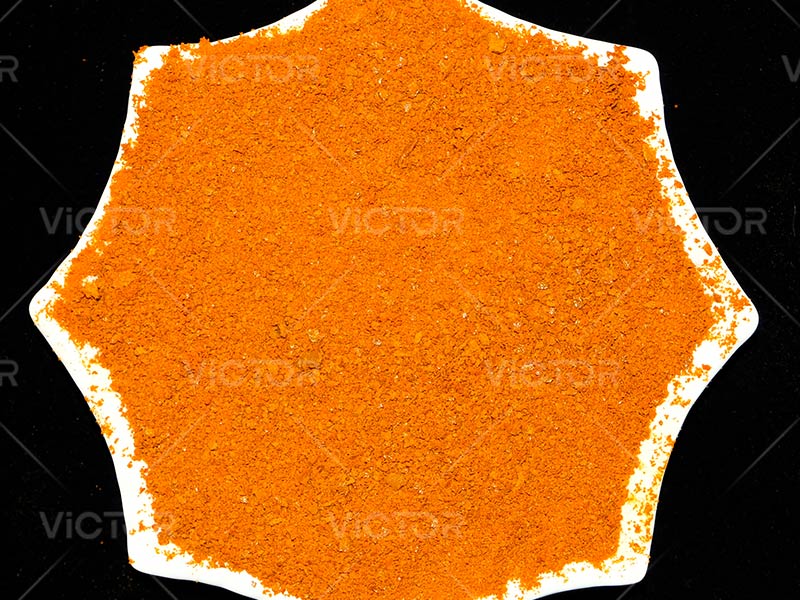
In summary, the production process for polyaluminium chloride may appear complex. However, every step is designed to enhance the purification efficacy of the final product. From the selection of raw materials to the inspection of the finished product, the control of parameters in each production environment directly impacts the final water treatment efficiency.