Poly aluminium chloride (PAC) is a common water treatment chemical. It plays a vital role in the water treatment process. However, to ensure the best possible purification results, the dosage of PAC in water treatment is of critical importance. Today, we will provide a detailed guide on how to determine the appropriate PAC dosage.
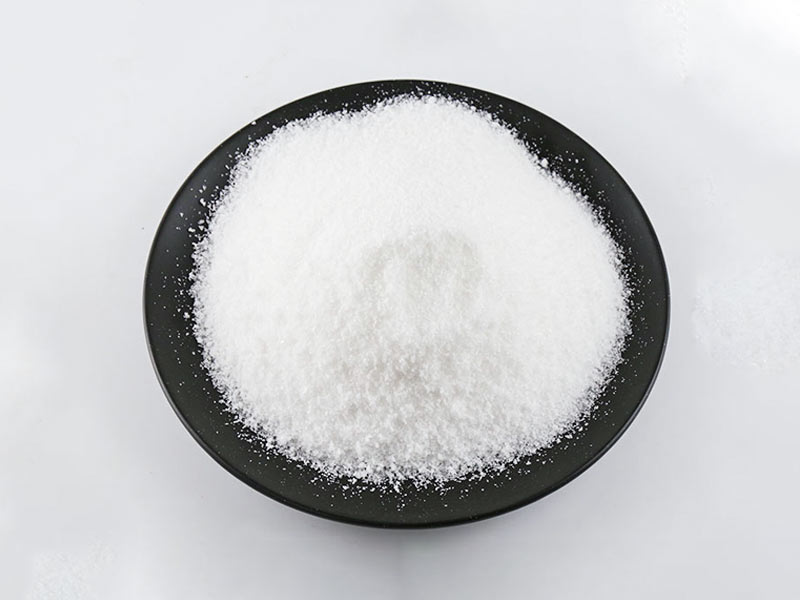
The actual dosage of polyaluminium chloride varies significantly depending on the specific water quality being treated. In the field of industrial wastewater treatment, parameters such as turbidity and suspended solids in the wastewater must be taken into account. If the turbidity of the wastewater is between 100 and 500 mg/L, the dosage of polyaluminium chloride per 1,000 tonnes of wastewater is approximately 10–20 kg. When wastewater turbidity is high, the dosage of the chemical must be increased. Conversely, when turbidity is low, the content of suspended solids in the water is typically low. In such cases, the flocculation effect of conventional polyaluminium chloride products may prove unsatisfactory. Therefore, high-purity white polyaluminium chloride is required. Furthermore, it is necessary to test and adjust the pH to an appropriate range. Sodium hydroxide or lime can be added in combination. This reduces the dosage of polyaluminium chloride whilst achieving the desired water purification effect.
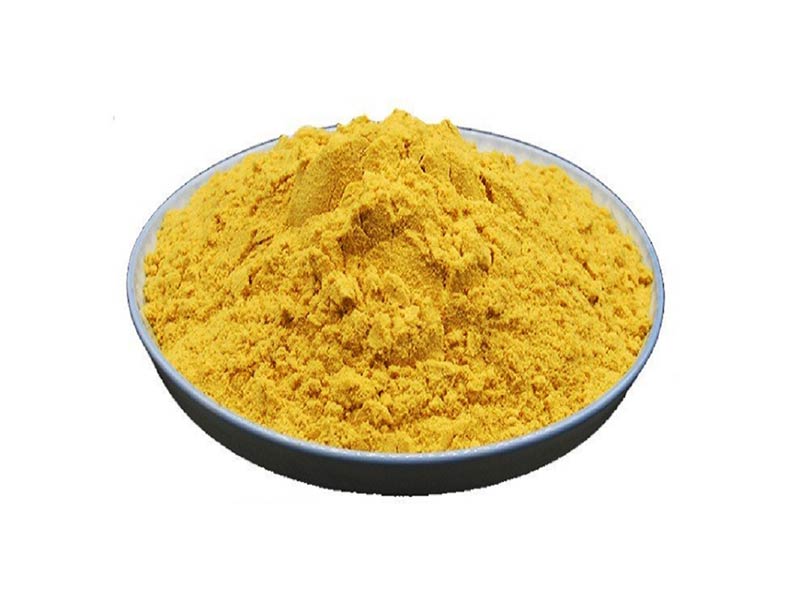
Pilot-scale dissolution test to preliminarily determine the dosage range of polyaluminium chloride
Before using polyaluminium chloride, a pilot-scale test must first be conducted to preliminarily determine the dosage range. The primary objective of the pilot test is to simulate the actual wastewater treatment process. Observe the water purification results at different dosages for the wastewater to determine a preliminary estimate of the optimal dosage.
Preparing the pilot test solution
To facilitate calculations, the pilot test solution is typically prepared on a weight-to-weight basis. A concentration of 1–3% is recommended. For example: Place 2 kg of solid polyaluminium chloride into a clean 200 ml container. Add 50 ml of clean water to dissolve it, then dilute to 100 ml. This can be achieved by shaking the solution gently. However, it is important to note that when the turbidity of the water is low, the dosage required is very small; therefore, the concentration of the solution should be reduced appropriately to improve accuracy.
Pilot test
Take a specific volume of raw water, for example 1000 ml. Conduct a titration using the small-scale test solution. Observe the formation of flocs and precipitation in the water following the addition of the solution. Use this to make a preliminary assessment of the required dosage of polyaluminium chloride. For example: if, after adding 10 ml of the small-scale test solution (1%), distinct flocs and precipitation appear in the raw water, it can be preliminarily estimated that approximately 0.1 g of PAC is required for 1,000 ml of raw water.
Adjusting the dosing ratio during actual operation
Following the completion of pilot-scale testing, the polyaluminium chloride dosing ratio determined from the pilot results must be applied to the actual water treatment system. During actual operation, the dosing ratio must be adjusted based on the weight ratio of solid PAC to fresh water. The recommended ratio is typically between 1:9 and 1:15. If liquid polyaluminium chloride is used, it should be mixed and dissolved at a ratio of 1:2 to 1:5. It is worth noting that the concentration of the PAC solution has a significant impact on the dosing effectiveness. When the aluminium oxide content is below 1%, the solution dissolves easily, leading to a reduction in water purification efficiency. Conversely, if the concentration is too high, it becomes difficult to dose the solution uniformly, which also affects purification efficiency. Therefore, during actual operation, close attention must be paid to changes in solution concentration, and the dosage should be adjusted promptly.
Adjusting Dosage Based on Sedimentation Performance
During the dosing process, the sedimentation performance within the sedimentation tank must be closely monitored. The dosage should be adjusted according to actual conditions. If there are few flocs in the sedimentation tank and residual turbidity is high, this indicates that the dosage is insufficient. Conversely, if the flocs are excessively large and resurface, accompanied by high residual turbidity, this indicates that the dosage is excessive. In such cases, the PAC dosage must be adjusted promptly to achieve optimal purification results.
Conduct multiple trials to determine the optimal polyaluminium chloride dosage
As water quality varies and the performance of PAC changes over time and with environmental conditions, it is recommended to conduct multiple trials to determine the optimal PAC dosage. During these trials, continuously monitor the sedimentation rate and the amount of chemical used to select the optimal dosage. Additionally, the results of these trials should be converted proportionally into the daily chemical consumption per unit of water treated, to facilitate subsequent practical application in water treatment.
In summary, determining the appropriate dosage of polyaluminium chloride requires consideration of multiple factors. The optimal dosage is established through repeated experiments, thereby ensuring the best possible results. In practical application, flexible adjustments must be made based on on-site trial runs to ensure the best possible water purification outcomes.