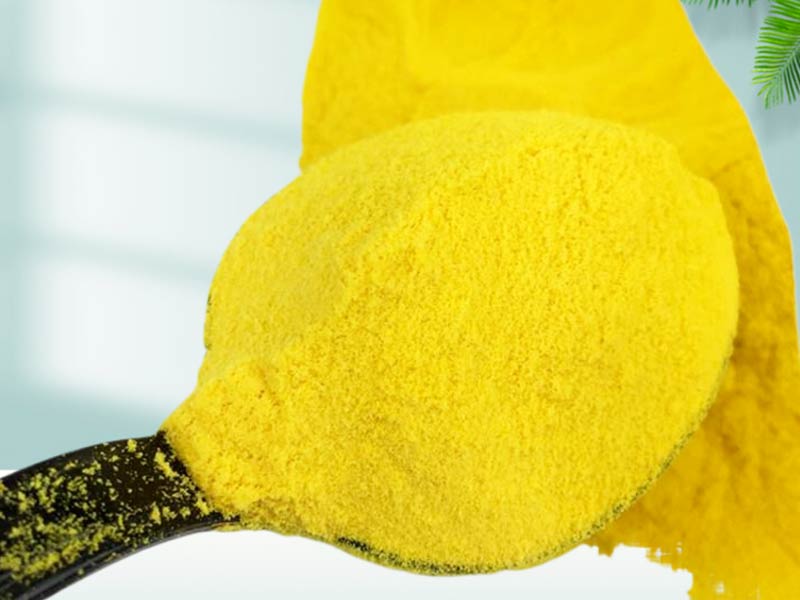
Poly aluminium chloride is a new type of highly efficient, water-soluble inorganic polymer water purification coagulant that is non-toxic and harmless. It works through mechanisms such as adsorption-induced electrostatic neutralisation, adsorption bridging, double-layer compression and entrapment of precipitates. This causes fine suspended particles and colloidal ions in the water to become destabilised, aggregate, flocculate, coagulate and settle, thereby achieving a purifying effect. Poly aluminium chloride is effective in removing bacteria, odours, fluoride, aluminium, chromium, oil, turbidity, heavy metal salts and radioactive contaminants. It has a wide range of applications in the purification of various water sources.
Wastewater Treatment
PAC can be applied to wastewater treatment in numerous sectors, including textile dyeing plants, tanneries, pharmaceutical factories, metallurgical plants, food processing plants, wastewater treatment plants, drinking water treatment plants, breweries, coal washing plants, mineral processing plants and slaughterhouses. It is also effective for treating wastewater containing fluoride, oil and heavy metals, as well as domestic sewage and industrial wastewater.
Sludge Dewatering
When used in conjunction with polyacrylamide, polyaluminium chloride acts as a sludge conditioner. It improves the dewatering properties of municipal and industrial sludge, enhances filter press efficiency, and significantly reduces sludge moisture content.
Oil Extraction
Polyaluminium chloride is a key material used in wastewater treatment during oil extraction. In oil extraction, it is used as an oil displacement agent, water-shutting and adjustment agent, drilling fluid conditioner, and fracturing fluid additive.
Paper Industry
In the paper industry, in addition to its use in sludge and clear water treatment, polyaluminium chloride primarily serves as a neutral rosin sizing precipitant, retention aid and filtration aid. It is also used to control paper-making defects and as a capture agent for anionic impurities.
Textile Printing and Dyeing
Wastewater generated by the textile printing and dyeing industry is characterised by its dark colour, high volume and high levels of organic pollutants. It is one of the more difficult types of industrial wastewater to treat. Polyaluminium chloride is highly suitable for treating this type of wastewater. During the treatment process, it forms dense, large flocs. These settle rapidly,resulting in a significant water-clarifying effect. Furthermore, polyaluminium chloride can also be used to prevent creasing in leather and textiles.
Agriculture
Soil crusting is characterised by high surface density, small pores and low saturated hydraulic conductivity. It hinders the penetration of soil moisture, increases surface runoff and inhibits seed germination. Polyaluminium chloride can also increase soil moisture content, inhibit the formation of soil crusts and promote moisture penetration.
Aquaculture
When used in aquaculture, polyaluminium chloride effectively removes organic matter from the water. When organic matter content in the water is high, a large amount of organic matter is first precipitated using physical and chemical methods. An oxidising bottom sediment conditioner is then added, or EM bacteria and photosynthetic bacteria are utilised. Finally, new algae are introduced to rapidly enhance energy flow and material cycling within the pond.
Other applications
It can be used in the solidification of cement, as well as in the production of fine pharmaceuticals, glycerine and carbohydrates.