


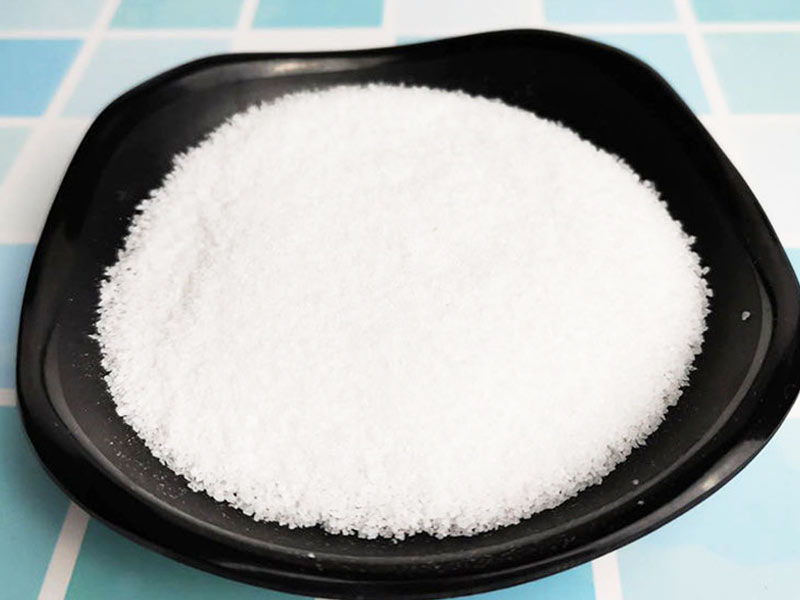
Polyacrylamide is a linear, water-soluble polymer. It is produced by the free radical polymerization of acrylamide monomer. Its chemical formula is usually (C3H5NO)n, where N represents the degree of polymerization, i.e., the number of monomer units in th
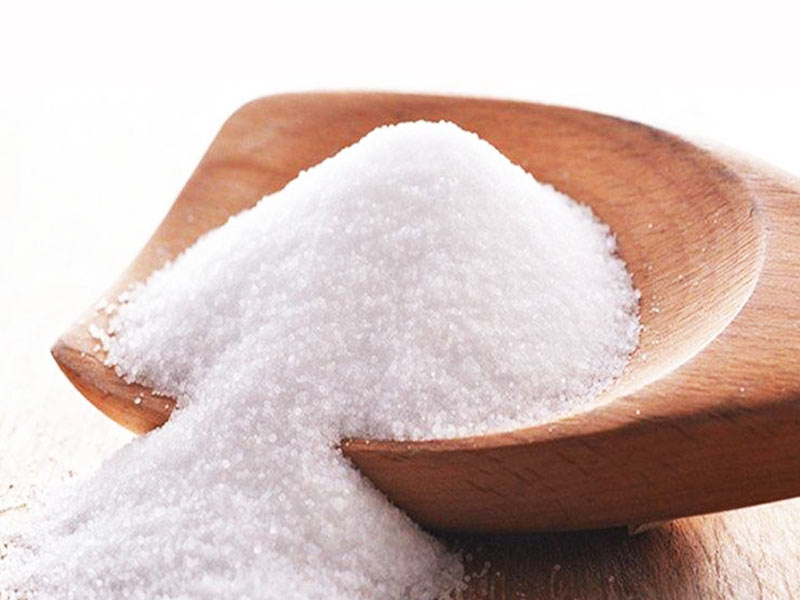
We recognise that polyacrylamide finds extensive application in water purification processes. Moreover, selecting the appropriate grade can significantly reduce operational costs. Despite this, common misconceptions frequently arise during its utilisation
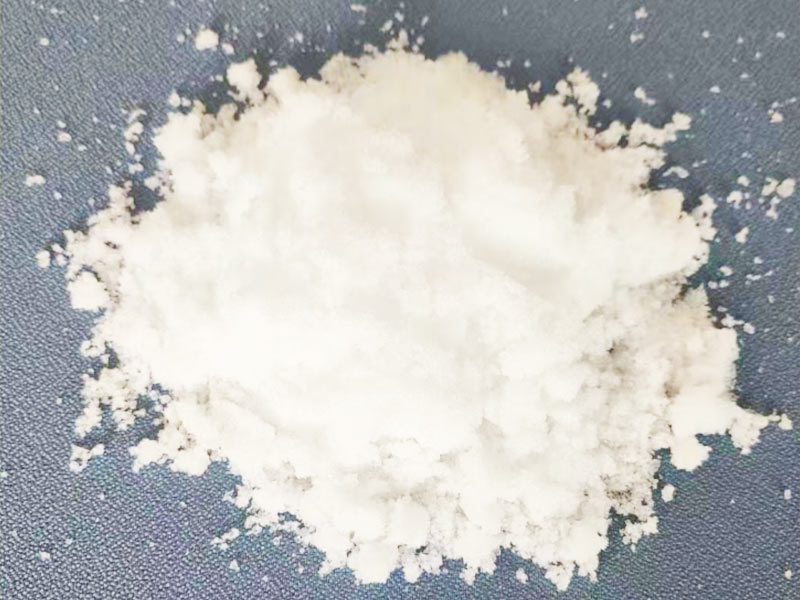
Generally speaking, when employing anionic polyacrylamide as a flocculant, it facilitates the bridging of particles to form larger flocs in wastewater treatment. This occurs particularly in water with neutral or alkaline pH, where suspended particles are
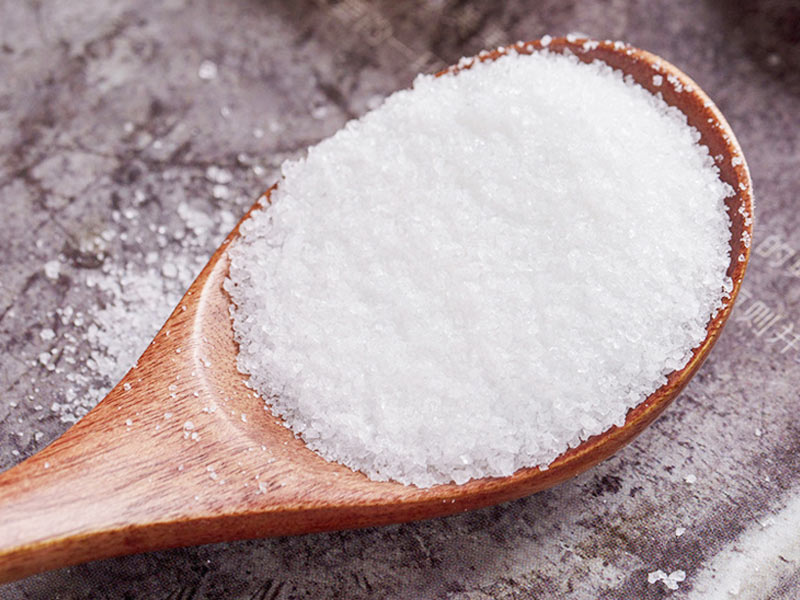
Polyacrylamide, as a widely used and highly effective water treatment chemical, is categorised into anionic, cationic, non-ionic, and amphoteric types. Different grades require varying dosages and application methods. Moreover, usage and dosage also diffe
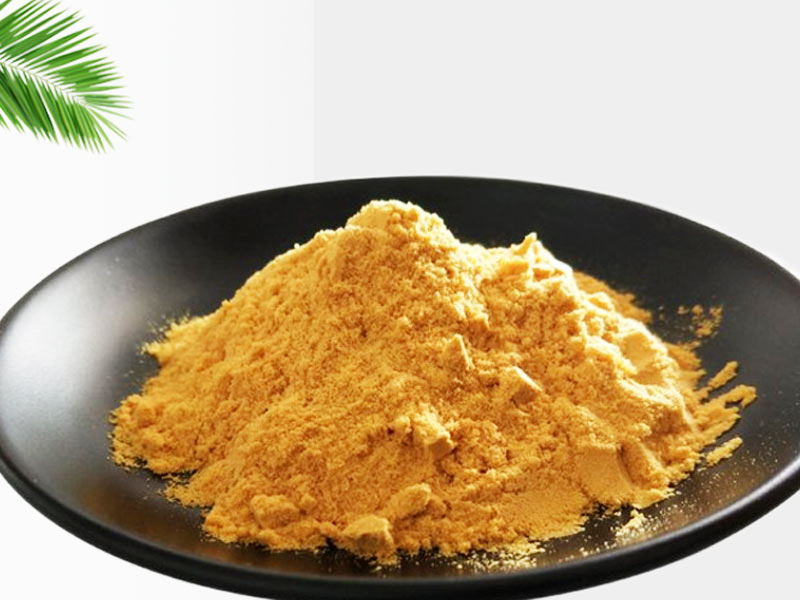
As a high-molecular-weight inorganic coagulant, the efficacy of polyferric sulphate as a flocculant in wastewater treatment is significantly influenced by its quality. Criteria for assessing this quality include iron content, basicity, density, pH value,
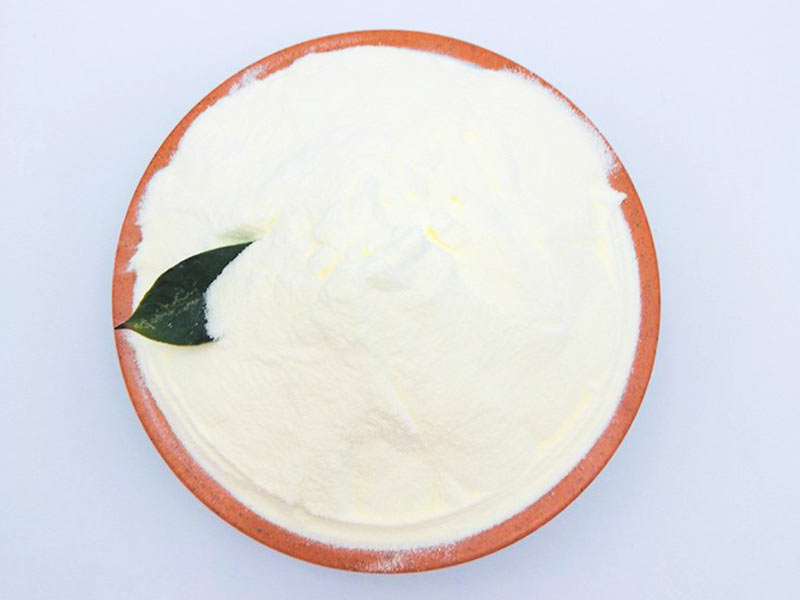
In the realm of polyaluminium chloride, it is widely recognised that white products represent superior quality with higher concentrations. As awareness of its benefits grows, its applications continue to expand. As is well known, white products meet food-
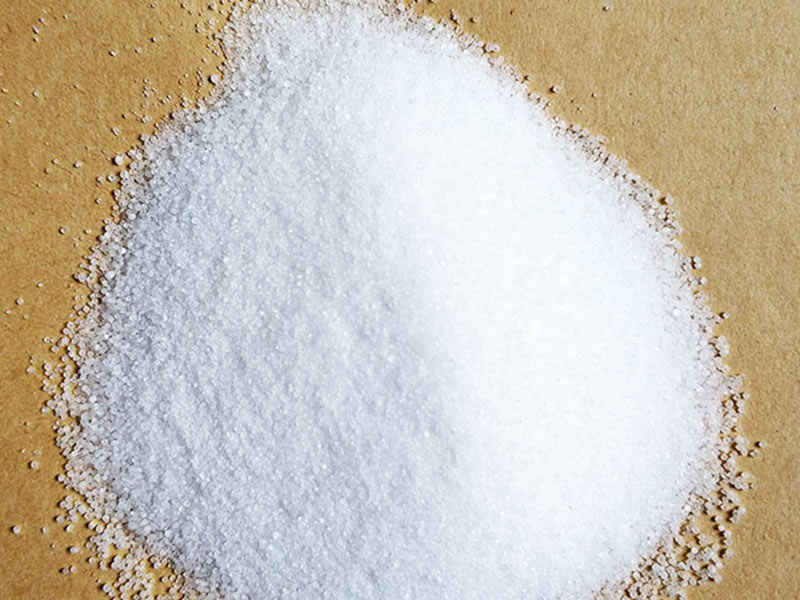
As a water-soluble polymer, cationic polyacrylamide is a water treatment chemical with excellent flocculation properties. It is insoluble in most organic solvents. Analysed by ionic characteristics, polyacrylamide can be categorised as cationic, anionic,
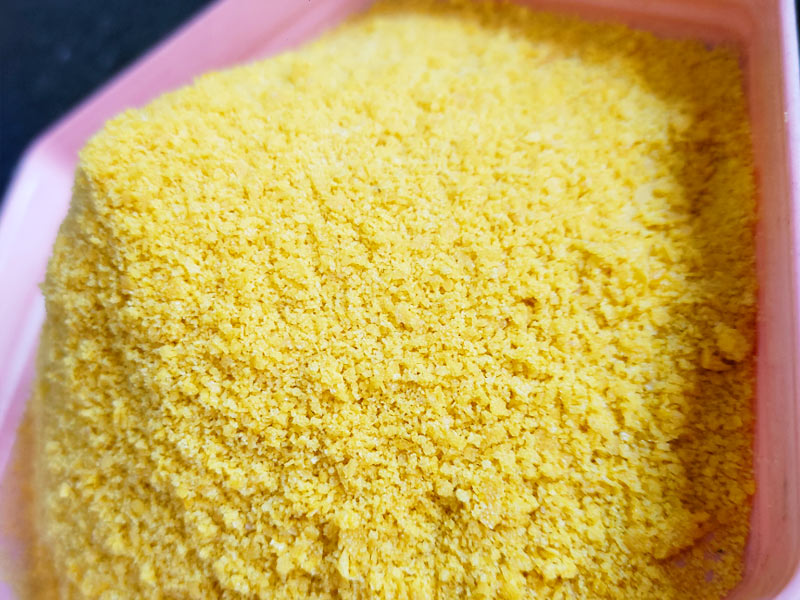
Nowadays, water in most cities undergoes treatment with chemical agents. When using this treated water, one might wonder whether it carries an odour. In truth, if one is sensitive to smells, many waters possess a distinct scent.
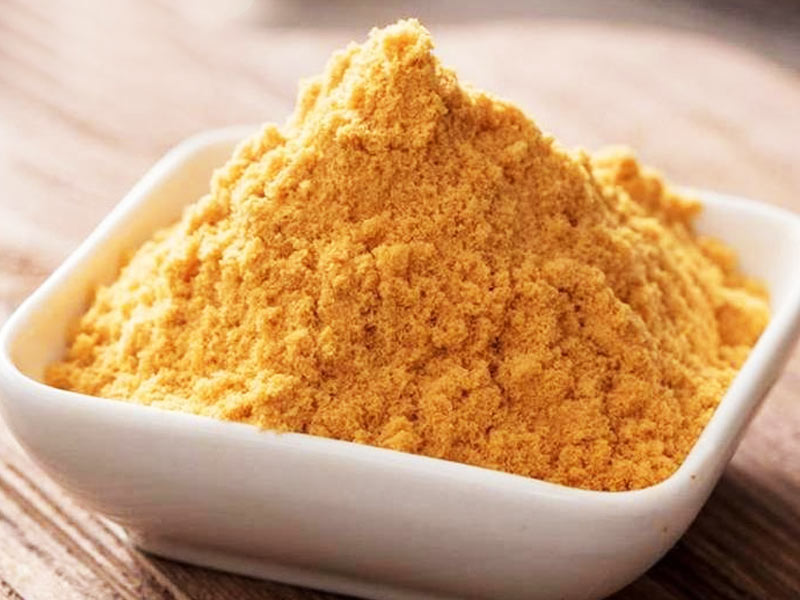
The escalating issue of water pollution has prompted increasing recognition of the importance of wastewater treatment. Various water purification agents have consequently become highly sought after. Polyferric sulphate is one such agent. As a water treatm
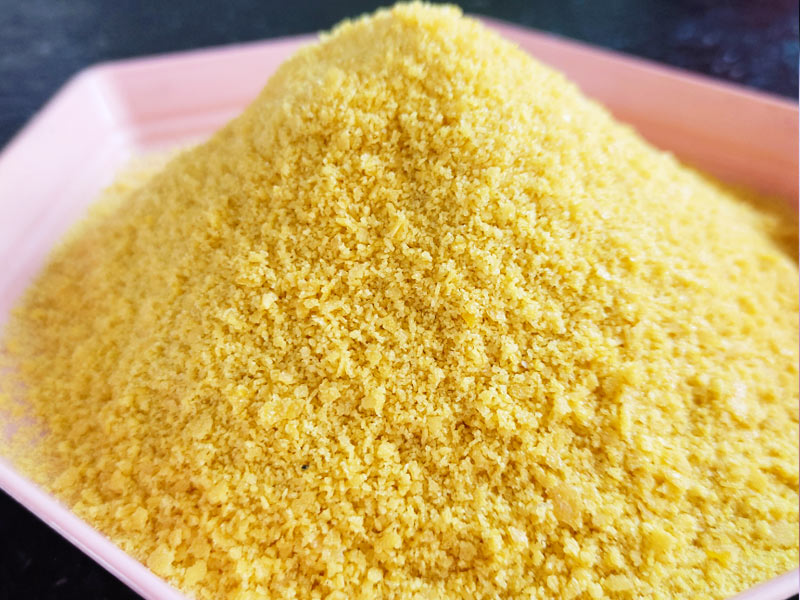
Although polyaluminium chloride serves as an effective water treatment flocculant, its relatively high alumina content and comparatively dry particles render it prone to moisture absorption. Consequently, many express concern regarding its susceptibility
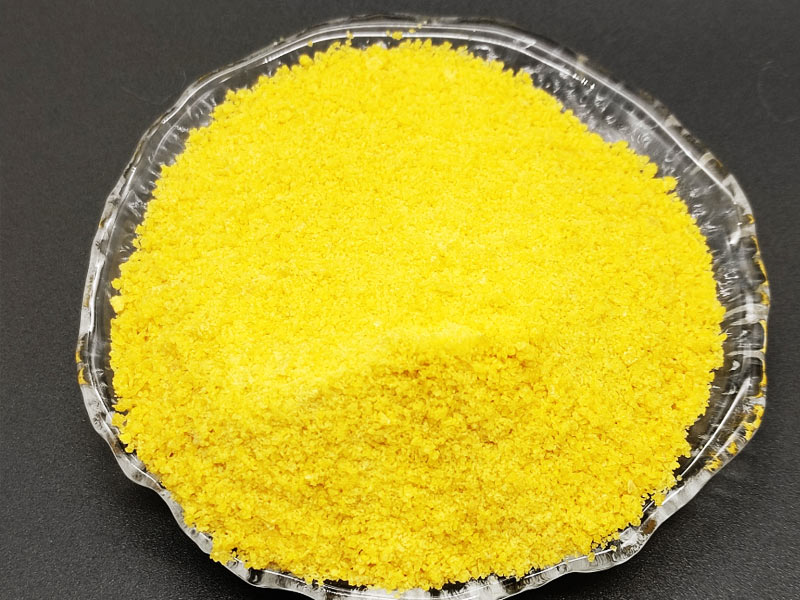
The use of chemical agents to treat wastewater during water treatment has become a widely adopted method. Due to their broad applicability, straightforward processing, and low disposal costs, water purification chemicals remain prevalent in the treatment
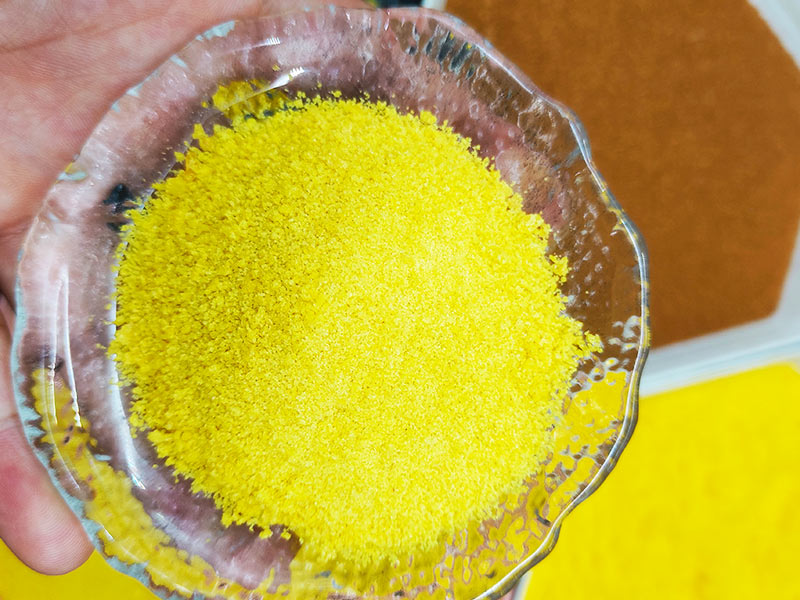
As environmental protection gains greater prominence, demands on water quality have become increasingly stringent. Beyond requirements for wastewater discharge standards, drinking water specifications are subject to even more meticulous scrutiny. Conseque
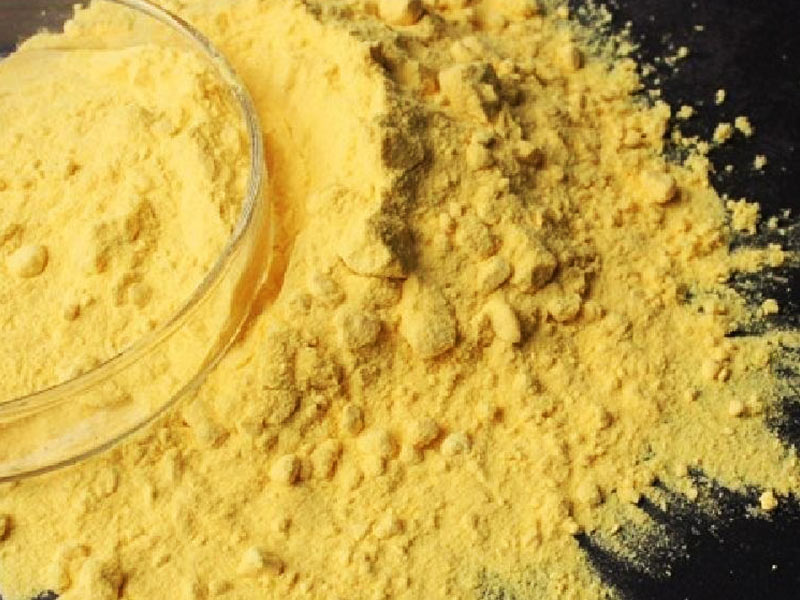
Nowadays, people are paying increasing attention to wastewater treatment. A wide variety of water purification chemicals are being employed in ever-growing numbers. Examples include polyaluminium chloride, polyaluminium ferric chloride, polyacrylamide, an
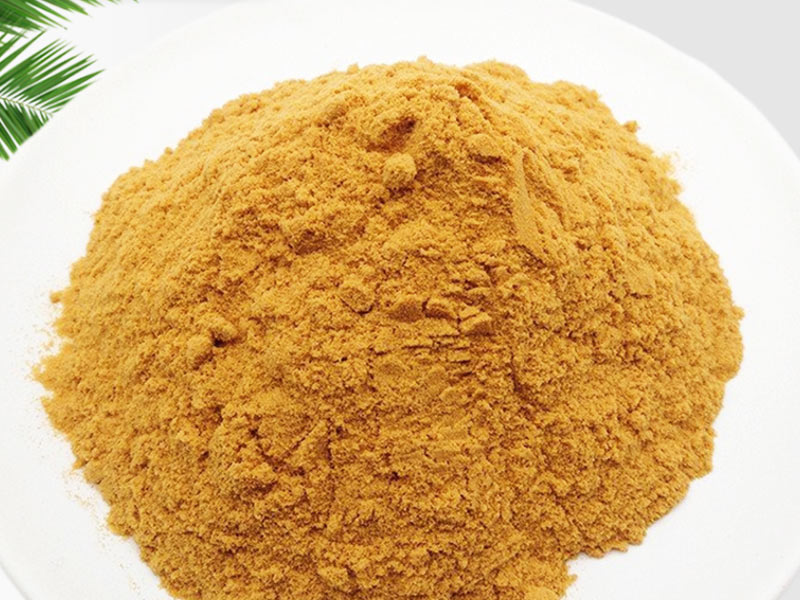
The role of polyferric sulphate in water treatment processes cannot be overlooked. As a water treatment chemical, polyferric sulphate demonstrates unique efficacy in treating specific types of wastewater, such as phosphorus-containing effluents, thereby b
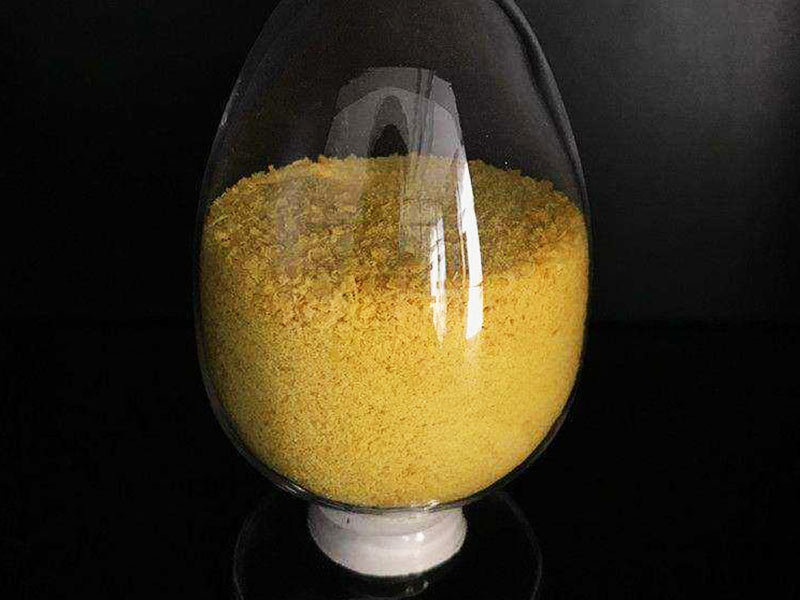
With heightened environmental awareness and the accelerated advancement of national ecological civilisation initiatives, environmental protection has become a priority task. This has fostered a new understanding of environmental conservation among an incr