


我们国家在七十年代就研究出了净水药剂。但是随着我们生活水平的不断提高,最早的净水产品和净水器械已经跟不上市场的需求。由于市场的不断细分,我们的生产工业也在不断的细分,普通的净水产品满足不了处理污水多样化的现状。新型的多样化的净水药剂的产生。
Polyacrylamide is widely employed in numerous sewage treatment plants. However, does polyacrylamide deteriorate when stored for extended periods or exposed to moisture? Many remain unaware of the criteria for determining polyacrylamide degradation.
Societal progress is inseparable from economic development. Our nation's economic advancement began with certain industries and heavy industries. Industry has indeed transformed our lives, accelerating economic growth and driving social progress.
Polyacrylamide is a widely recognised water purification agent. As a type of flocculant, it is categorised into cationic polyacrylamide, anionic polyacrylamide, and non-ionic polyacrylamide based on its manufacturing process. Polyacrylamide constitutes a
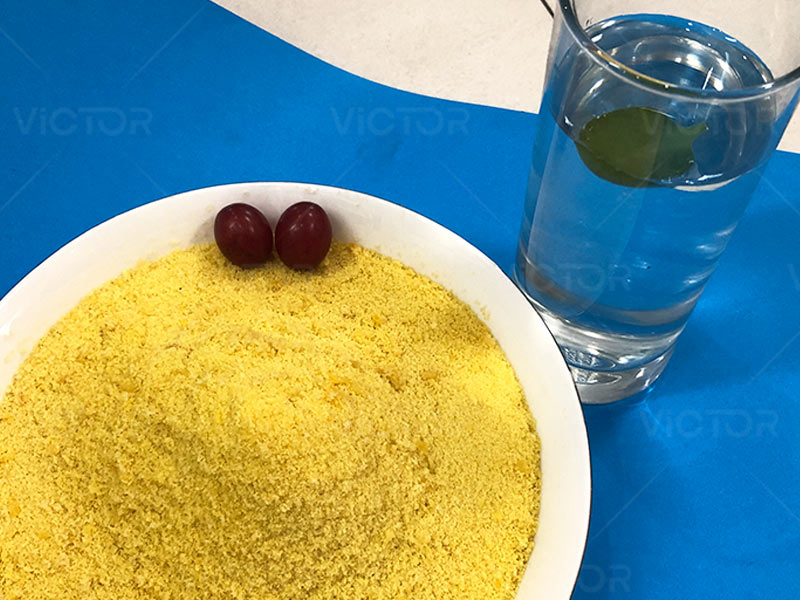
With environmental pollution, humanity's drinking water has been put to the test. Not only has sewage affected vegetation growth, but our freshwater resources have also suffered various impacts. Once, sweet well water was our preferred choice. It could b
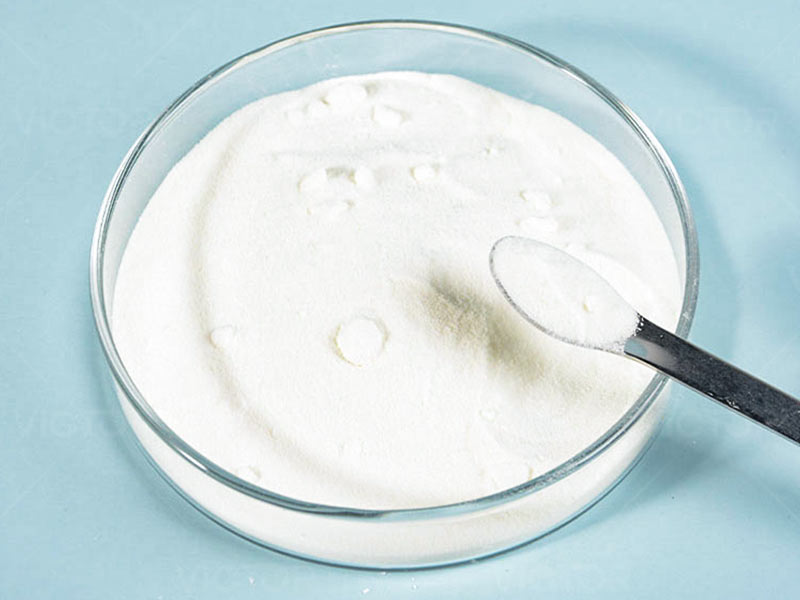
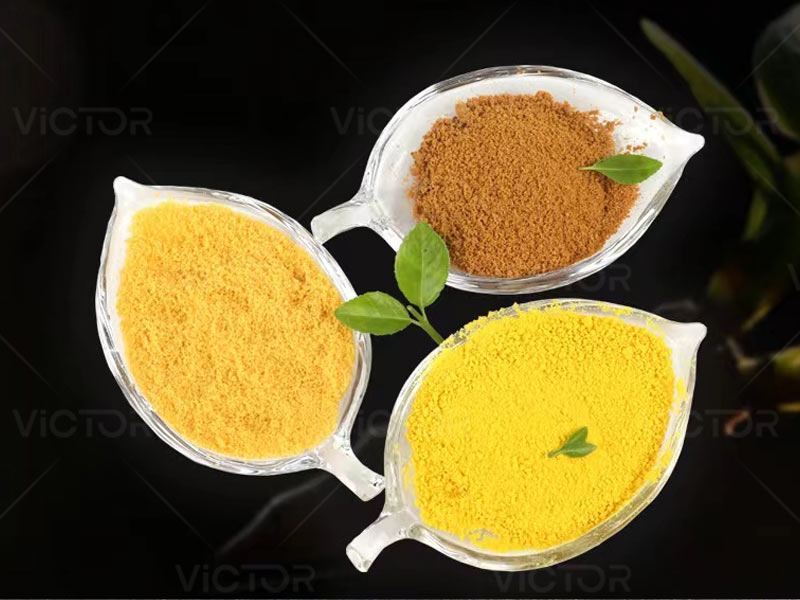
Polyaluminium Chloride is a high-molecular-weight inorganic flocculant manufactured to meet industrial market demand. The hydroxide ions within poly aluminium chloride exert bridging effects during water treatment processes, coupled with multi-stage polym
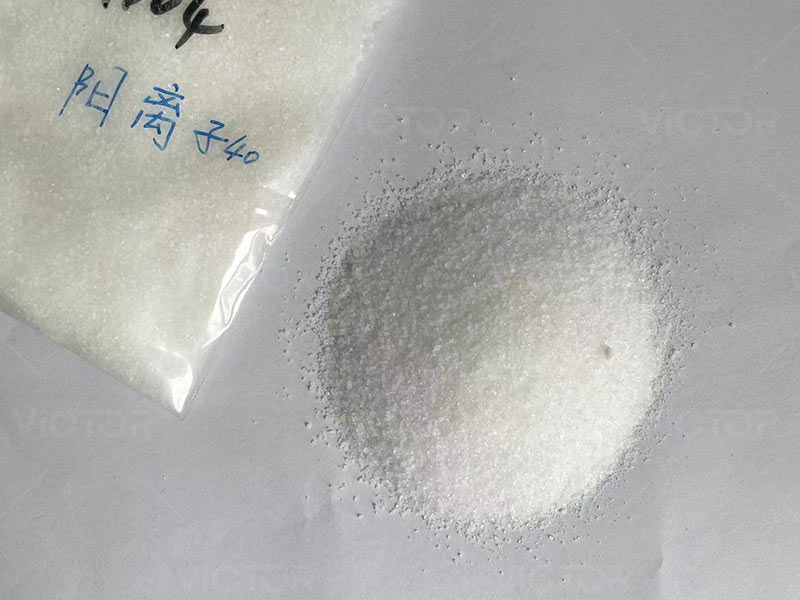
olyacrylamide is an organic polymeric water treatment flocculant, commonly abbreviated as PAM in English. It is categorised into anionic polyacrylamide, cationic polyacrylamide, and non-ionic polyacrylamide. Today, we shall thoroughly examine the cationic
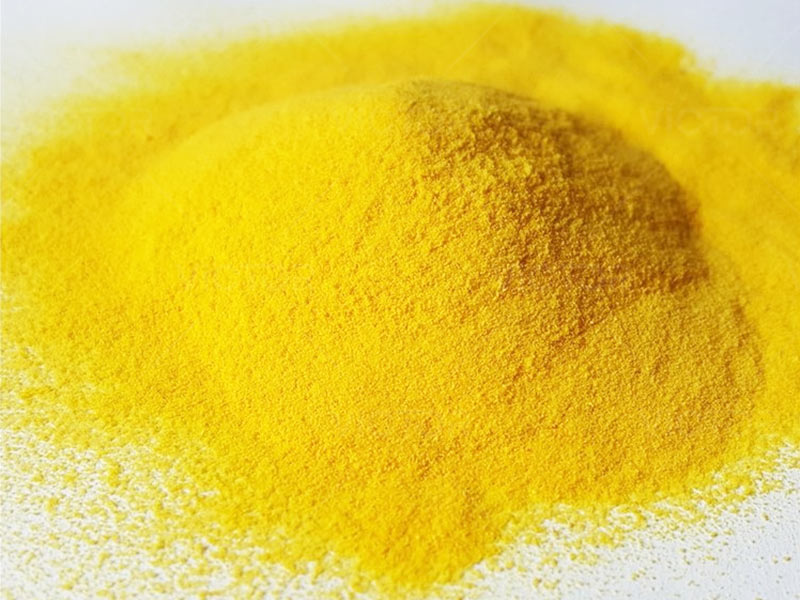
Numerous water purification agents are currently available on the market, including aluminium sulphate, ferrous sulphate, polyacrylamide, and others. Let us now examine a novel water treatment agent: polyaluminium chloride. Developed in recent years, poly
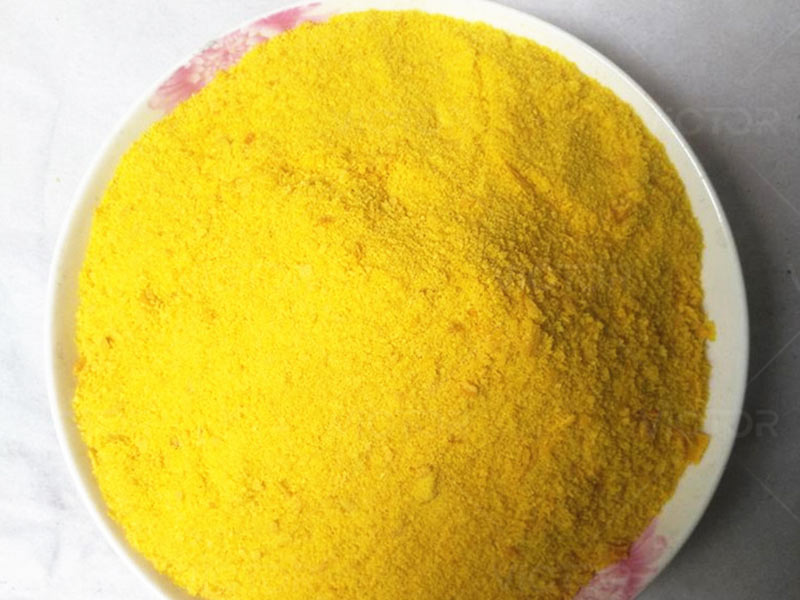
Polymerised aluminium chloride is a type of water purification chemical. It finds application across numerous industries in our daily lives. Examples include the treatment of chemical industrial wastewater and waste liquids, municipal sewage treatment, th
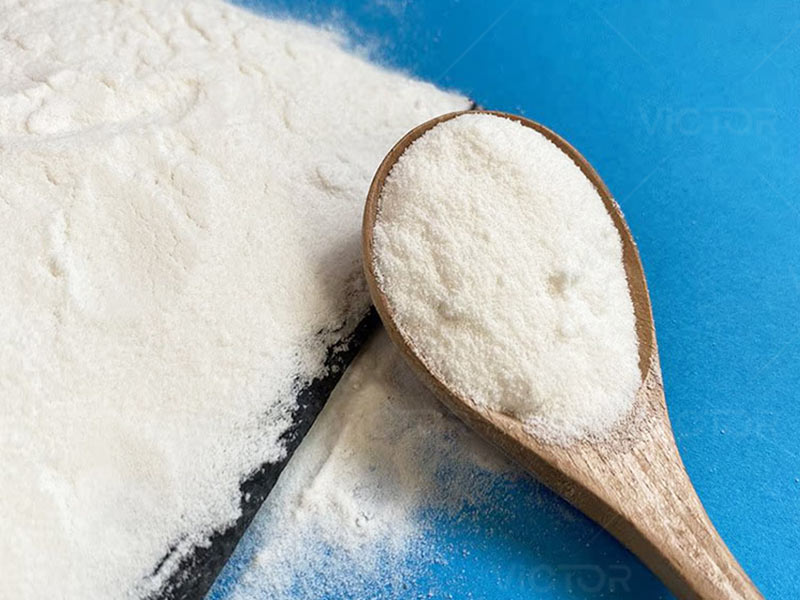
Polyacrylamide was initially employed in tertiary oil recovery. Following simple gravity drainage and water flooding, adding a specific proportion of polyacrylamide to oil wells effectively encapsulates and extracts residual oil from hard-to-reach areas,
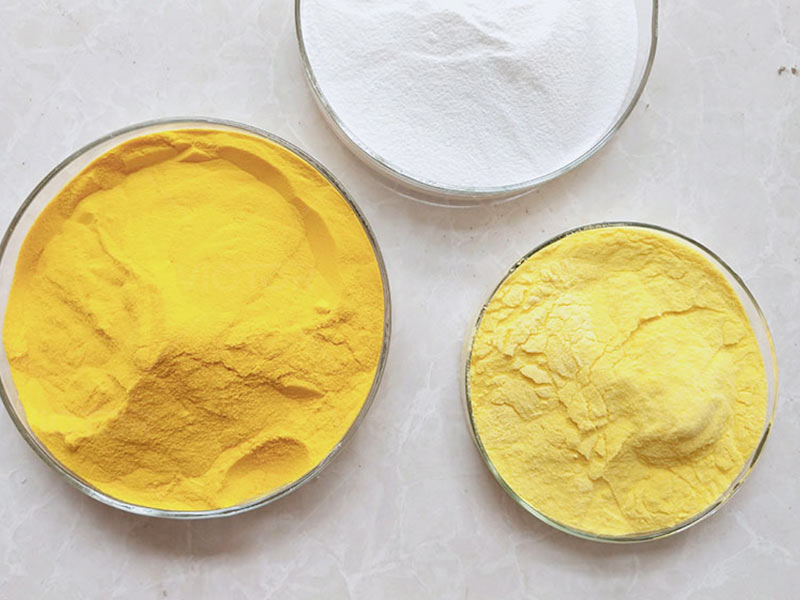
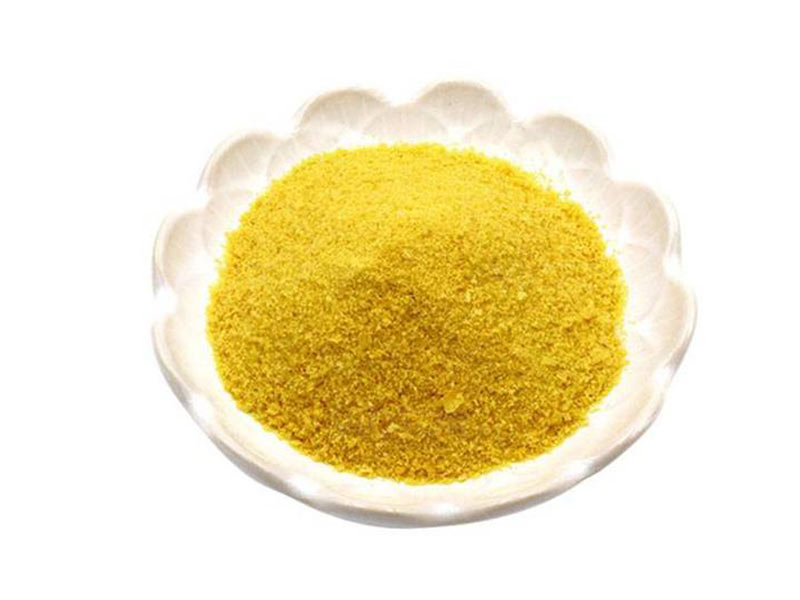
Polymerised aluminium chloride is an inorganic polymeric coagulant. It is known by numerous names in everyday usage, such as composite polymerised aluminium chloride, basic aluminium chloride, coagulant, and water purifier.
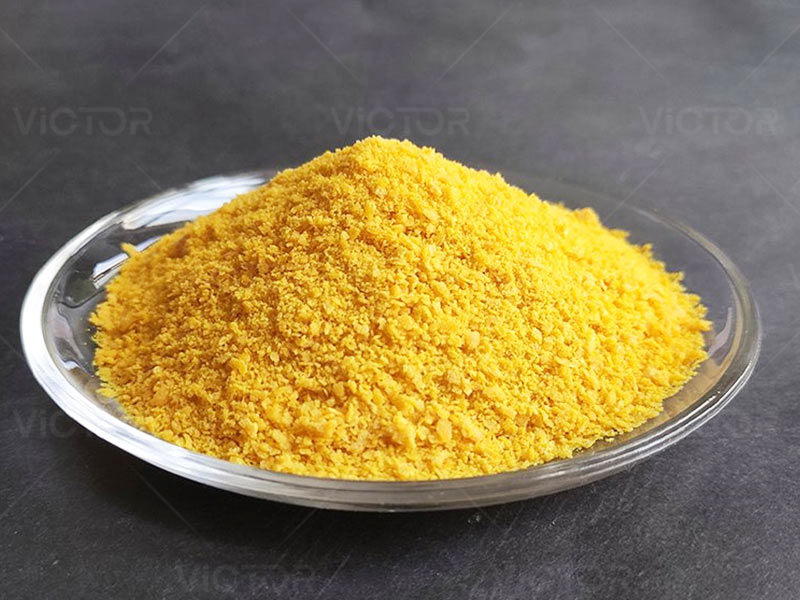
Polyaluminium chloride is a flocculant for sewage treatment that you have researched. It is an inorganic polymeric coagulant for wastewater treatment. Through the bridging action of hydroxide ions within the polymerised aluminium chloride, combined with t
In wastewater treatment, the issue of flocculation and sedimentation is frequently discussed. And whenever this topic arises, polyacrylamide invariably comes up. Put simply, whether it's municipal sewage treatment or industrial wastewater purification, t
The human body contains approximately seventy percent water. Each individual requires a minimum daily intake of two thousand five hundred millilitres of water; failure to meet this requirement will result in various physiological complications. The vital
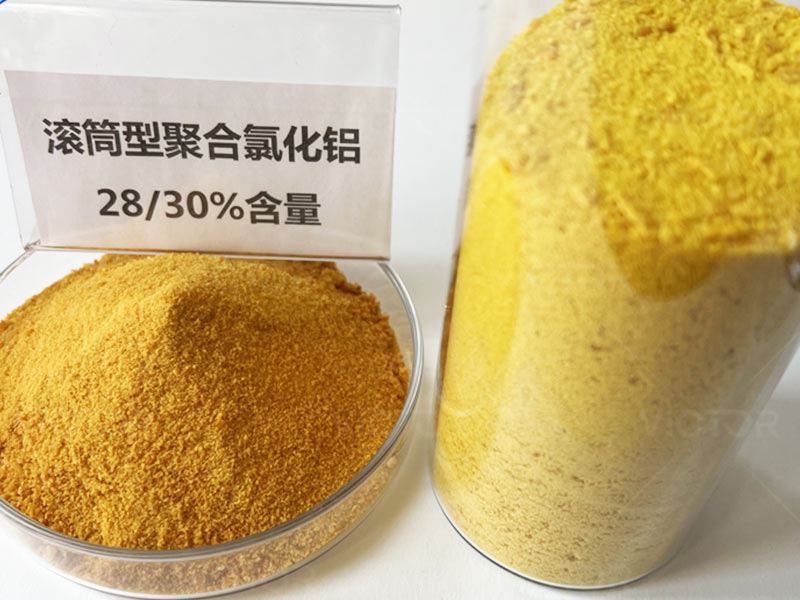
Firstly, the raw water quality is crucial. Generally, prior to adding polyaluminium chloride products, experiments should be conducted based on varying water qualities to determine the optimal dosage. Typically, a concentration of 2–5% is recommended for