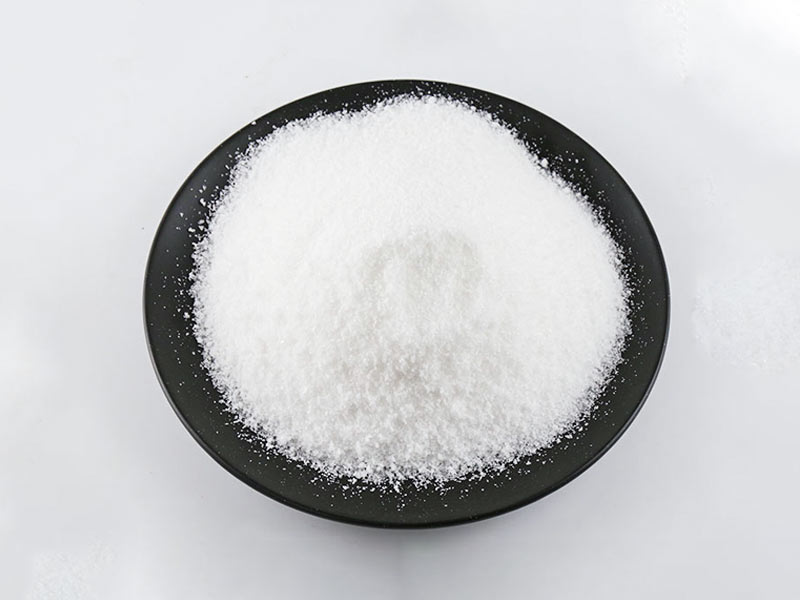
Poly aluminium chloride is a highly effective, water-soluble inorganic polymer water treatment agent. It is not classified as a hazardous substance. When used in accordance with regulations, it is generally harmless to humans. However, potential hazards may arise under specific conditions. The safety of poly aluminium chloride is highly dependent on the method of use, route of exposure, dosage, product purity and compliance with relevant standards.
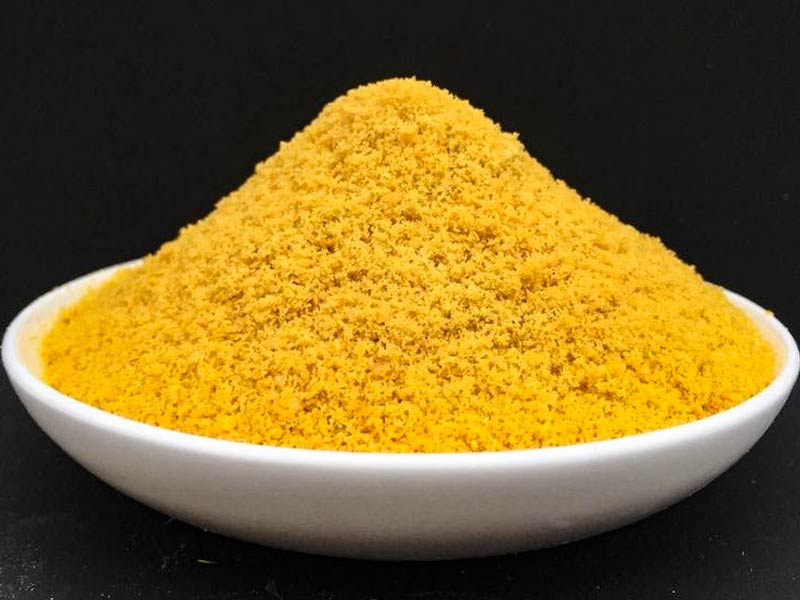
Properties and Applications of Polyaluminium Chloride
- High Safety: Polyaluminium chloride is the most widely used coagulant for wastewater treatment and water treatment globally. The core function of PAC is to aggregate suspended particles, colloids and some soluble pollutants in water into large flocs that settle out, thereby purifying the water quality.
- Control of Residual Aluminium in Polyaluminium Chloride: Trace amounts of aluminium remain in treated wastewater. The World Health Organisation and national drinking water standards impose strict limits on aluminium content. Drinking water treatment plants that comply with national standards, when PAC is dosed in accordance with regulations and followed by effective sedimentation and filtration, ensure that the residual aluminium content in the treated water is well below safety limits.
- Aluminium and Health: Long-term aluminium intake may indeed pose health risks. For example: bone diseases, particularly in individuals with renal insufficiency. In reality, the key factor is ‘excessive intake’. The trace amounts of aluminium remaining in drinking water, when combined with normal intake from other sources such as food, are typically far below the provisional tolerable daily intake recommended by the WHO. The safe use of polyaluminium chloride is assured when used in accordance with regulations.
Hazards of direct contact with polyaluminium chloride
Poly aluminium chloride (CAS No. 1327-41-9) is classified as a corrosive substance (pH 3–5). Direct contact during use may cause skin burns, whilst inhalation of dust may irritate the respiratory tract. It is essential to wear protective gloves, safety goggles and a dust mask during use.
- 1. Corrosiveness and Irritation: Liquid poly aluminium chloride is acidic. At higher concentrations, the pH is typically around 3–5. It is corrosive and irritant.
- Skin Contact: Direct skin contact may cause pain, irritation and redness; prolonged exposure to high concentrations may result in chemical burns.
- Eye Contact: Extremely dangerous! Even a small amount can cause severe redness, swelling, irritation and pain. It may even lead to corneal damage and vision impairment. Therefore, the eyes must be flushed immediately with plenty of clean water and medical attention sought.
- Inhalation: Inhalation of PAC dust may irritate the respiratory tract, causing coughing and a sore throat. Inhalation of high concentrations in a confined space may result in more serious harm.
- 2.These hazards relate to physical and chemical irritation and corrosion. Protective gloves, goggles, masks and protective clothing must be worn during handling.
Hazards of accidental ingestion of polyaluminium chloride
- Significant acute hazards: Accidental ingestion of polyaluminium chloride powder or high-concentration PAC liquid is extremely dangerous!
- The acidity of polyaluminium chloride can cause severe chemical burns to the mucous membranes of the digestive tract, including the mouth, oesophagus and stomach. In severe cases, this can lead to intense pain, nausea, vomiting and diarrhoea, and may even result in perforation of the digestive tract, haemorrhage and shock, which can be life-threatening.
- Ingestion constitutes an acute corrosive injury and represents the primary acute health risk.
- Long-term chronic exposure: Prolonged, low-dose intake may lead to the accumulation of aluminium in the body, thereby posing potential health risks (to the nervous system, bones, etc.). However, this is highly unlikely to occur when water treatment agents are used in accordance with regulations.
The purity and grade of polyaluminium chloride are of paramount importance
- Drinking water grade: Must comply with mandatory national standards (e.g. China’s GB 15892-2020 ‘Polyaluminium Chloride for Drinking Water’). These standards strictly limit the content of harmful impurities such as heavy metals (e.g. lead, arsenic, mercury, cadmium) and insoluble matter. Clearly, the use of products conforming to this standard is a prerequisite for safety.
- Industrial wastewater grade: Polyaluminium chloride may contain higher concentrations of harmful impurities (such as heavy metals). However, it must never be used for drinking water treatment. When used for wastewater treatment, the final effluent must also meet discharge standards to prevent secondary pollution.