


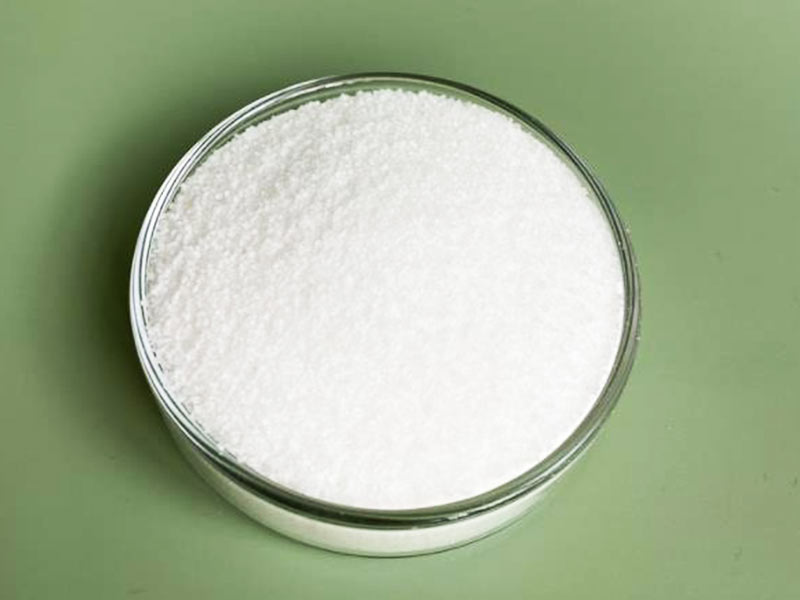
In wastewater treatment, both polyaluminium chloride and polyacrylamide serve as effective water purification agents. Many practitioners routinely employ these two products in tandem during the treatment process. What advantages does this combination offe
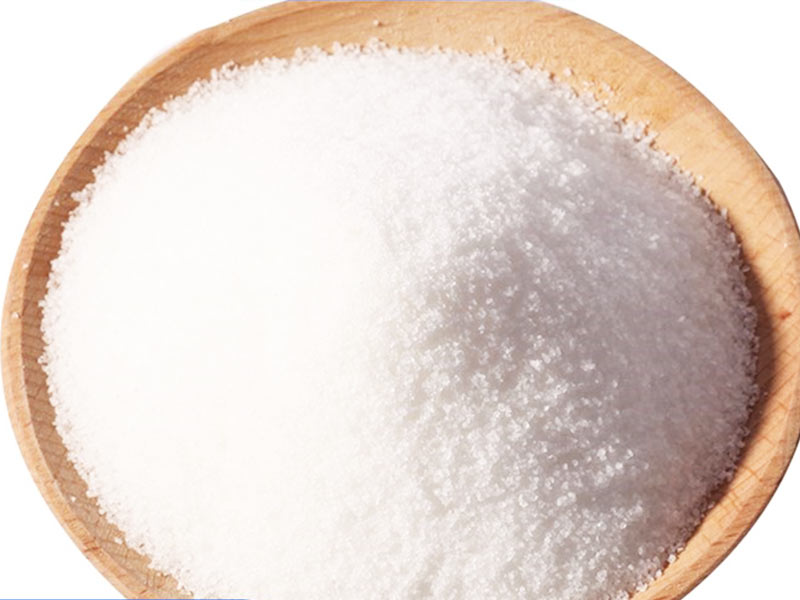
Polyacrylamide serves as a water treatment chemical that delivers effective purification with minimal dosage. Numerous enterprises opt for polyacrylamide products during wastewater treatment processes. However, its production typically employs either the
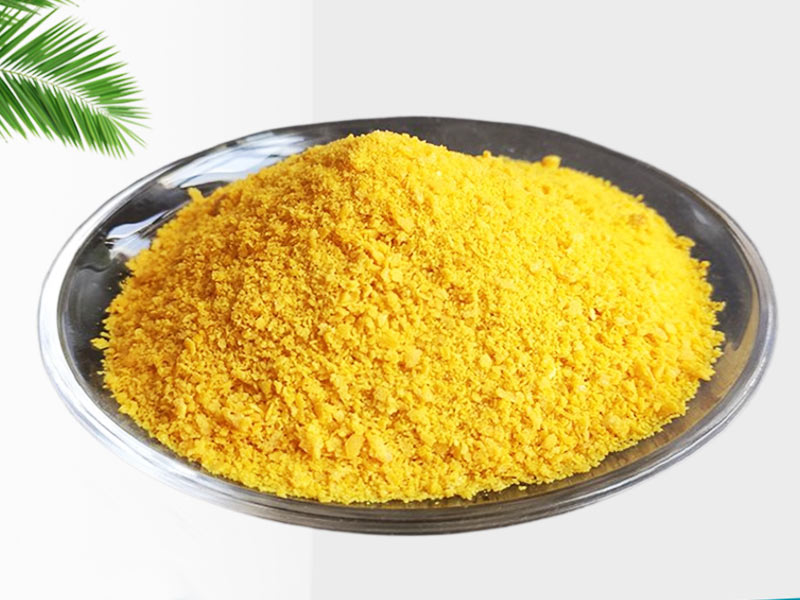
During the use of polyaluminium chloride products, we observe that different concentrations exhibit distinct colour variations in appearance. Consequently, when determining the concentration of polyaluminium chloride products, visual colour assessment ser
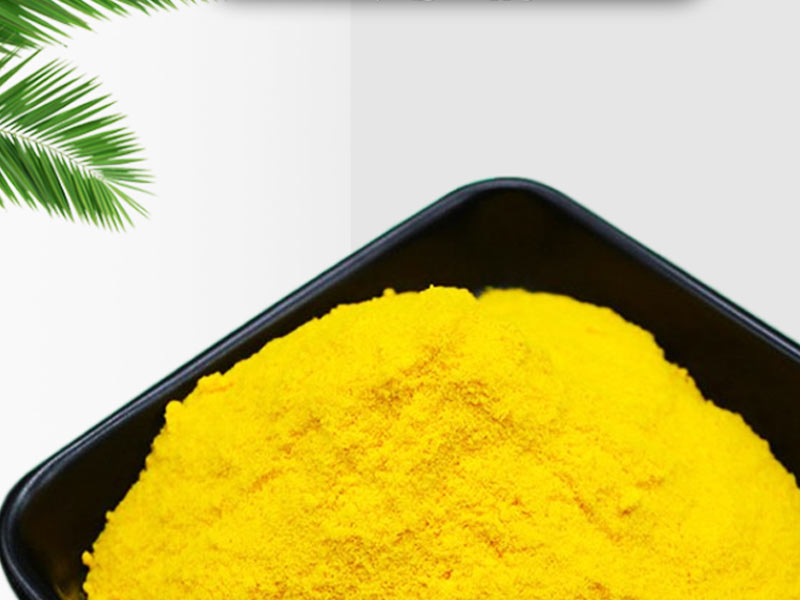
Throughout the water treatment process, we have all experienced the benefits of polyaluminium chloride in wastewater treatment. However, many encounter issues such as clumping and slow dissolution during use. Today, we shall discuss how to resolve these p
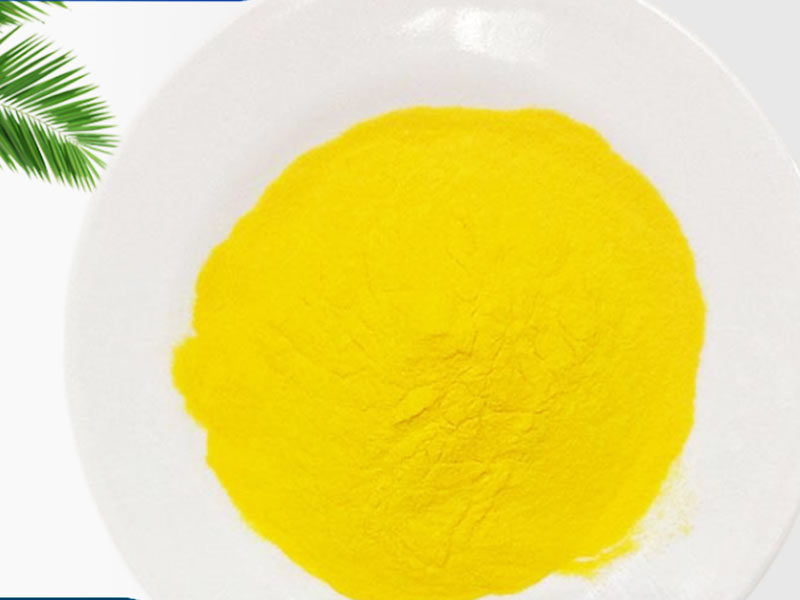
During wastewater treatment, both polyaluminium chloride and polyaluminium ferric chloride serve as water purification agents. However, their respective applications in sewage treatment differ. How then can we distinguish between polyaluminium chloride an
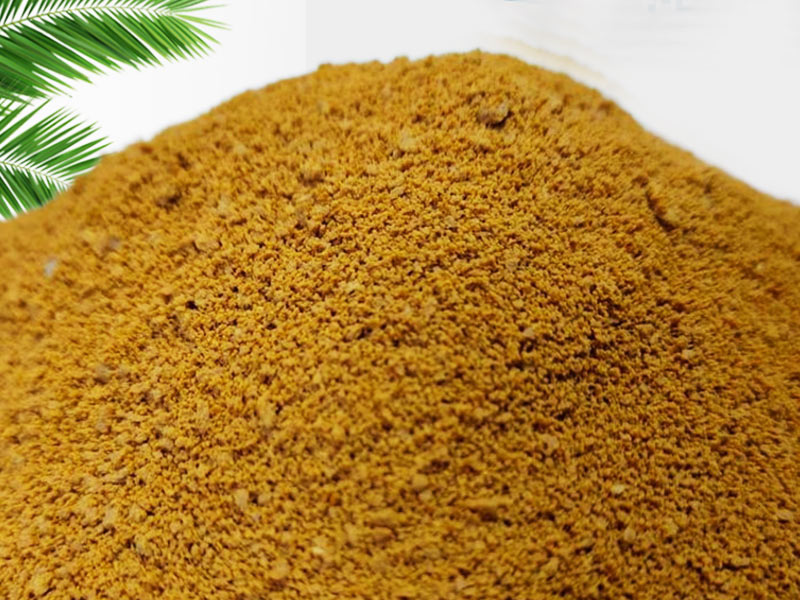
As a highly effective water treatment chemical, polyaluminium chloride can treat a wide range of industrial effluents. These include dyeing wastewater, leather processing effluent, fluoride-containing waste water, heavy metal-laden effluent, oily wastewat
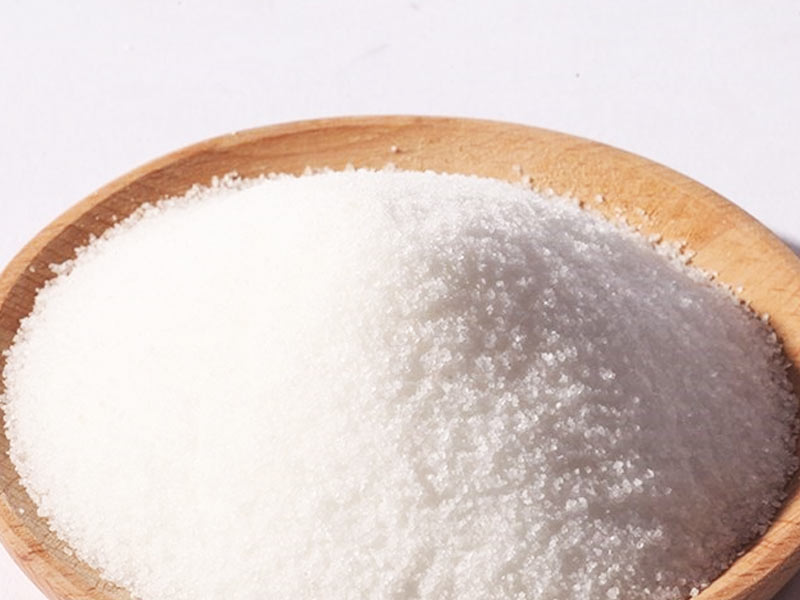
With increasing public awareness of water pollution, the treatment of contaminated water has become ever more critical. As a high-molecular-weight organic flocculant, polyacrylamide finds extensive application in the water treatment industry, demonstratin
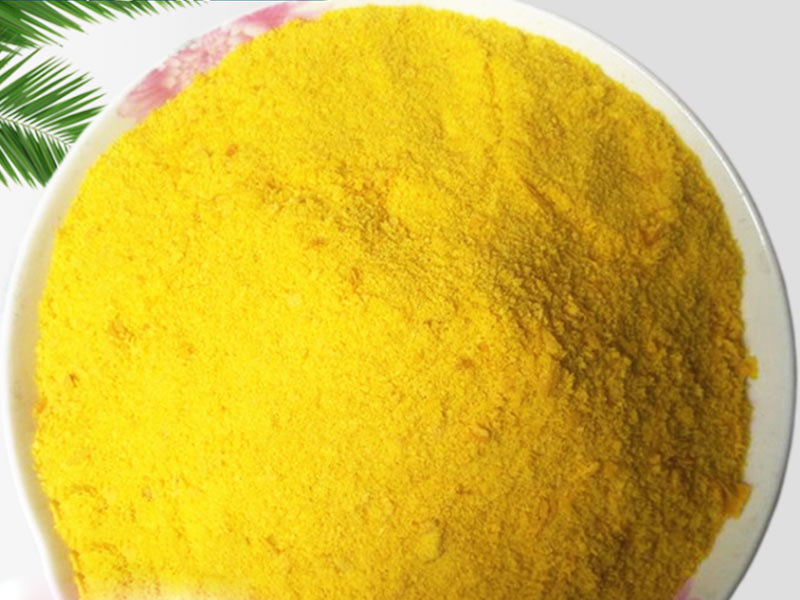
With the continuous rise in environmental awareness, the treatment of water pollution has gained increasing attention. In the process of water pollution treatment, the excellent water treatment efficacy of polyaluminium chloride has attracted growing reco
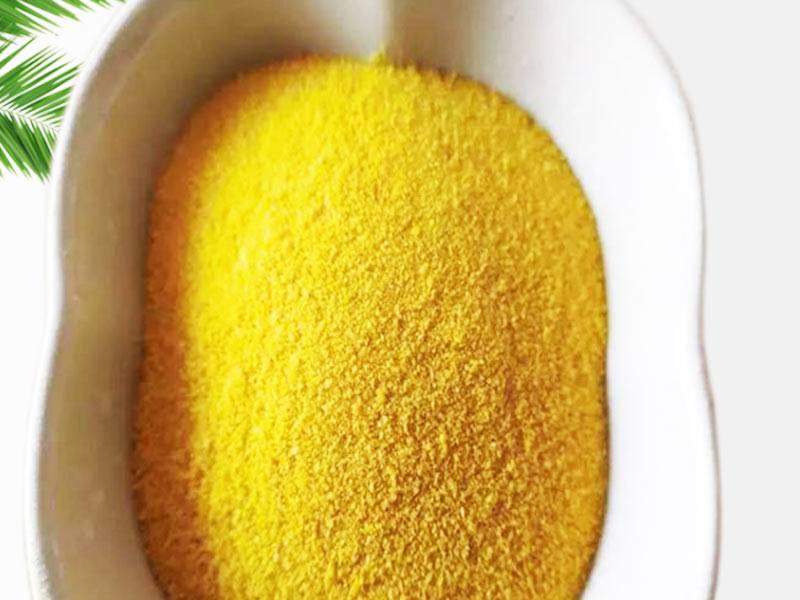
When dosing polyaluminium chloride, many operators utilise specialised dosing equipment for this purpose. Why choose dosing equipment specifically for polyaluminium chloride?
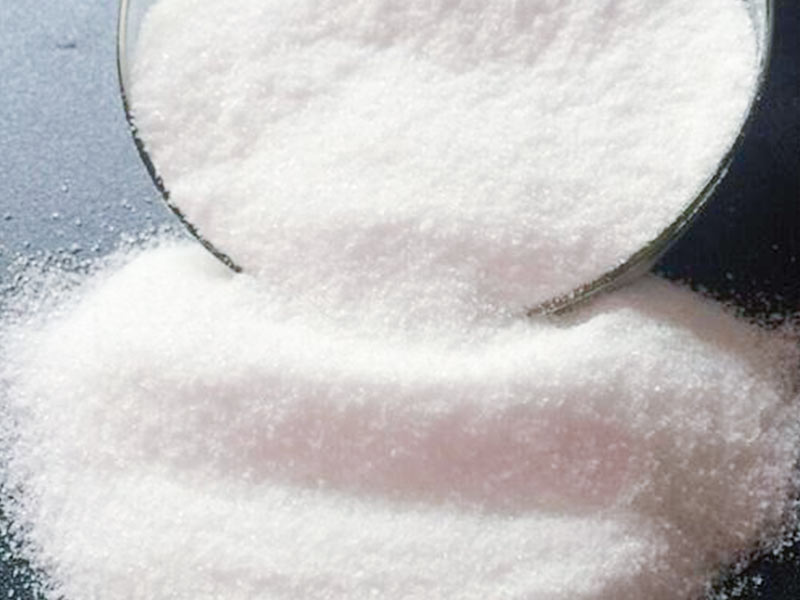
In the process of wastewater treatment, two types of water purification agents are commonly employed: polyaluminium chloride and polyacrylamide. Although both serve as water purification agents, their applications differ. Today, we shall briefly examine t
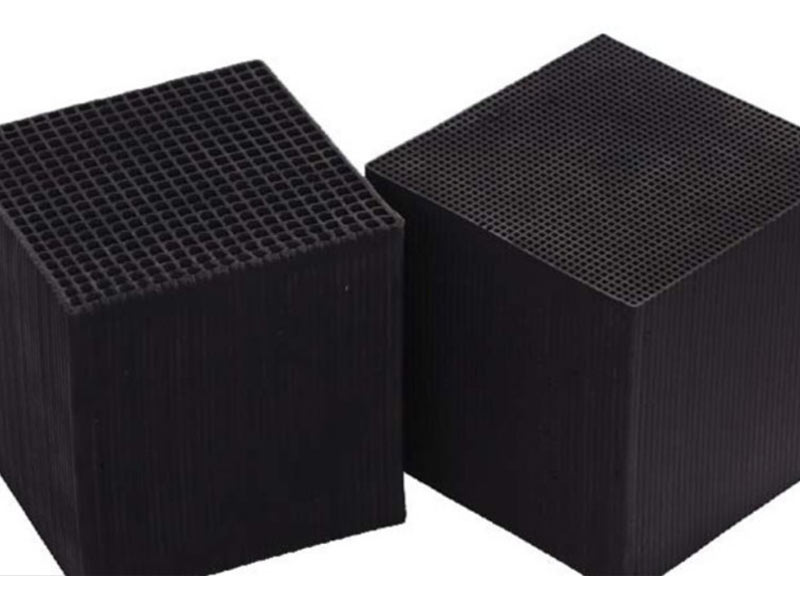
Activated carbon is also a frequently employed adsorbent material in wastewater treatment processes. However, when adsorbing impurities from wastewater, activated carbon is susceptible to various influencing factors. What aspects impact the adsorption eff
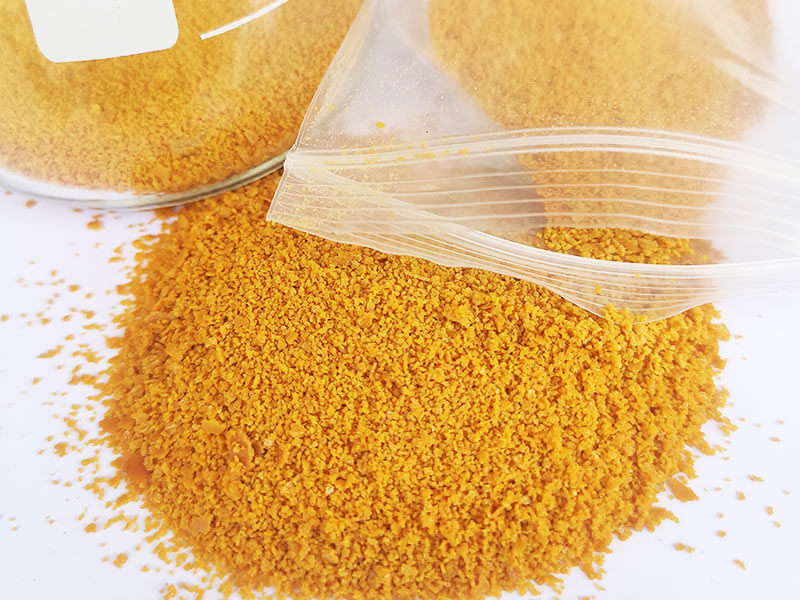
Winters in the north can be quite severe. The efficacy of the water purification agent polyaluminium chloride is also affected by temperature. So what precautions should be taken when using polyaluminium chloride during cold winters? And how should it be
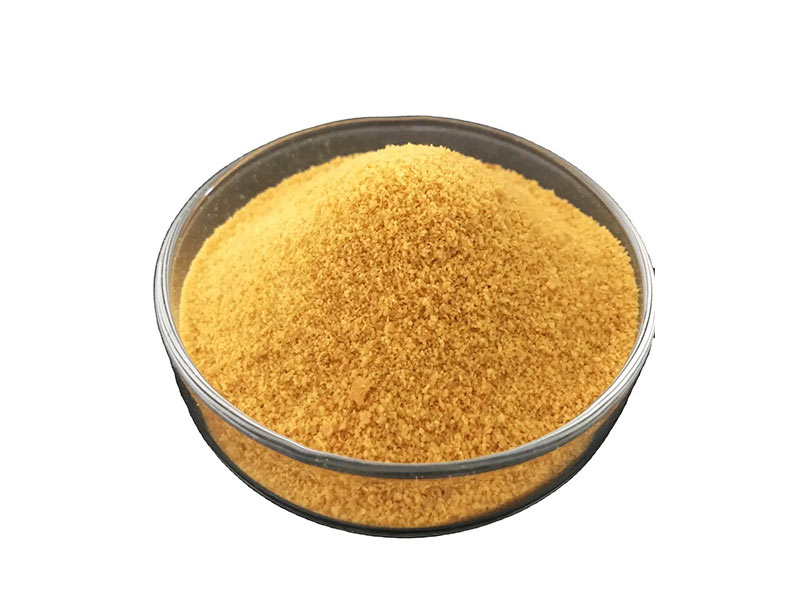
In water treatment processes, polyaluminium chloride serves as a widely employed chemical agent for sewage treatment, delivering highly effective results. However, numerous factors can influence treatment efficacy during this process, with pH being one su
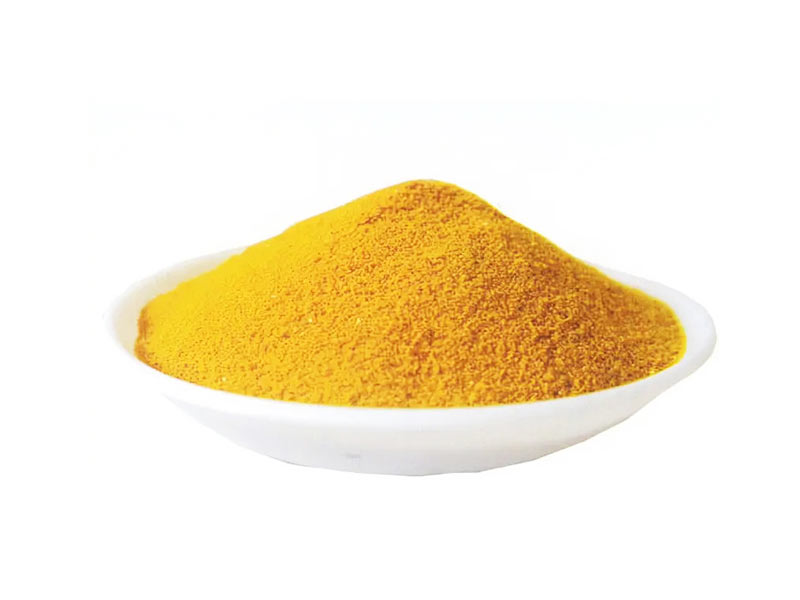
With the advancement of the times, people are placing increasing emphasis on environmental protection. Consequently, polyaluminium chloride products have entered our field of vision and daily lives. Polyaluminium chloride is a type of water purification c
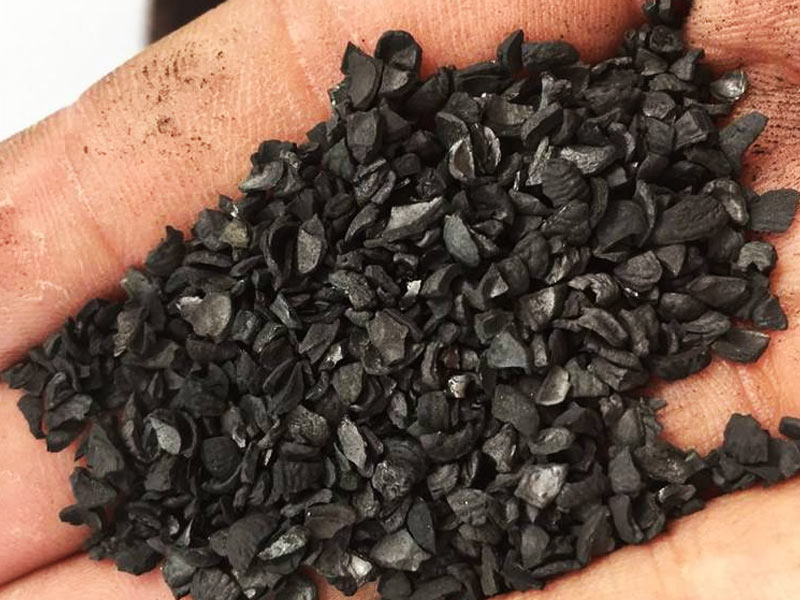
For many people, activated carbon is the go-to choice when treating water quality or purifying air. However, activated carbon varies in quality. So how should we select it during use?