In the field of water treatment, the use of water treatment chemicals is a key factor in ensuring water safety and environmental sustainability. The two most commonly used water treatment chemicals are polyaluminium chloride and
polyacrylamide. They play a vital role in effectively removing suspended solids, organic matter and heavy metal ions from wastewater. Today, we will focus on polyacrylamide (PAM).
Introduction to Polyacrylamide
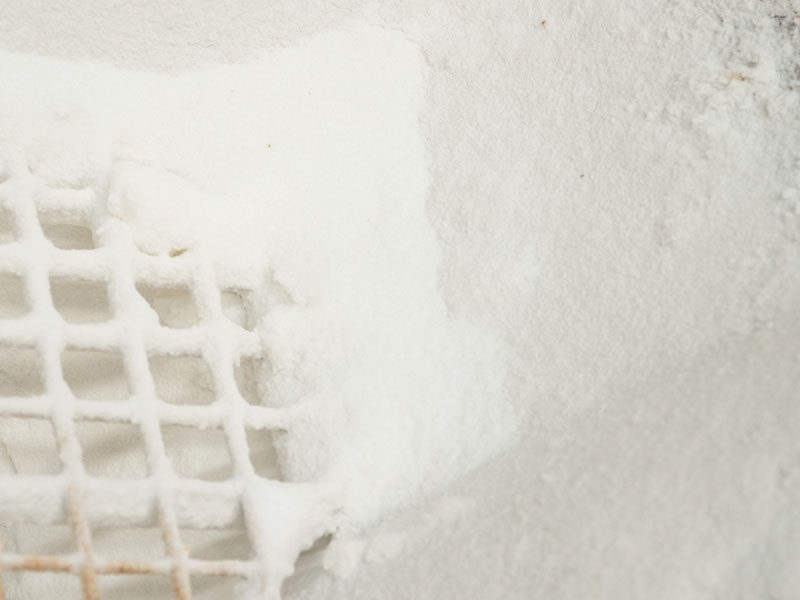
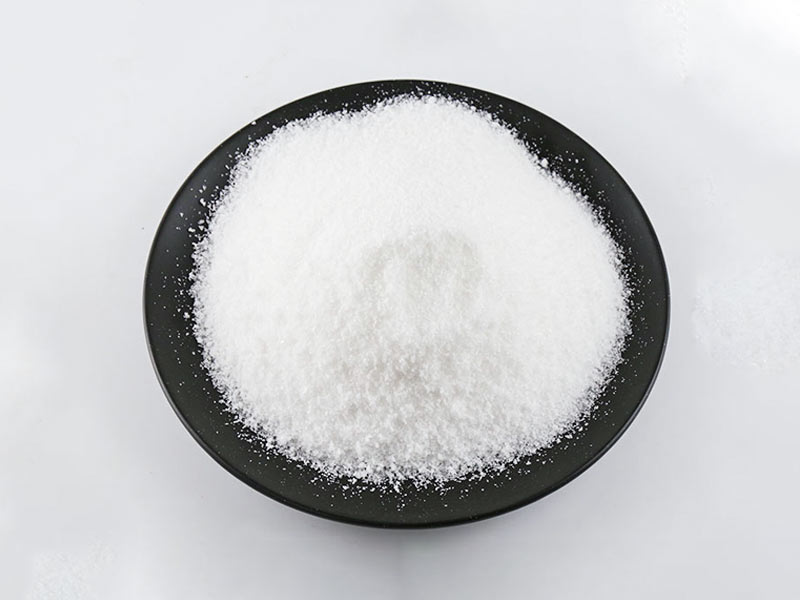
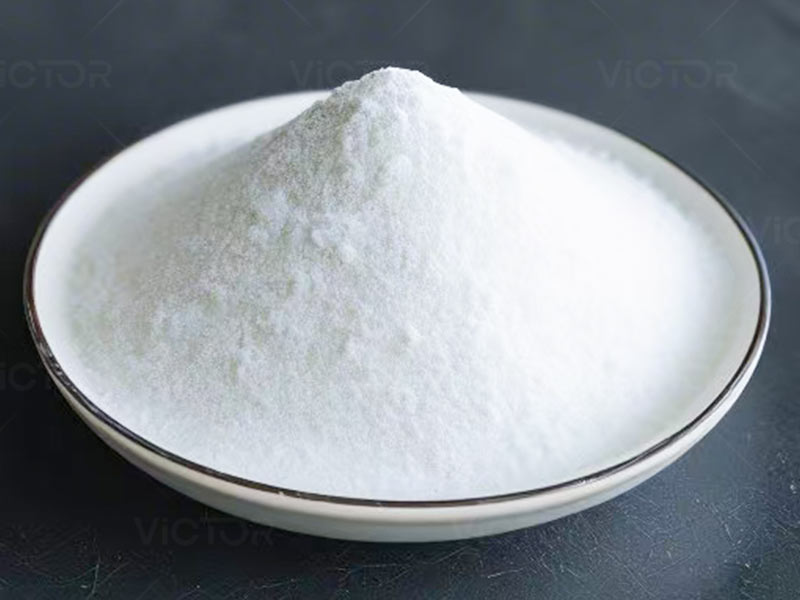
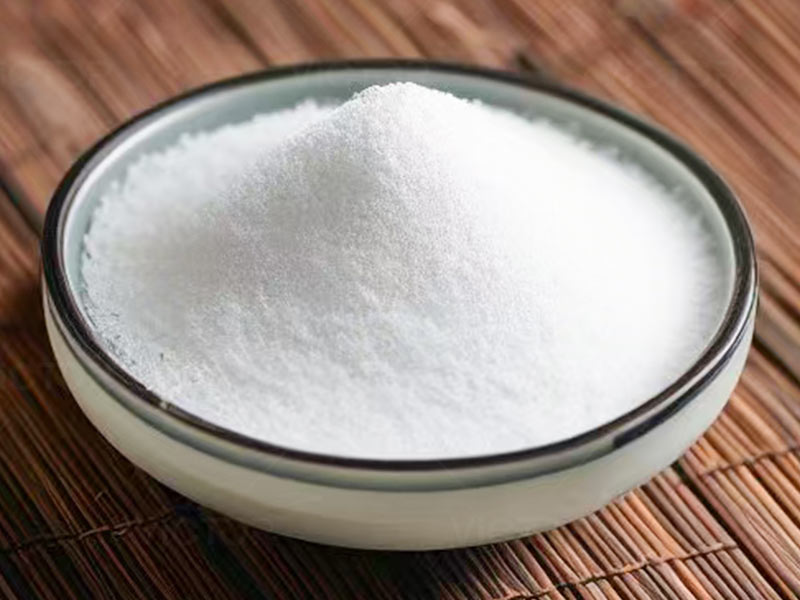
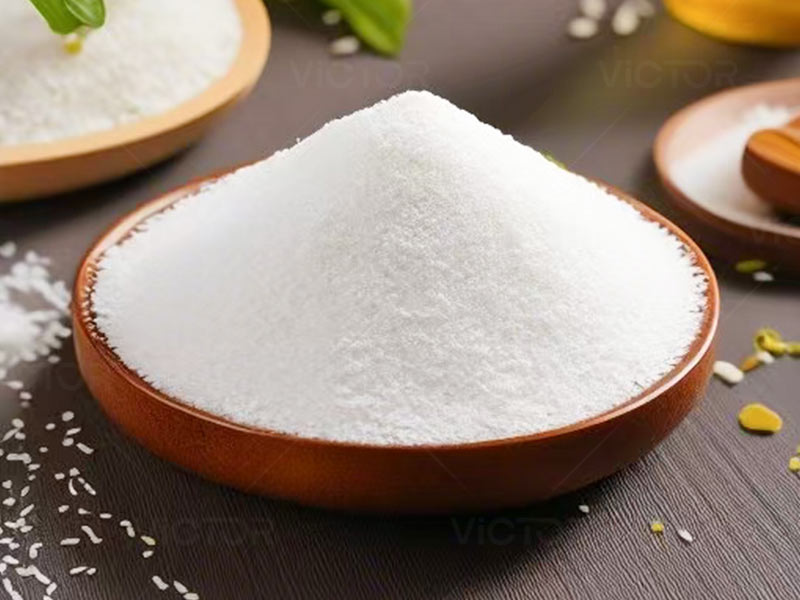
Polyacrylamide typically appears as a white powder. It dissolves very well in water. However, its solubility in common organic solvents such as benzene, diethyl ether, esters and acetone is virtually zero. Aqueous solutions of polyacrylamide typically appear as transparent, viscous liquids. It is classified as non-hazardous, non-toxic and non-corrosive. Solid PAM exhibits strong hygroscopicity; the higher the ionic strength, the greater the hygroscopicity.
Molecular Structure
The molecular structure of polyacrylamide consists of long-chain polymers. The molecular chains contain a large number of amide groups. These groups are highly polar and hydrophilic. They are able to bind with insoluble substances in water, such as suspended particles and colloids, through hydrogen bonding. When polyacrylamide dissolves in water, the molecular chains extend and form a network structure. Through cross-linking between them, dispersed small particles are aggregated into larger flocs. This process is known as flocculation. It is a crucial step in water treatment. Once flocs have formed, their density is significantly greater than that of water, causing them to settle rapidly to the bottom of the water under the influence of gravity. This achieves solid-liquid separation. The flocculation efficiency of polyacrylamide is influenced by many factors, such as molecular weight, degree of ionisation and degree of hydrolysis. The higher the molecular weight of PAM, the longer the molecular chains and the stronger the cross-linking ability. The degree of ionisation determines the adsorption capacity for particles with different charges.
Types of Polyacrylamide
PAM is classified based on the nature of the charge carried by its molecular chains. It is primarily categorised into: anionic, cationic and non-ionic types. The specific requirements for treatment vary depending on the nature of the wastewater. These types of PAM achieve their charge characteristics through functional groups within their molecular structures. They possess a high degree of ionisation in water and are classified as polymeric electrolytes.
- Cationic PAM: Suitable for treating wastewater or sludge carrying a negative charge. Activated sludge generated during biological treatment processes typically carries a negative charge. Cationic polyacrylamide effectively promotes sludge flocculation and sedimentation through charge neutralisation.
- Anionic PAM: Performs well when treating wastewater or sludge with positive charges. This is particularly relevant for wastewater generated in steelworks, electroplating plants, metallurgical plants, coal washing plants, and during dust removal processes.
- Non-ionic PAM: Exhibits good flocculation effects on both cationic and anionic wastewater or sludge. However, as its production costs are relatively high, the use of non-ionic PAM may increase the overall cost of water treatment.
Applications
Polyacrylamide is suitable for wastewater containing a high proportion of fine particles and colloidal matter, such as in sewage treatment, pulp and textile wastewater treatment, and similar applications. It effectively aggregates fine particles into large flocs, promoting rapid settling and filtration. PAM can also improve the high-temperature properties of water, reduce its viscosity, and enhance fluid transfer efficiency.
Wastewater Treatment: Polyacrylamide is used in sludge dewatering to increase the utilisation rate of water reuse and recycling. Polyaluminium chloride, meanwhile, can effectively remove suspended solids and organic pollutants from water, thereby reducing turbidity.