In the field of industrial and domestic wastewater treatment,
polyaluminium chloride (PAC) is a widely used water purification material. Thanks to its highly effective flocculation properties, low cost and broad adaptability, polyaluminium chloride has become a key choice in water treatment processes.
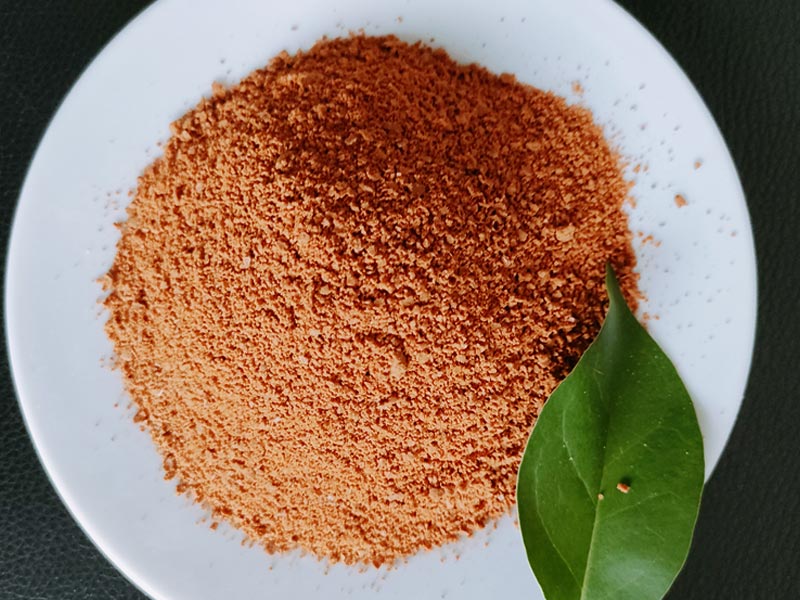
The compatibility of polyaluminium chloride is primarily reflected in its suitability for various water quality conditions (pH, temperature, co-existing ions) and water treatment materials. However, it is important to note that direct mixing with strong alkalis, strong oxidising agents, and anionic polymer flocculants (such as polyacrylamide, PAM) should be avoided. Today, we will provide a detailed analysis of the compatibility of polyaluminium chloride.
Wide pH Adaptability
PAC is effective for flocculation within a pH range of 5.0–9.0. Optimal water purification results are typically achieved at a pH of 6.5–7.5. If the pH falls outside this range (particularly above 9), the product may become ineffective due to the dissolution of aluminium hydroxylate complexes.
Strong Temperature Adaptability
It maintains excellent flocculation performance even in low-temperature environments. It is significantly more effective than traditional chemicals such as aluminium sulphate.
Compatibility with other water treatment chemicals
Polyaluminium chloride (PAC) can be used in conjunction with cationic polyacrylamide and non-ionic PAM. However, PAC must be added first, followed by PAM. Under no circumstances should it be mixed directly with anionic polyacrylamide or strong oxidising agents (such as sodium hypochlorite or potassium permanganate). Doing so may easily result in precipitation or reduced efficacy. If co-application is necessary, the agents must first be dosed separately and then thoroughly diluted.
Compatibility of PAC with Metals
If the aqueous solution is weakly acidic (pH ≈ 3.5–5.0), it exhibits slight corrosiveness towards carbon steel. It is recommended to use stainless steel, plastic (e.g. HDPE, PVC) or rubber-lined equipment. There is no significant conflict with water containing calcium or magnesium hardness. However, high salinity may compress the double layer and affect flocculation.
Storage and Compatibility
Poly aluminium chloride must not be stored or dissolved together with water treatment chemicals of other brands or types. This can easily lead to gelation, precipitation or exothermic reactions. Powdered poly aluminium chloride remains usable even after absorbing moisture. However, liquid poly aluminium chloride must be used within six months.