


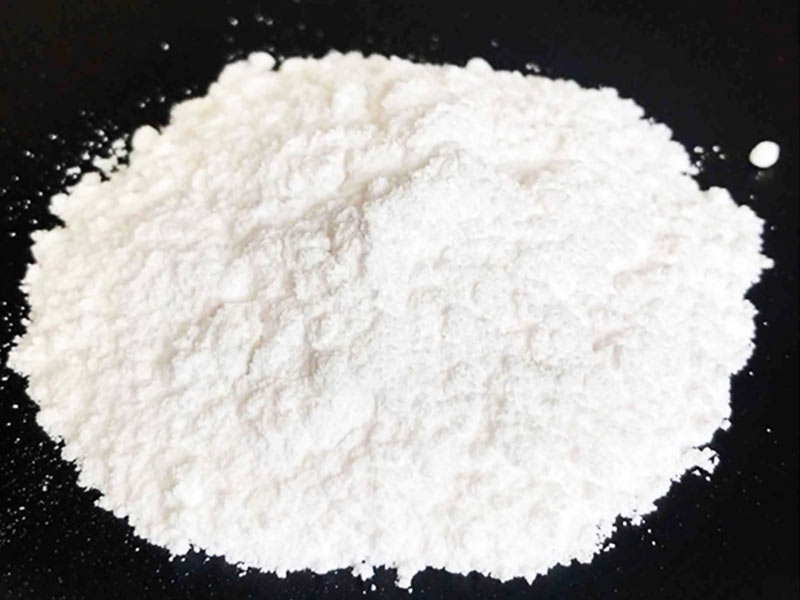
In today's world where wastewater treatment demands constant improvement, polyacrylamide has become a household name as a water purification agent. However, polyacrylamide itself is a chemical product. The question of its toxicity remains a concern for m
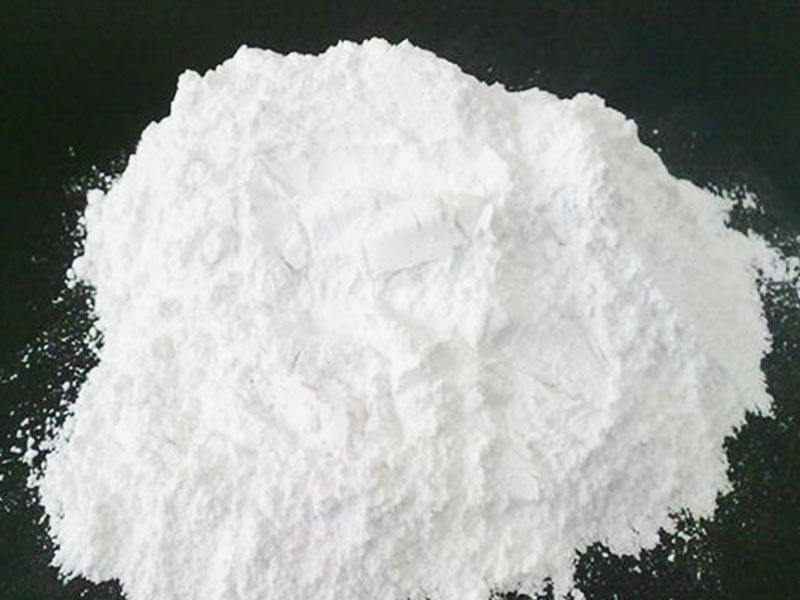
The quality of polyacrylamide, a water treatment chemical renowned for its pronounced efficacy, is beyond question. Due to variations in classification, polyacrylamide products with higher molecular weights demonstrate superior performance in wastewater t
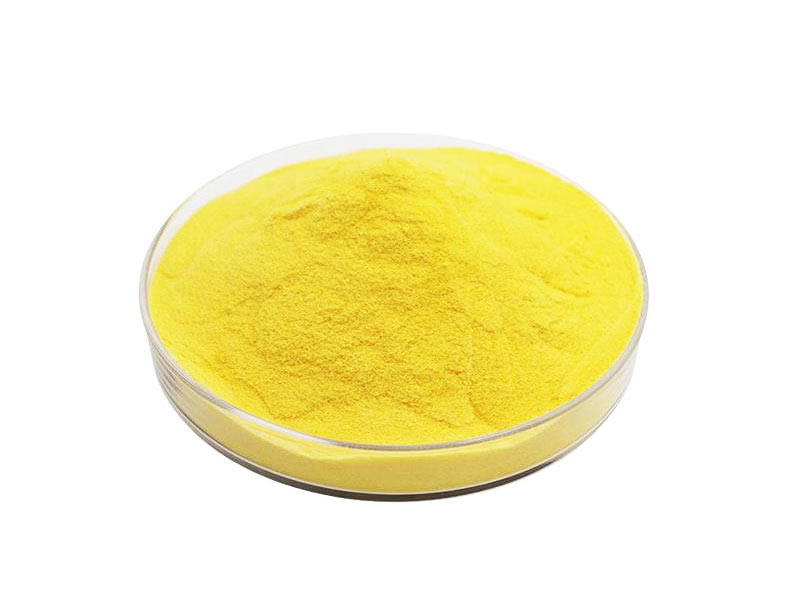
Over the past two years, the usage and sales volume of polyaluminium chloride products have been steadily increasing. Why has the sales volume of polyaluminium chloride products been rising continuously?
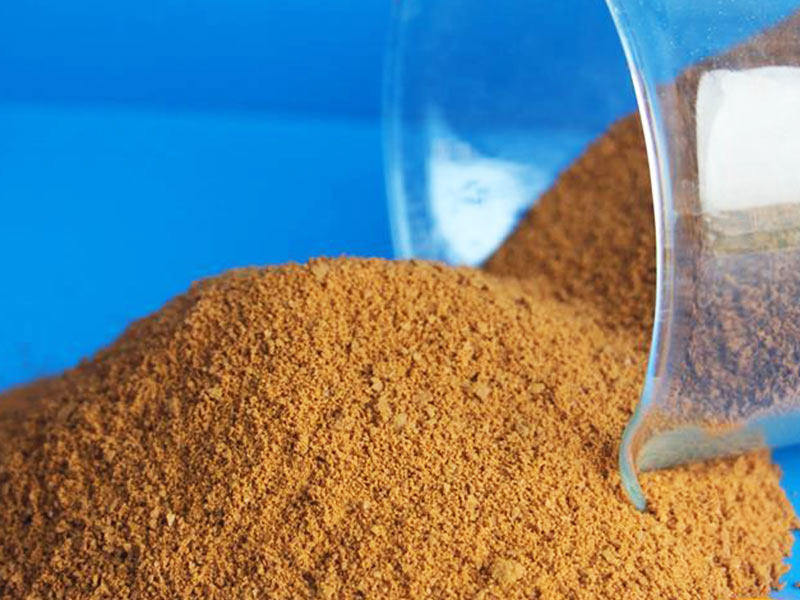
With the advancement of the times, new consumption patterns have emerged. We have transitioned from physically visiting shops to purchasing desired items online without leaving home. The development of the internet has revolutionised our lives.
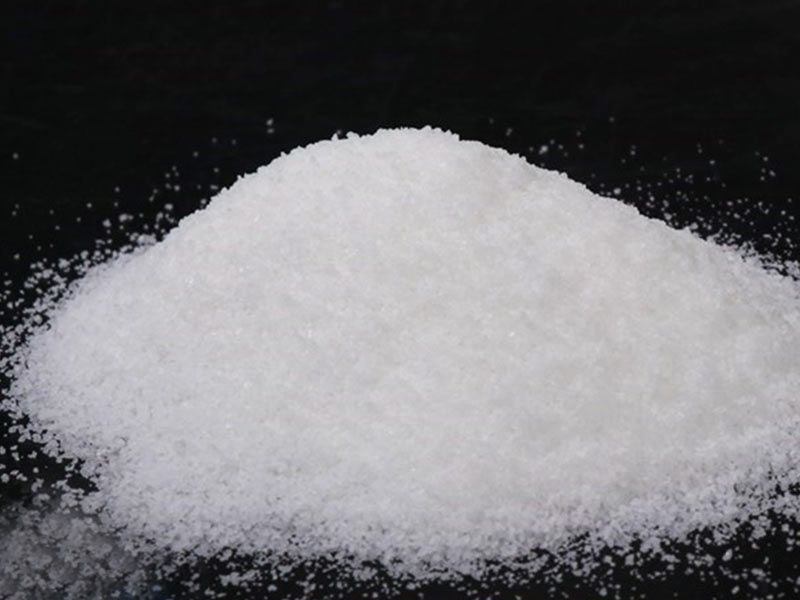
As a highly water-soluble polymeric macromolecule, polyacrylamide exhibits excellent flocculating properties and is insoluble in most organic solvents. It effectively reduces interfacial friction between liquids and finds extensive application in thickeni
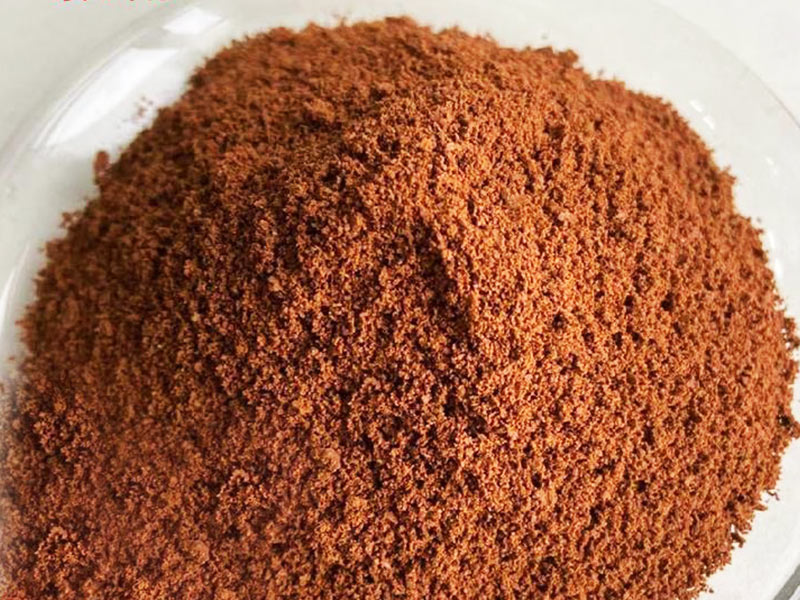
Many manufacturers today fully recognise the role of polyaluminium chloride in water treatment, as its applications continue to broaden. However, during the utilisation of polyaluminium chloride products, performance is subject to various interferences.
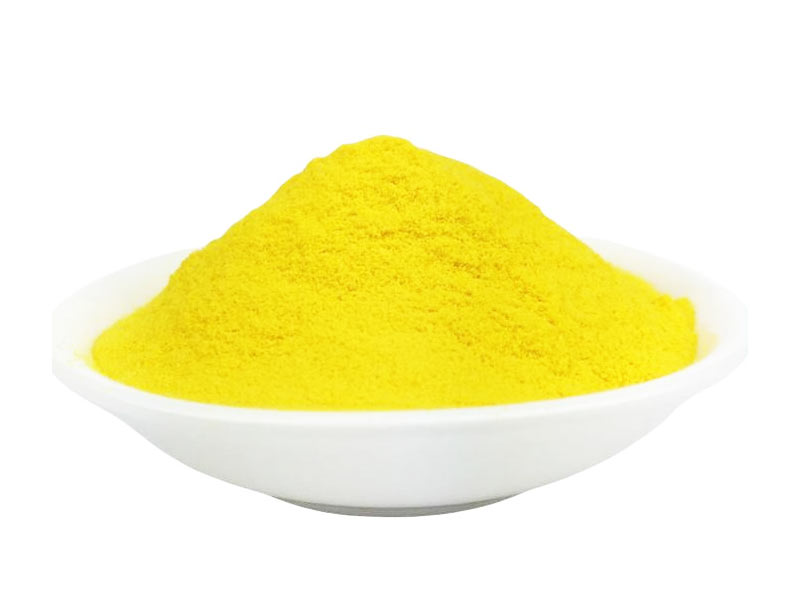
The excellent water purification efficacy of polyaluminium chloride products is now widely recognised. Due to its high purification efficiency with minimal dosage during wastewater treatment, it has gained extensive application within the water treatment
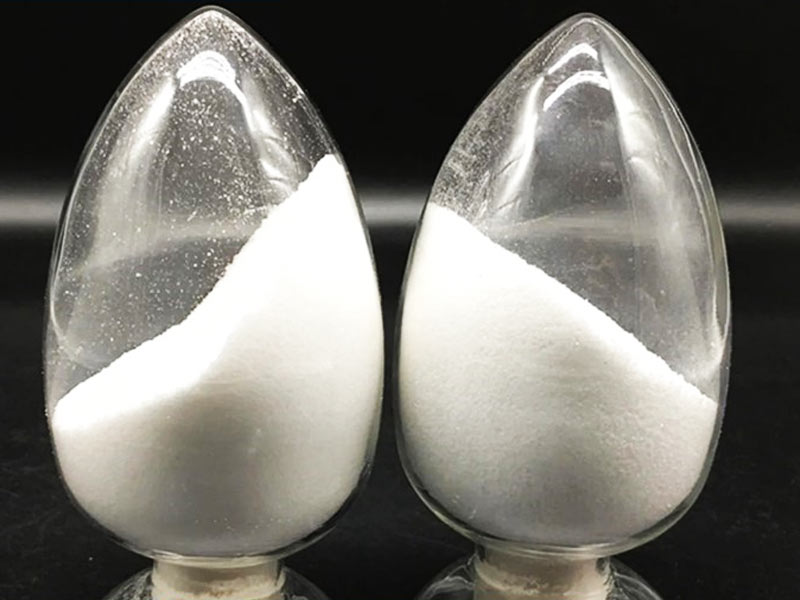
Both polyaluminium chloride and polyacrylamide are highly effective chemical agents for wastewater treatment. However, significant differences exist between the two. What precisely distinguishes polyacrylamide from polyaluminium chloride in wastewater tre
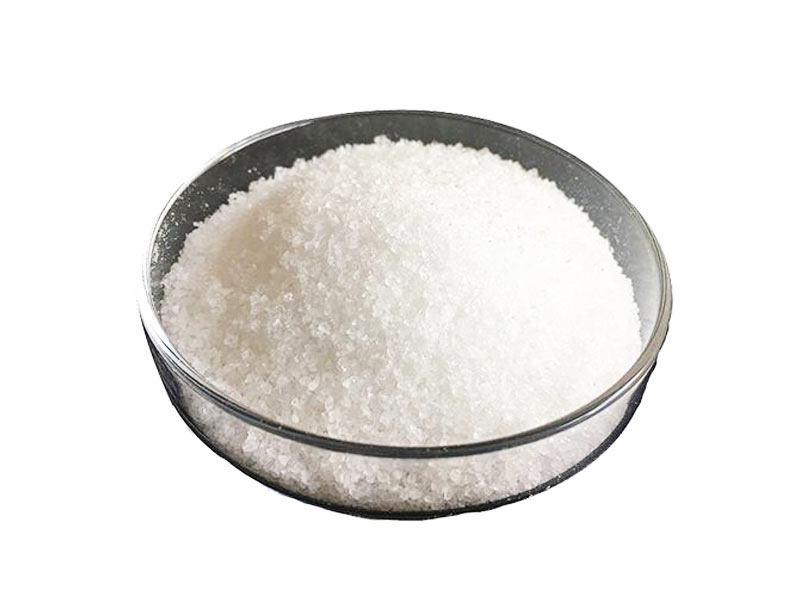
The role of polyacrylamide in wastewater treatment remains significant. Particularly during industrial sludge processing, cationic polyacrylamide, employed as a flocculant, frequently encounters challenges due to varying application conditions and scenari
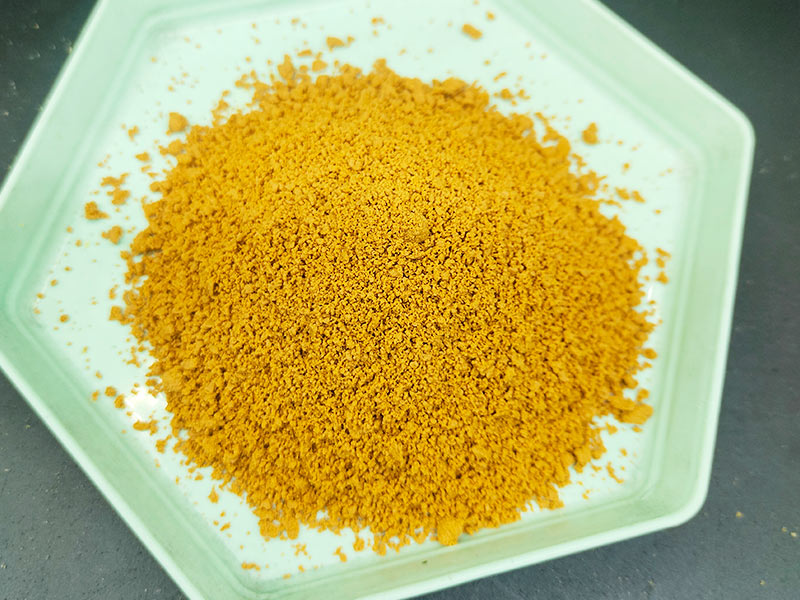
Polyaluminium chloride products, as premium water purification agents, are available in both solid and liquid forms. However, whether in solid or liquid form, polymerised aluminium chloride demonstrates excellent efficacy. For instance, it is effective in
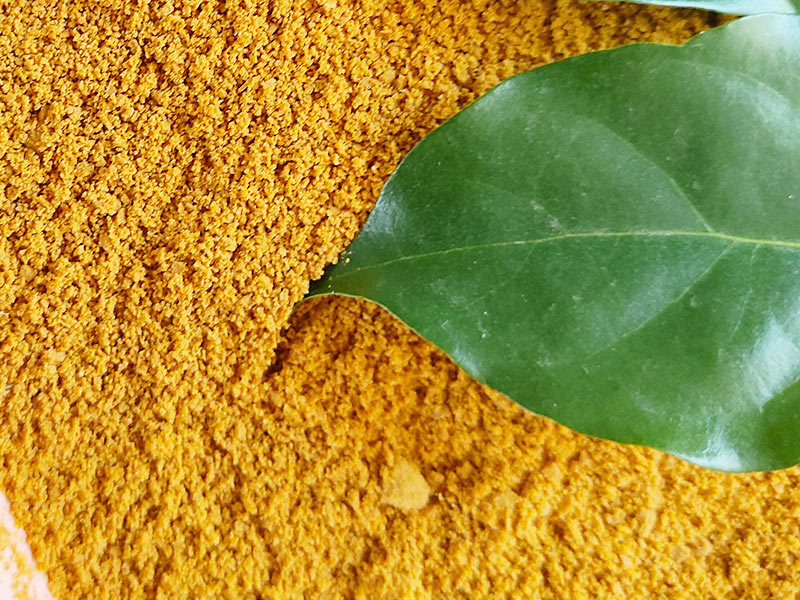
In today's era of continuous economic development, green and environmental protection have become imperative considerations for progress. In wastewater treatment, polyaluminium chloride plays a vital role, making significant contributions to green, healt
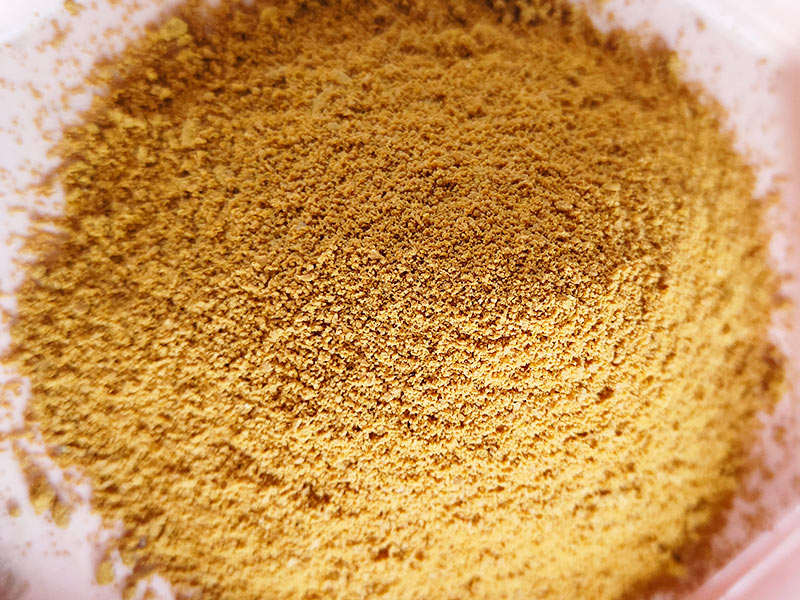
As a highly effective water purification product, the efficacy of polyaluminium chloride has garnered widespread acclaim. Its ability to treat diverse industrial effluents makes it particularly prevalent in dyeing and printing wastewater management.
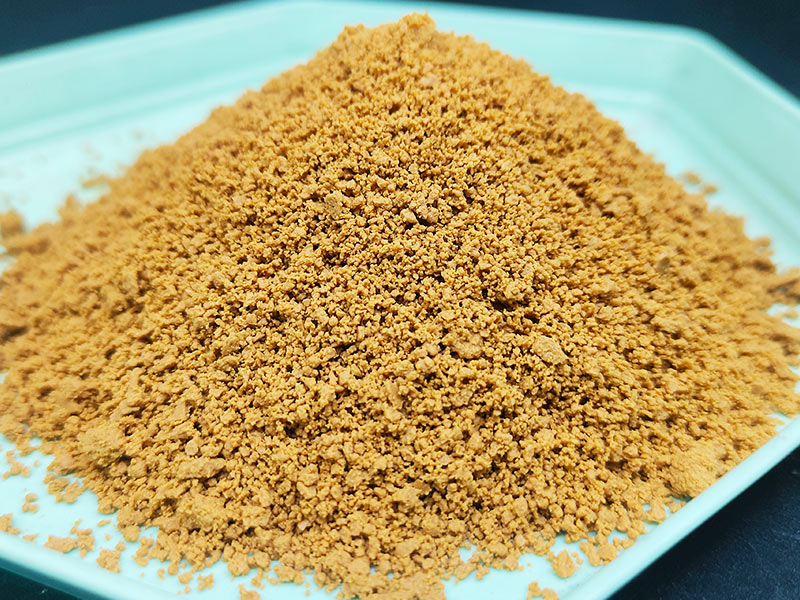
The application scope of polyaluminium chloride products continues to expand, garnering increasing favour among users. This is due to the highly effective results achieved when employing polyaluminium chloride for wastewater treatment. However, many find
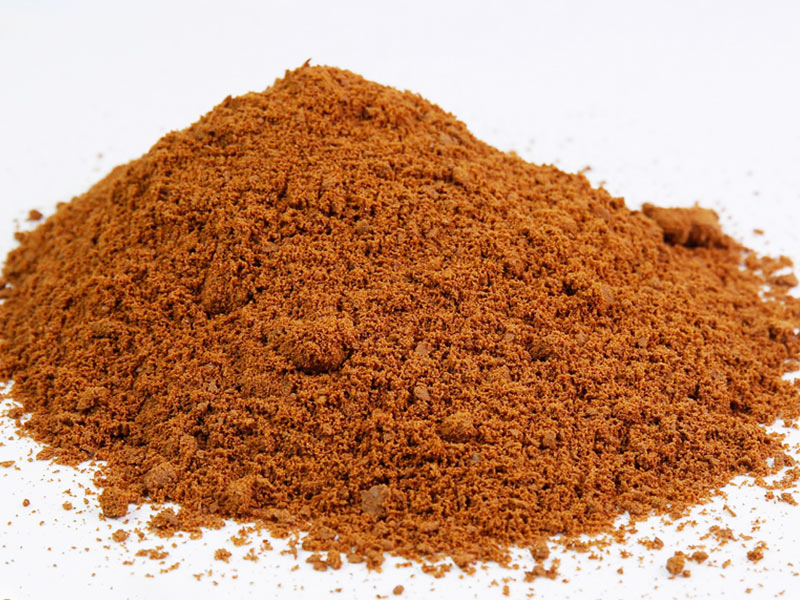
As a novel water purification chemical, polyaluminium chloride gained widespread popularity among customers upon its introduction. It has progressively replaced more traditional water treatment agents, comprehensively dominating the market. This is attrib
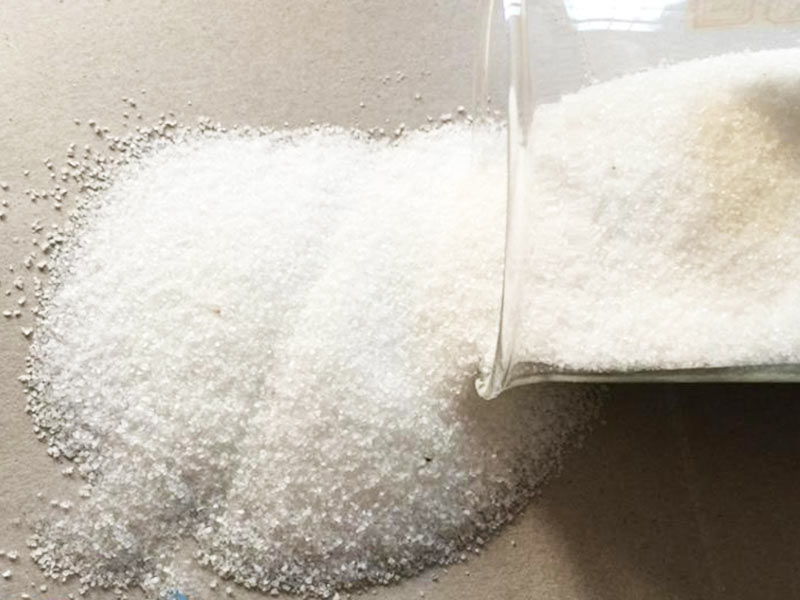
As a widely employed water treatment chemical within the industry, polyacrylamide boasts an extensive range of applications. Precisely due to its broad usage, polyacrylamide is categorised into numerous types, each possessing distinct functional propertie