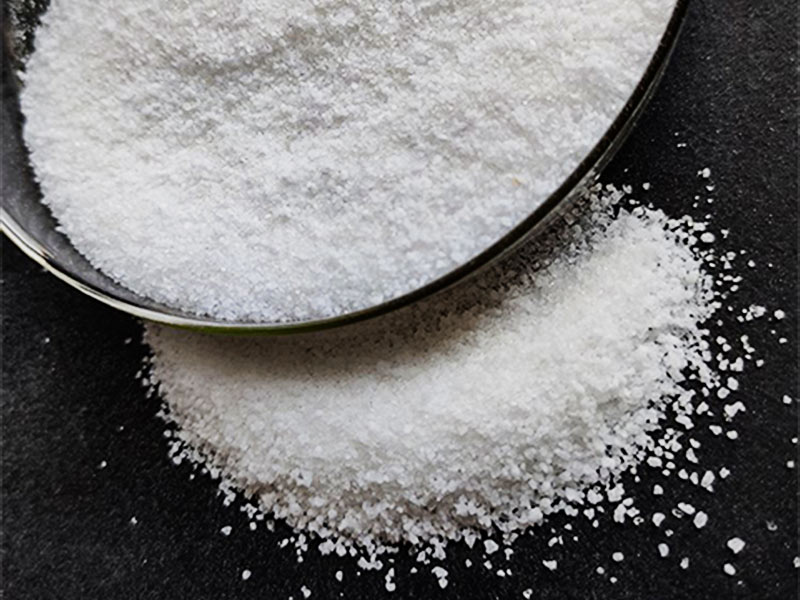
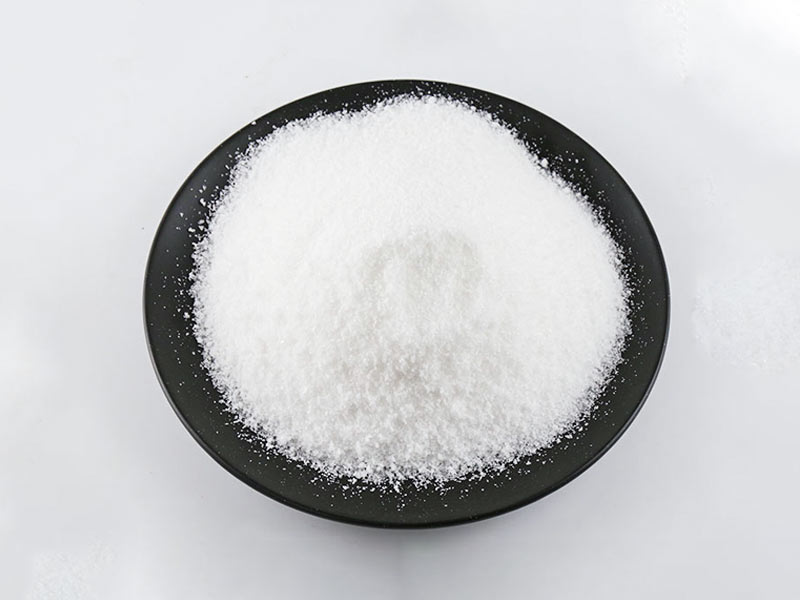
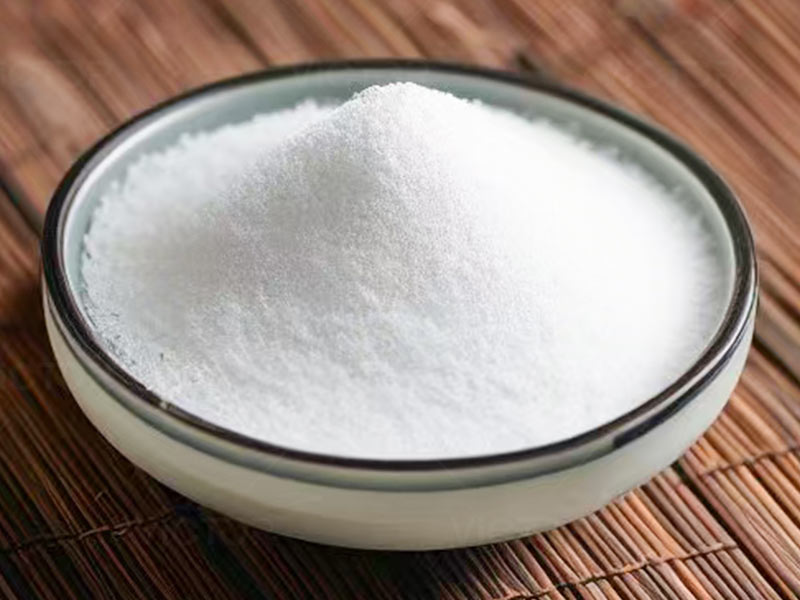
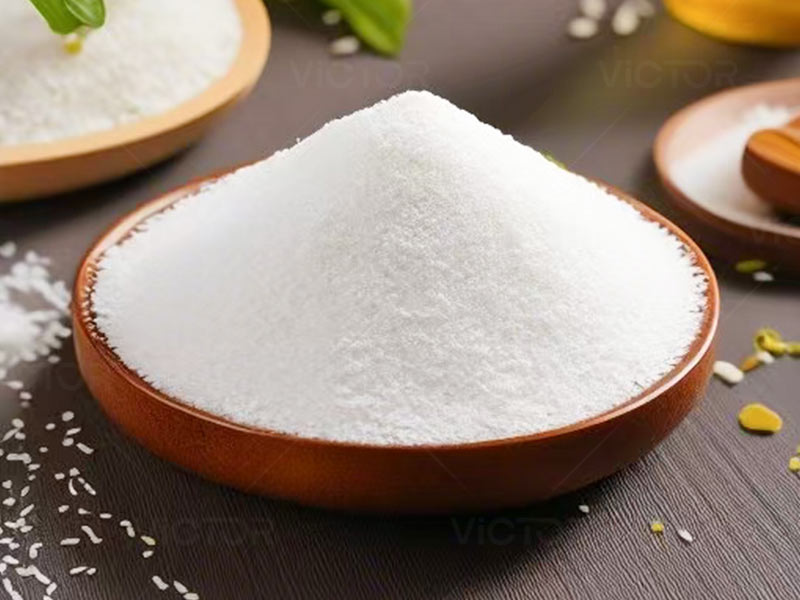
Polyacrylamide is one of the most widely used polymers in the chemical industry. The amide groups in the molecular chain structure of PAM confer unique properties such as adsorption and flocculation. As a result, it is used in a variety of applications, including industrial wastewater treatment, the optimisation of papermaking processes, and oil extraction. The use of polyacrylamide can significantly improve efficiency and reduce treatment costs.
Water Treatment Industry
Polyacrylamide is widely used in the water treatment industry. It is typically employed as a flocculant in water treatment. Through charge neutralisation and bridging, PAM rapidly flocculates suspended particles, colloids and organic matter in water. It effectively adsorbs suspended solids, forming large flocs, thereby facilitating subsequent separation and removal. Polyacrylamide can also reduce the surface tension of water and increase filtration rates, making water treatment more efficient. It is important to note that, during wastewater treatment, the type and dosage of PAM must be dynamically adjusted according to the pH value and suspended solids concentration of the wastewater. This prevents incorrect selection or excessive dosage, which could lead to the re-stabilisation of colloids.
Oil Extraction and Drilling
In the oil extraction process, polyacrylamide is commonly used as a thickening agent to increase well productivity. It increases the viscosity of crude oil, thereby improving its flowability in the surface layer and enhancing extraction efficiency. By increasing the viscosity of the aqueous phase, it expands the swept volume and improves oil displacement efficiency. It also extends the production cycle of oil wells. During drilling operations, polyacrylamide can serve as a thickener, a friction reducer for fracturing, a thickening agent for sand transport, and a coating agent.
Paper Industry
In the paper industry, polyacrylamide is used as a retention aid and dispersant. It can significantly improve fibre dispersion and increase the retention rate of fillers. It can also act as a wet strength agent, significantly enhancing the wet strength of paper. Its primary use is as a retention aid, improving the retention rate of fibres and fillers in the paper, thereby reducing waste of raw materials.
Soil Improvement and Agriculture
In the agricultural sector, polyacrylamide acts as a soil conditioner, improving soil structure and enhancing water retention. Furthermore, it can serve as a binder for pesticide sprays, increasing the adhesion of pesticides to plant surfaces. This ensures that pesticides remain on the plants for longer, thereby enhancing their effectiveness. Polyacrylamide performs exceptionally well in soil improvement in arid regions. By forming a three-dimensional network structure, PAM can reduce soil moisture evaporation rates by more than 50%, thereby improving fertiliser utilisation. Crucially, the dosage must be strictly controlled, as excessive application can lead to soil caking.
Mining
In the mining industry, polyacrylamide acts as a flocculant, aiding in the separation of concentrate from waste rock and improving ore beneficiation efficiency. It also functions as a dispersant, preventing the agglomeration of ore ions and maintaining the fluidity of the slurry.
Cosmetics Industry
Polyacrylamide possesses excellent lubricating and moisturising properties. It is commonly used in the formulations of products such as face creams and shampoos. Furthermore, it forms a protective film over the skin and hair, thereby enhancing the efficacy of cosmetic products.
Pharmaceutical Industry
Polyacrylamide can serve as a drug carrier, enhancing the solubility and bioavailability of pharmaceuticals. Furthermore, it can be used as a biomaterial in the manufacture of various medical devices and biosensors.
In summary, polyacrylamide possesses unique properties and is widely used across numerous industrial sectors. Although polyacrylamide has a diverse range of applications, each sector has its own specific requirements and technical standards. Therefore, in practical industrial applications, it is necessary to select the appropriate polyacrylamide product based on the specific circumstances.