


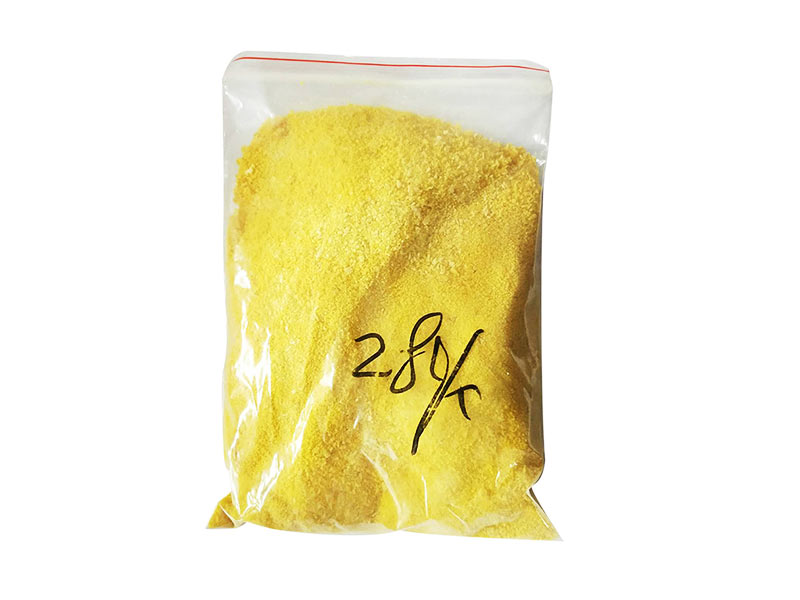
The advancement of society has also given rise to a multitude of counterfeiters, and we frequently encounter all manner of fabricated news stories. From online shopping to physical stores, from major items like vaccines to everyday goods, it seems one mig
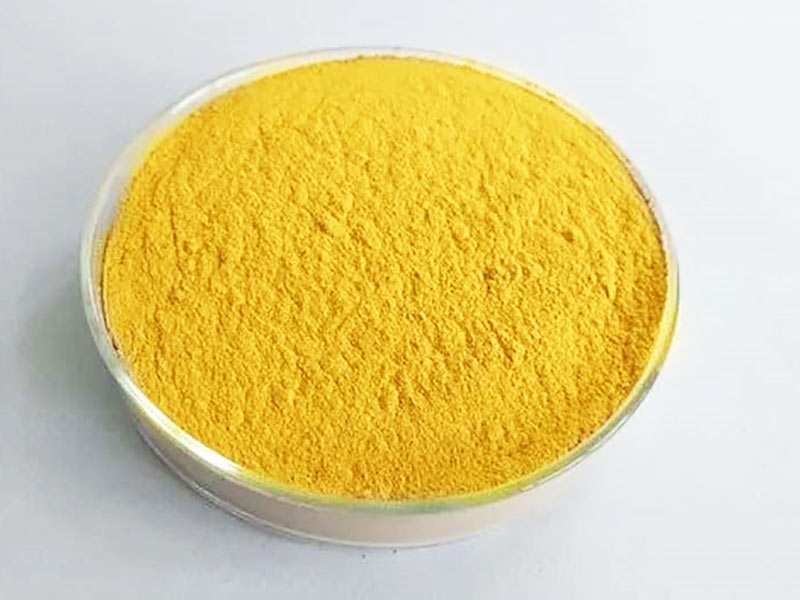
Polyaluminium chloride is a high-molecular-weight inorganic coagulant. Particularly that produced by VICTOR. Tap water treated with it meets all national standards for domestic water purification as specified in the 2009 National Drinking Water Purificati
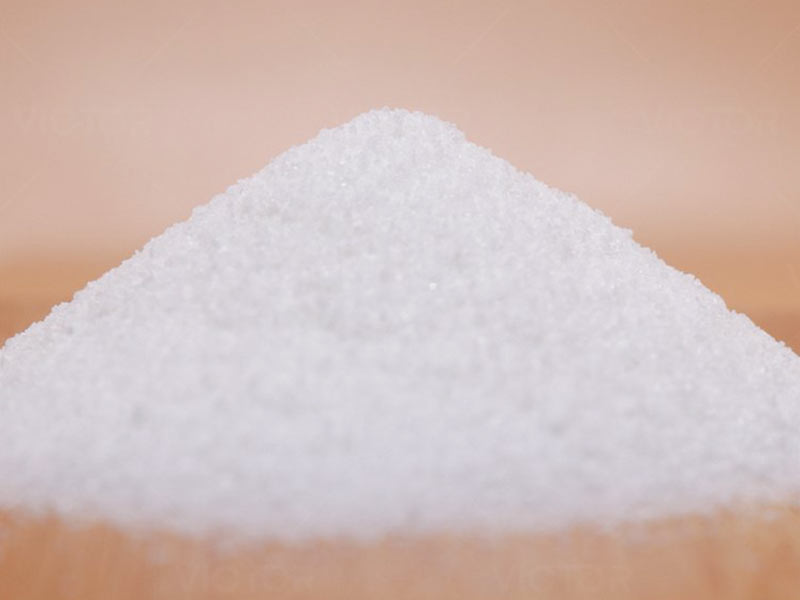
VICTOR's polyacrylamide and polymeric ferric sulphate are both employed as water purification agents in wastewater treatment. What distinguishes them? As practitioners in wastewater treatment, how should we select between polyacrylamide and polymeric fer
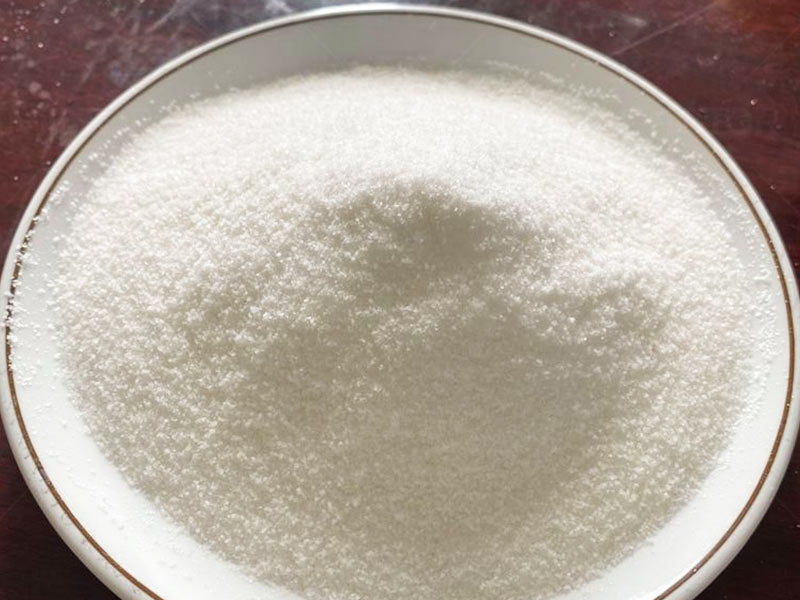
We are all aware of the extensive applications of polyacrylamide. It finds widespread use across numerous sectors including oil extraction, mineral processing, coal washing, metallurgy, chemical engineering, papermaking, textiles, sugar production, pharma
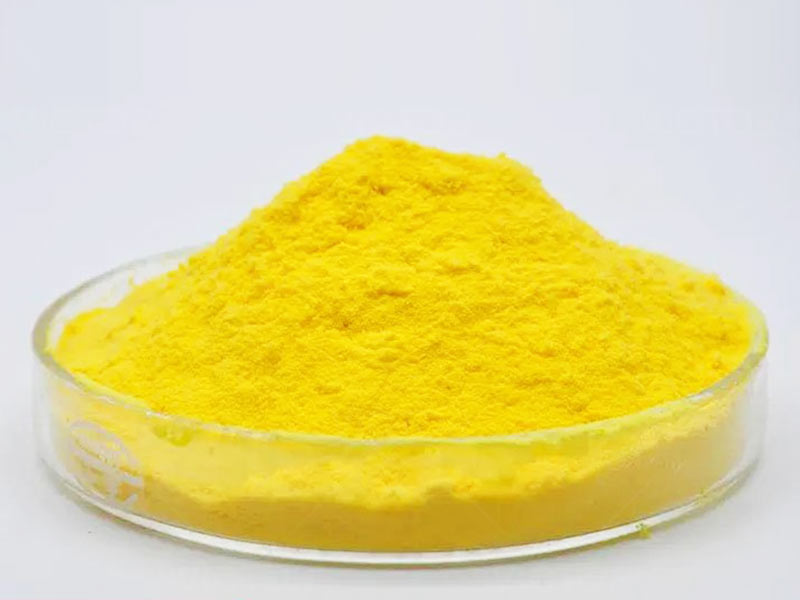
Plate-and-frame polyaluminium chloride is also a variant of polyaluminium chloride. It is produced using plate-and-frame filtration technology. This substance is highly environmentally friendly, generated through the chemical reaction between aluminium or
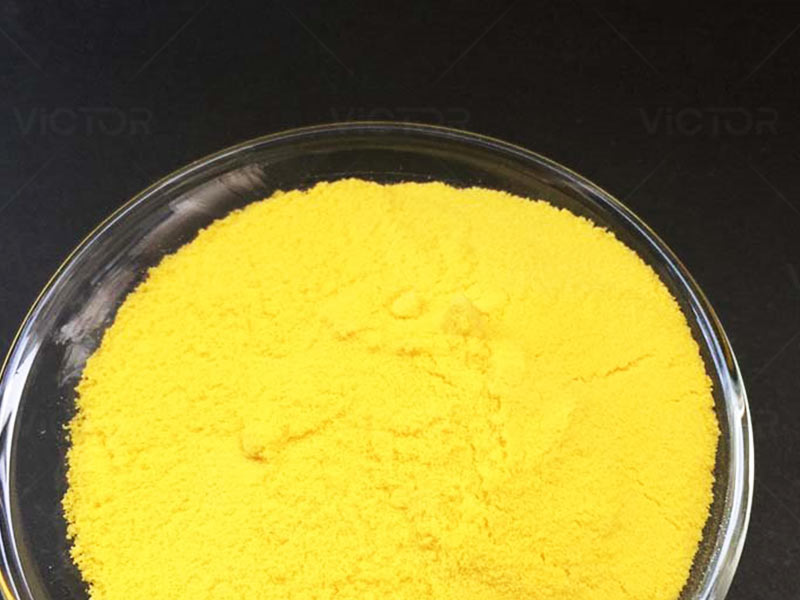
VICTOR's sodium hydroxide serves as an alkaline cleaning agent in water treatment processes. It is soluble in ethanol and glycerol but insoluble in propanol and diethyl ether. At elevated temperatures, it also exhibits corrosive effects on sodium carbona
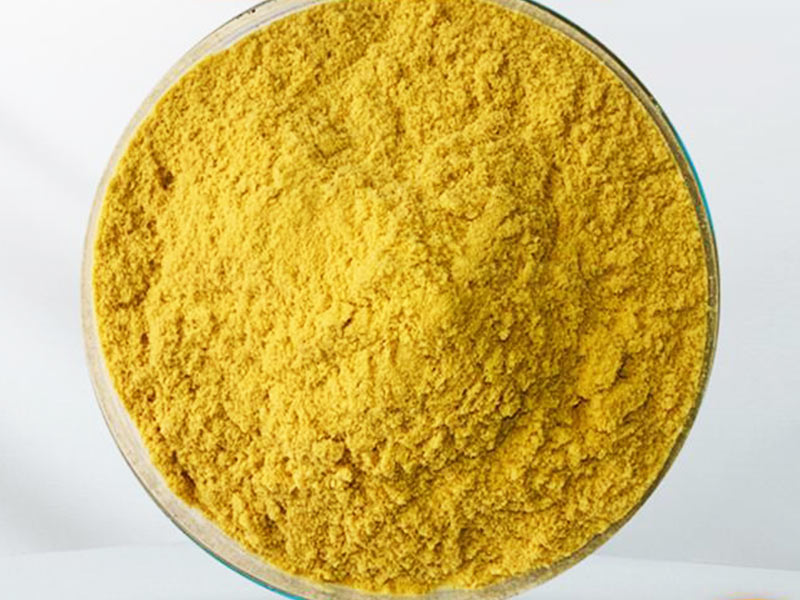
The characteristics of spray-dried polyaluminium chloride are determined by the operating principle of the pressure sprayer. Aluminium chloride produced via the pressure spray drying process yields porous or hollow microgranules.
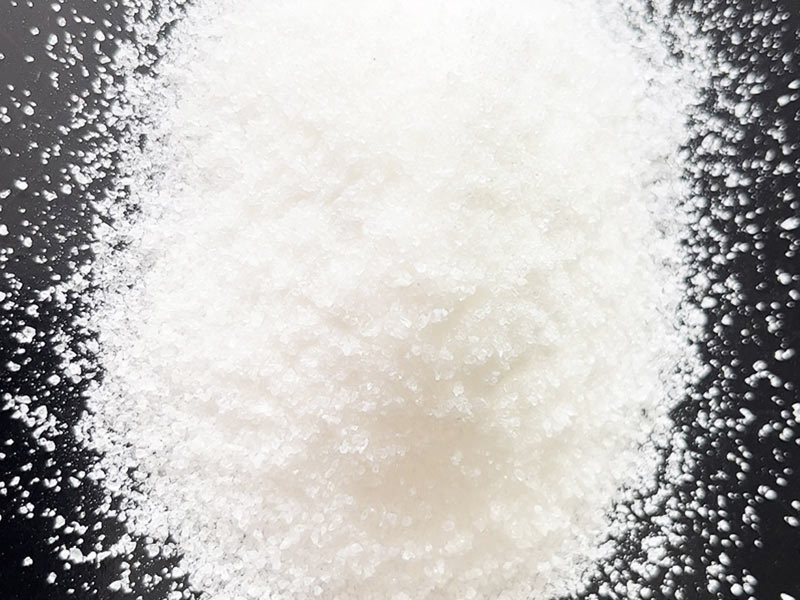
Non-ionic polyacrylamide also plays an extensive role in industrial production. Victor Company's non-ionic polyacrylamide is itself a high-molecular-weight polyelectrolyte. Its molecular chain contains a certain quantity of polar functional groups. It ca
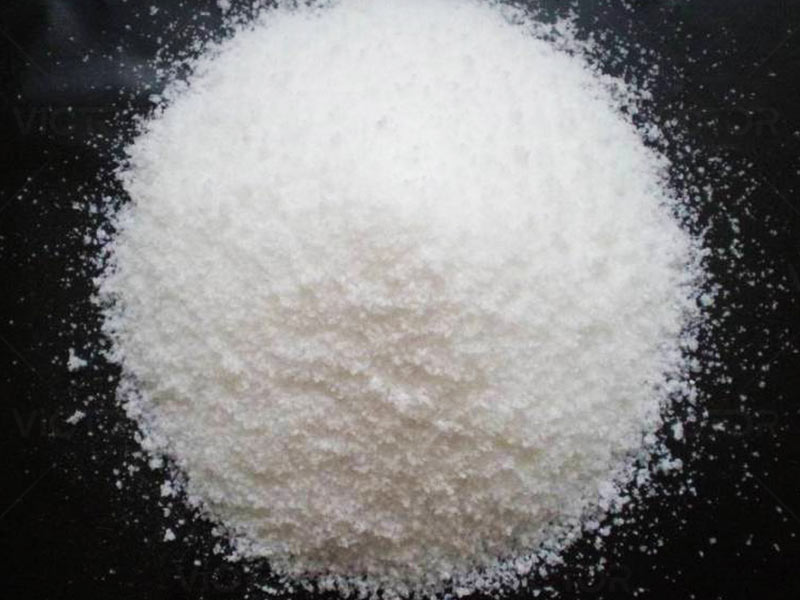
Polyacrylamide is a linear polymeric flocculant. Based on its molecular structure, polyacrylamide can be categorised into anionic polyacrylamide, cationic polyacrylamide, and non-ionic polyacrylamide. These structural differences determine their distinct
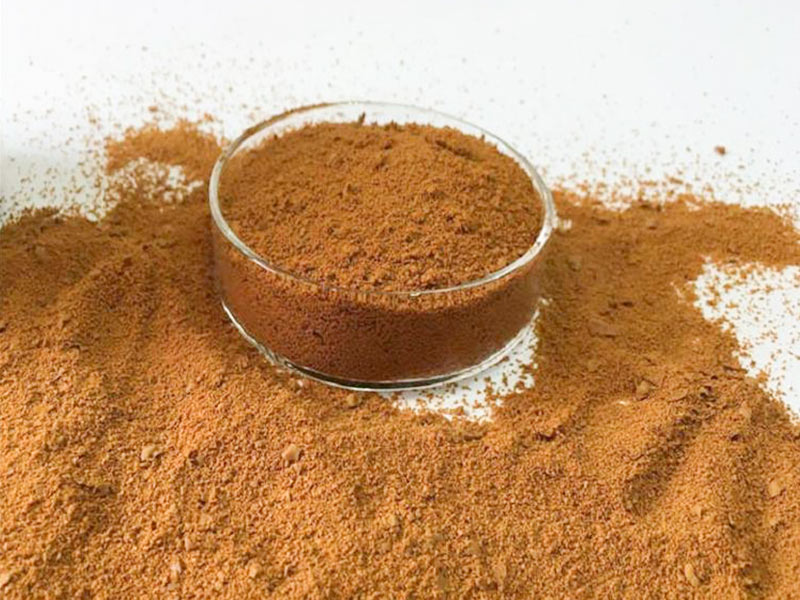
Polyaluminium chloride is a water purification agent, a high-molecular-weight inorganic flocculant. Due to the bridging action of its hydroxide ions and the polymerisation effect of its polyvalent nature, it becomes a water treatment chemical with a large
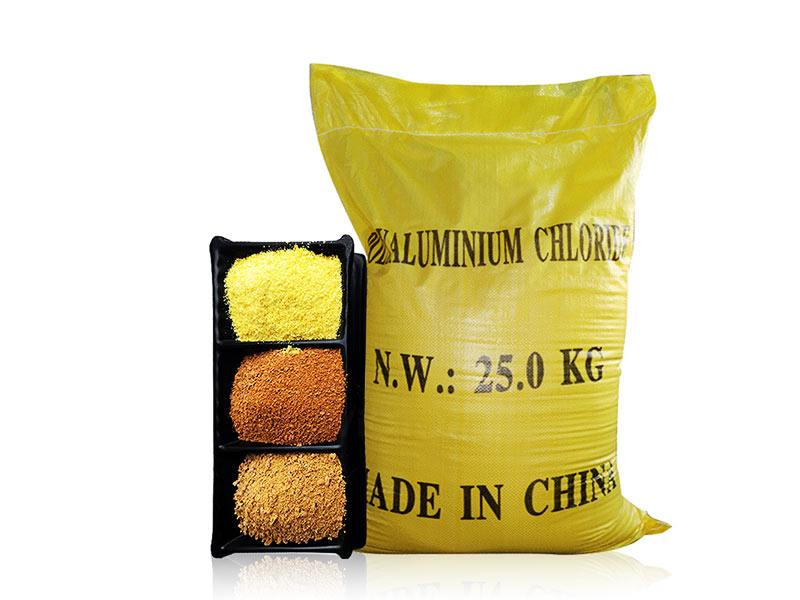
Polyaluminium chloride is a high-molecular-weight coagulant widely employed in turbid water treatment and diverse industrial production sectors. Present-day economies globally accord significant importance to water treatment within their socio-economic fr
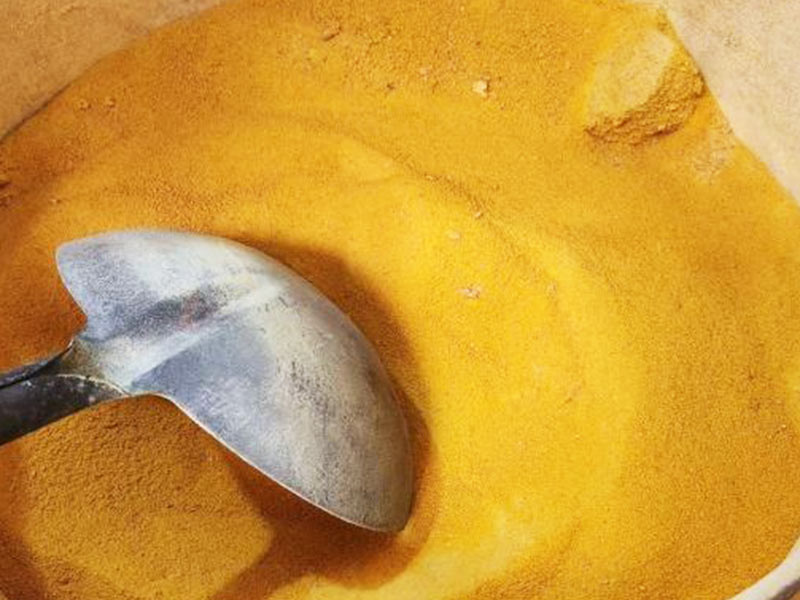
Polyacrylamide is an industrial water treatment flocculant. It is frequently utilised within the production materials sector and constitutes an indispensable component of its manufacturing processes. We are all aware of the profound societal impact of env
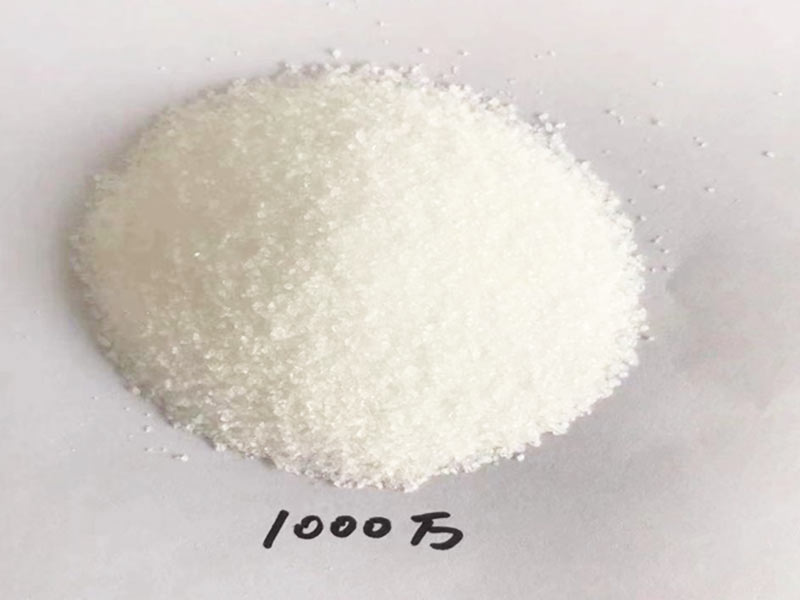
Polyacrylamide has become an indispensable component in modern water treatment processes. Its favourable performance and minimal dosage requirements have made it highly favoured. However, how should one evaluate and select from the range of VICTOR polyacr
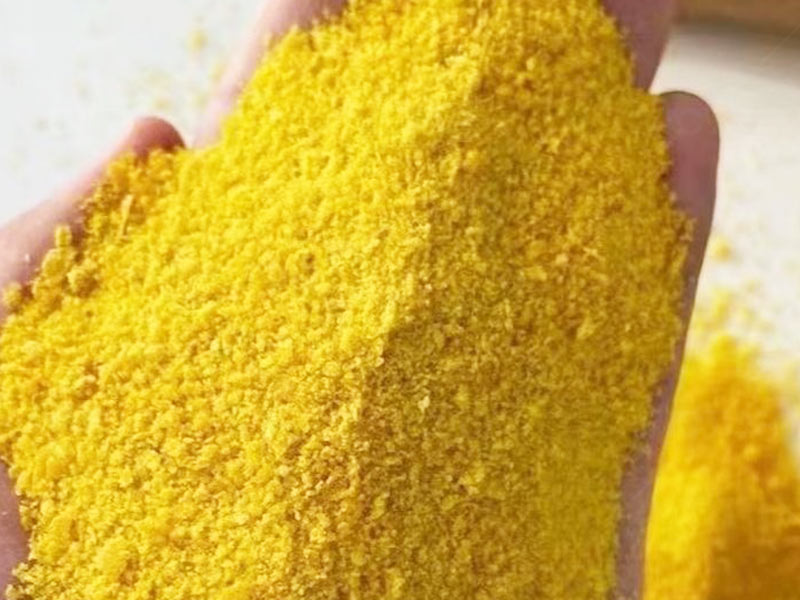
Regarding the purification of sewage, polyaluminium chloride products play a significant role. However, some claim that using polyaluminium chloride products can easily cause pipe blockages. What is the reason for this? Is it a normal occurrence, or does
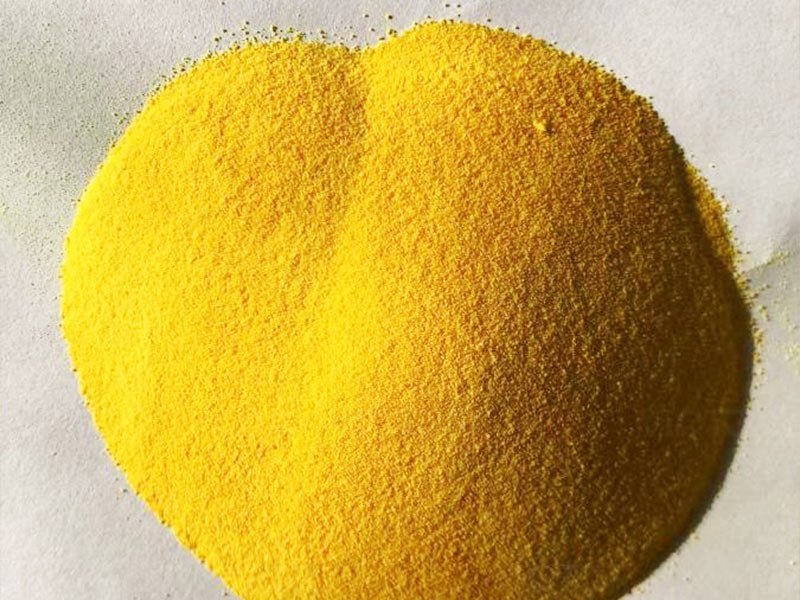
Generally speaking, to achieve optimal water treatment results with polyaluminium chloride products, correct dissolution is essential. This is because the raw materials of polyaluminium chloride products are complex in composition. The finer these raw mat