Polyacrylamide is classified into four types: anionic, cationic, non-ionic and amphoteric.
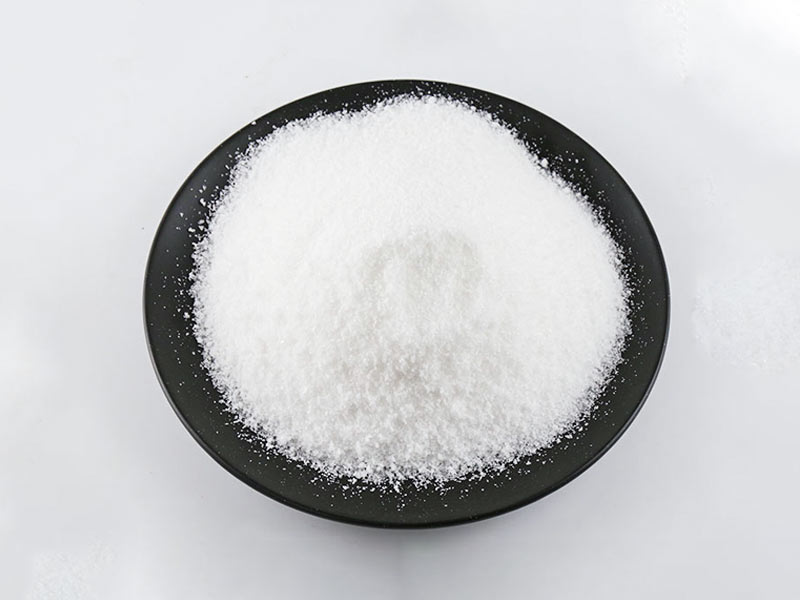
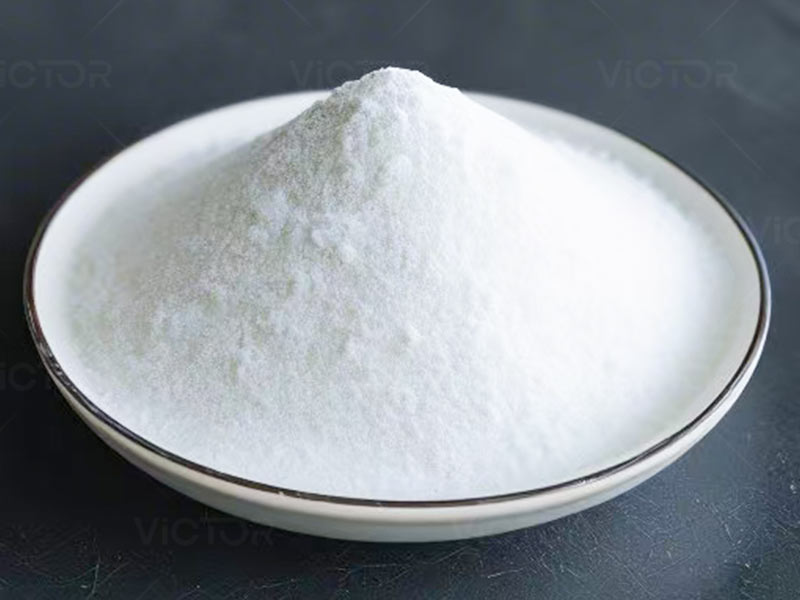
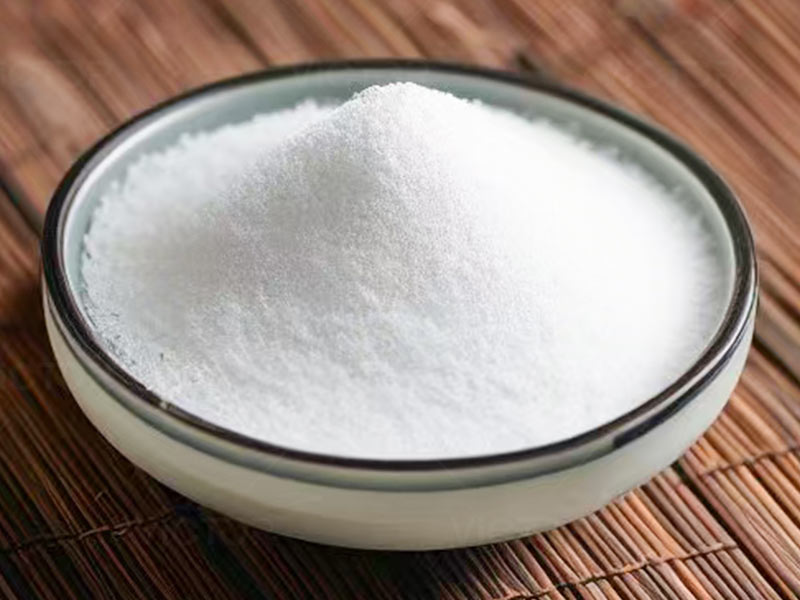
Anionic polyacrylamide is a water-soluble polymer. It typically appears as fine white granules, resembling the ‘salt’ we use in everyday life. The molecular weight of APAM ranges from 6 million to 25 million. It possesses excellent water solubility, dissolving in water in any proportion but remaining insoluble in organic solvents. Today, we will provide a detailed introduction to anionic polyacrylamide.
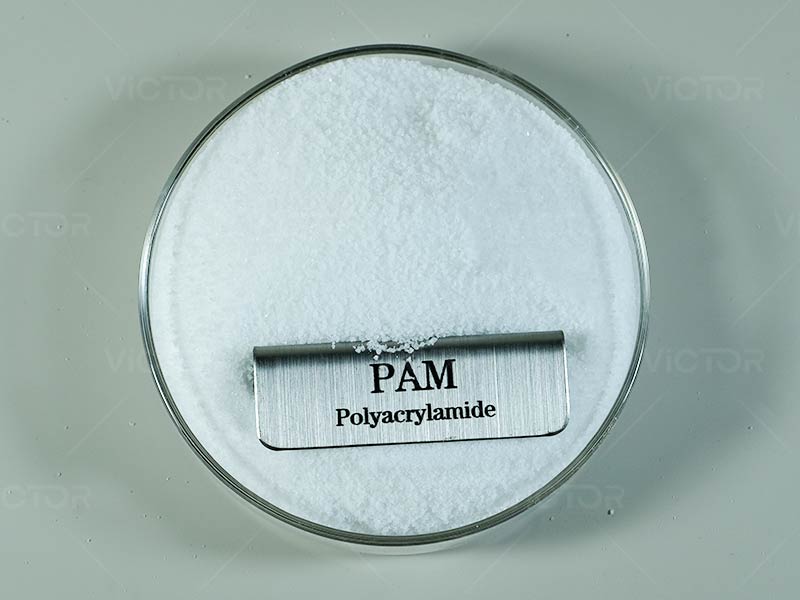
Chemical Properties of Anionic Polyacrylamide
Its primary characteristic is that it carries a negative charge. This is due to the carboxyl (-COOH) or sulphonic (-SO₃H) groups attached to the polymer chains. This property enables anionic polyacrylamide to interact with cationic substances, such as most pollutants, to form flocs and precipitates. As a polymer, it plays a vital role in industries including water treatment, papermaking, oil fields, textiles and mining. In both acidic and alkaline media, it exhibits cationic behaviour. Furthermore, it is sensitive to salt electrolytes and can cross-link with high-valent metal ions to form insoluble gels.
Scope of Application
The applications of anionic polyacrylamide are primarily concentrated in the following areas:
Water Treatment
Anionic polyacrylamide is widely used in the field of water treatment. It can effectively adsorb coloured substances and heavy metal ions in wastewater. Through flocculation and sedimentation, harmful substances are separated from the water. Furthermore, due to its high efficiency and environmentally friendly properties, it is extensively used in wastewater treatment and drinking water purification.
Mining Industry
In the mining industry, anionic polyacrylamide is commonly used as a flocculant. It aids in the separation of minerals from wastewater, thereby enhancing the efficiency of ore extraction.
Oilfield Extraction
In oilfields, anionic polyacrylamide is used for formation acidisation, which improves crude oil recovery rates. Furthermore, APAM can be employed to prevent the deposition of solid particles in drilling fluids, thereby enhancing the performance of the drilling fluid.
Paper Industry
It can be used as a wet strength agent and retention aid. By improving the wet mechanical properties of paper, it enhances paper strength. Anionic polyacrylamide can also serve as a flocculant in pulp, improving the uniformity and smoothness of the paper.
Furthermore, it can be used for the clarification and purification of drinking water, as well as in the manufacture of new materials such as polymeric adsorbents, fibre coating and fibre coatings.
Mechanism of Action
The primary mechanisms by which anionic polyacrylamide functions in water treatment are flocculation, adsorption and thickening. It rapidly adsorbs solid particles suspended in water, causing particles to bridge together or, through charge neutralisation, causing ions to coalesce into large flocs, thereby accelerating the settling of particles in the suspension. Furthermore, it can agglomerate dispersed particles into larger flocs through physical and chemical interactions, causing them to settle. This facilitates the filtration process.
Other Properties
APAM possesses excellent adhesive properties, chemical compatibility and chemical resistance. It can bond with a wide range of materials to form a stable, elastic compound with strong adhesion. It is resistant to high temperatures, acids, alkalis, oils and other corrosive substances, and can withstand water erosion. Furthermore, it exhibits excellent antioxidant properties, effectively inhibiting the oxidation of harmful substances.