


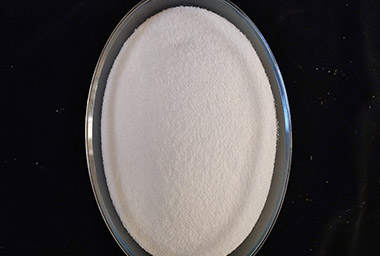
It is widely recognised that polyacrylamide delivers excellent results in wastewater treatment. However, many are unaware that to achieve superior water treatment outcomes, polyacrylamide is best employed in conjunction with other chemical agents. Whilst
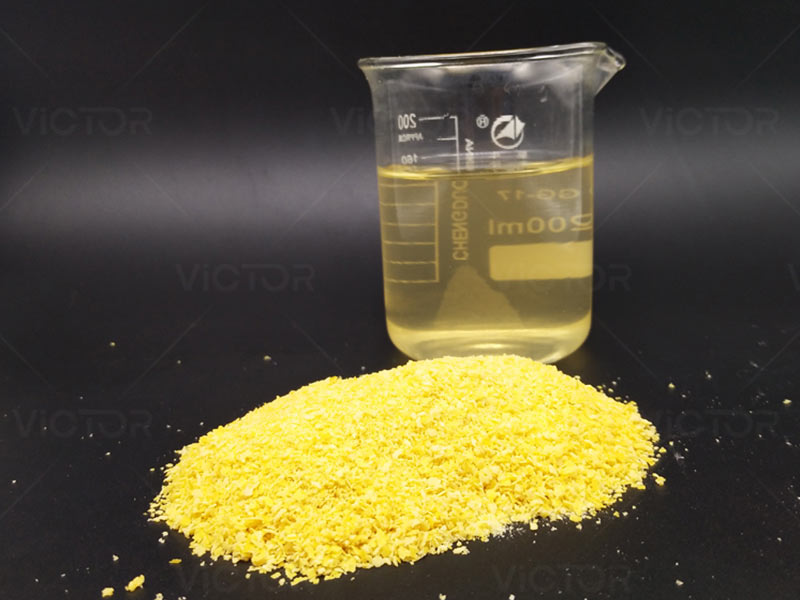
Nowadays, the use of polyaluminium chloride products in the water purification industry is becoming increasingly frequent. This product is highly favoured for its excellent purification effect and low cost. However, failure to grasp the key points of usin
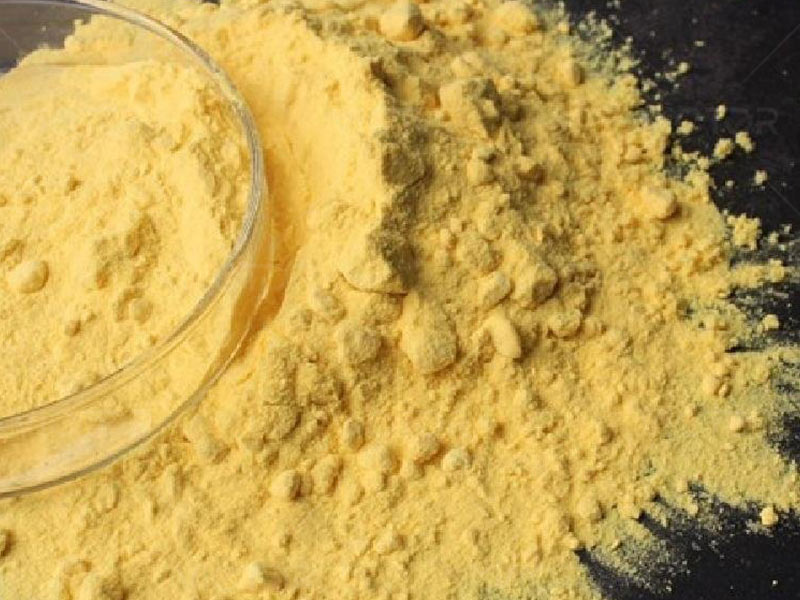
Polymerised aluminium chloride has now become a preferred choice for many in water treatment. However, many remain uncertain about its efficacy, unsure whether it performs better when used alone or in combination with other chemicals. Today, we shall expl
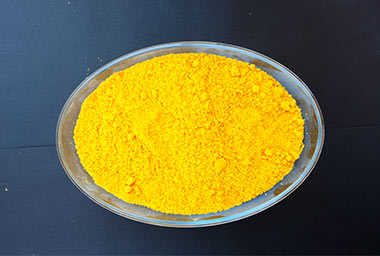
An increasing number of manufacturers now employ polyaluminium chloride for wastewater treatment. The market features numerous producers of polyaluminium chloride products, with a wide variety available. Consequently, selecting high-quality polyaluminium
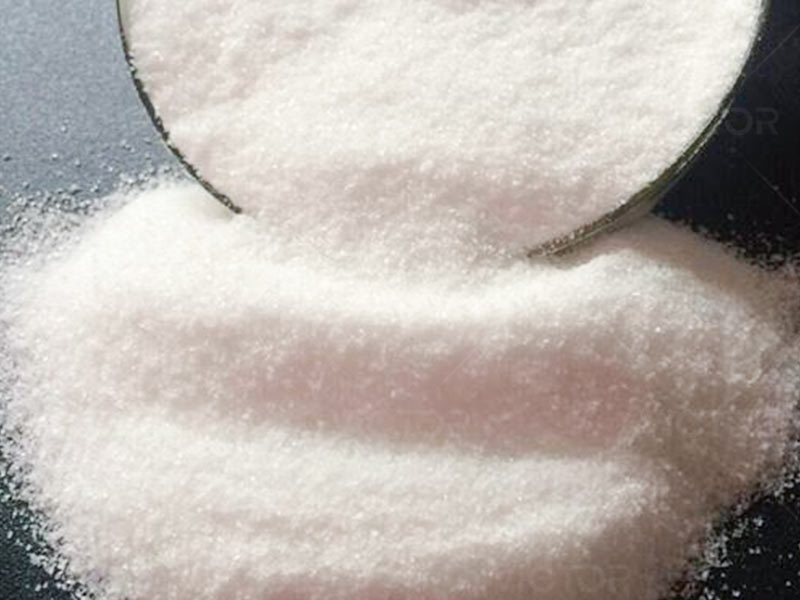
When purchasing goods, it is customary to shop around for the best deal, and this holds true when buying polyacrylamide. With heightened environmental awareness, the demand for polyacrylamide has increased significantly. The range of industries utilising
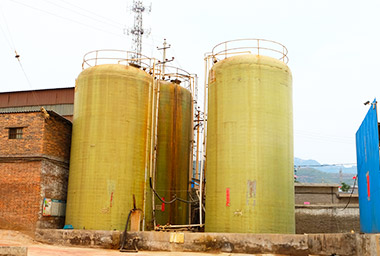
If you frequently purchase goods, you will notice that ninety-nine per cent of items carry a shelf life. Polyacrylamide is no exception. As an economical chemical agent for wastewater treatment, polyacrylamide also delivers excellent water purification ef
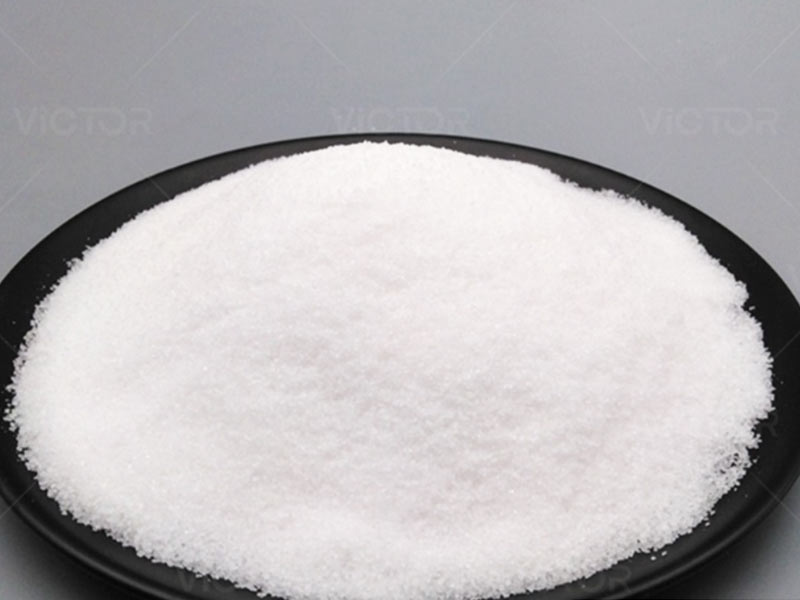
With polyacrylamide products finding increasingly widespread application in wastewater treatment, their uses continue to multiply. As specialised manufacturers, polyacrylamide producers must possess a thorough understanding of the substance's application
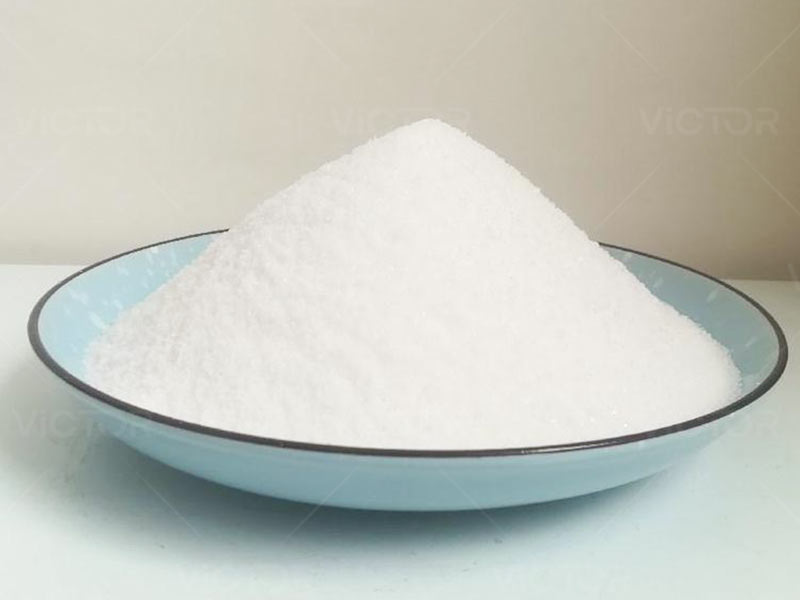
Among the more common wastewater treatment chemicals encountered in daily life, polyaluminium chloride and polyacrylamide stand out. What distinguishes these two products as water purification agents? How might one select the most suitable option for ever
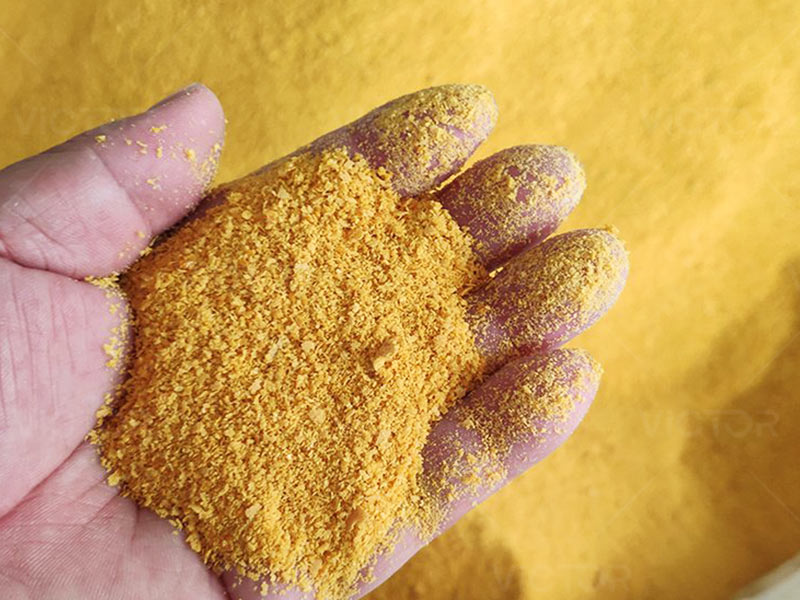
Water pollution has become significantly more severe. Although the state is vigorously promoting water source protection, the results remain largely ineffective. Consequently, an increasing number of enterprises are addressing wastewater contamination by
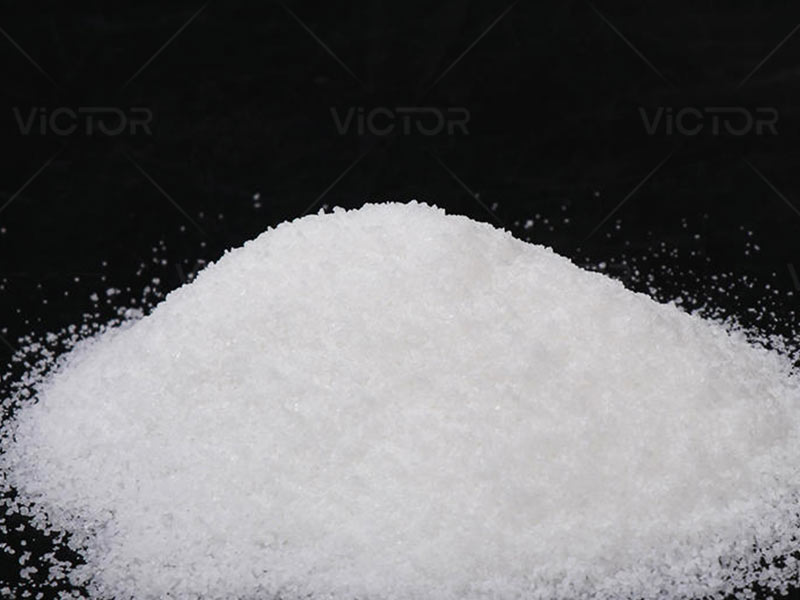
n water purification, there are two primary products: polyaluminium chloride and polyacrylamide. Those with experience know that polyacrylamide is an organic flocculant, whereas polyaluminium chloride is an inorganic flocculant.
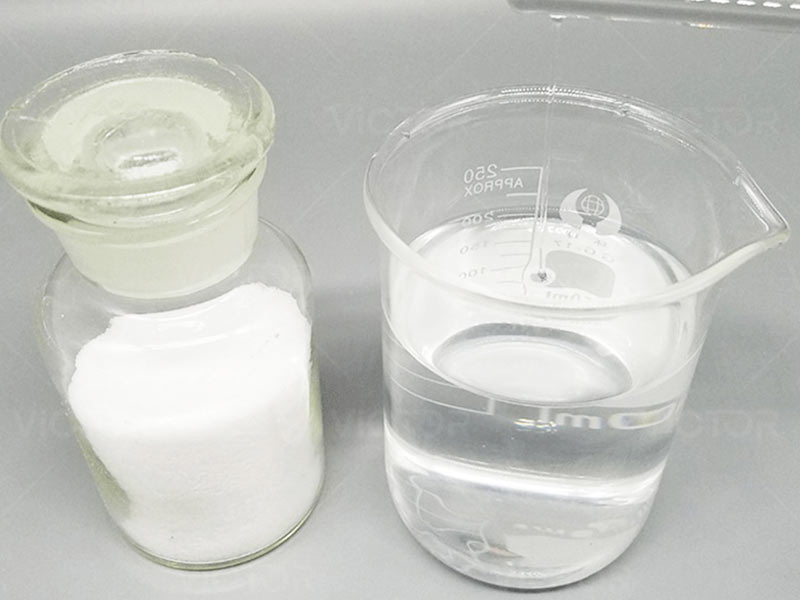
As environmental awareness grows, so does understanding of polyacrylamide products. However, significant price variations exist among these products, ranging from inexpensive to costly. Consequently, many question whether cheaper polyacrylamide is suitabl
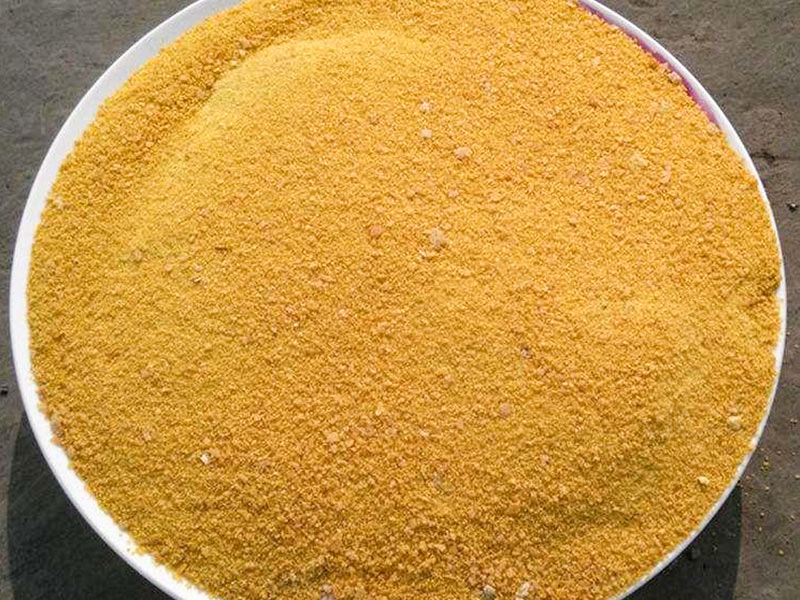
There are indeed numerous polyaluminium chloride products available on the market. However, the majority are predominantly in solid powder form. Liquid polyaluminium chloride products do exist as well. So, which is more effective: solid or liquid polyalum
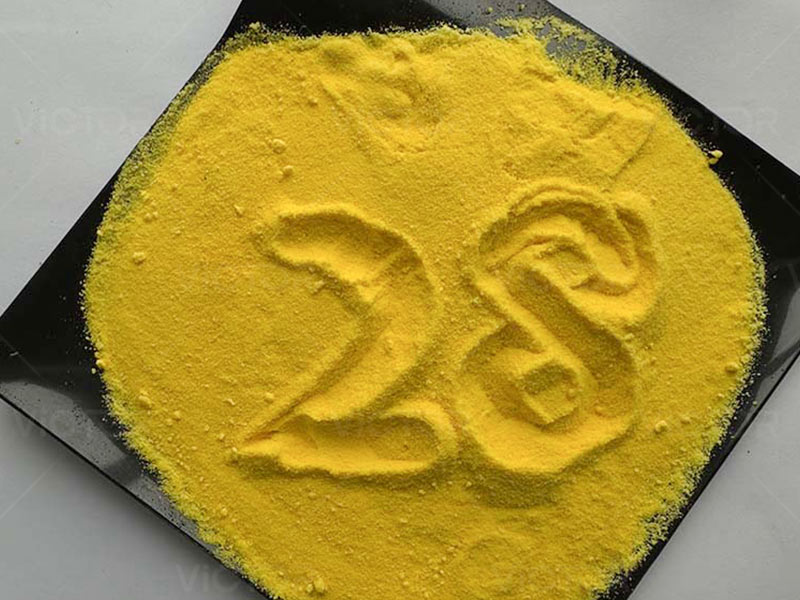
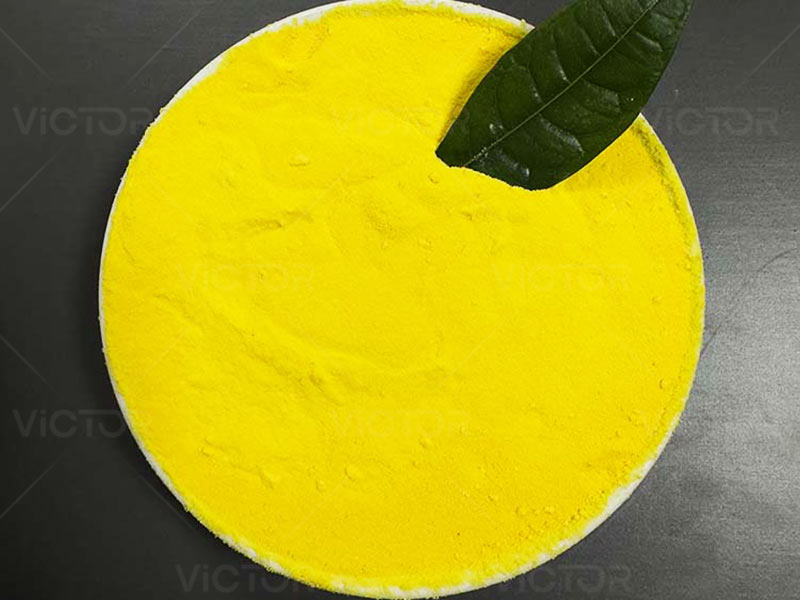
It is important to note that the application scope of polyaluminium chloride is now remarkably extensive. Consequently, numerous polyaluminium chloride products exist, with varying degrees of quality. In terms of colour, polyaluminium chloride may appear
Against the backdrop of contemporary development, the water treatment industry has garnered increasing attention. Victor polyacrylamide has consequently come to the fore. However, due to varying levels of understanding regarding polyacrylamide, many find
olyacrylamide is currently one of the most widely used water treatment chemicals in China's water purification sector. Numerous varieties have been developed for treating wastewater across different industries: cationic polyacrylamide, anionic polyacryla