


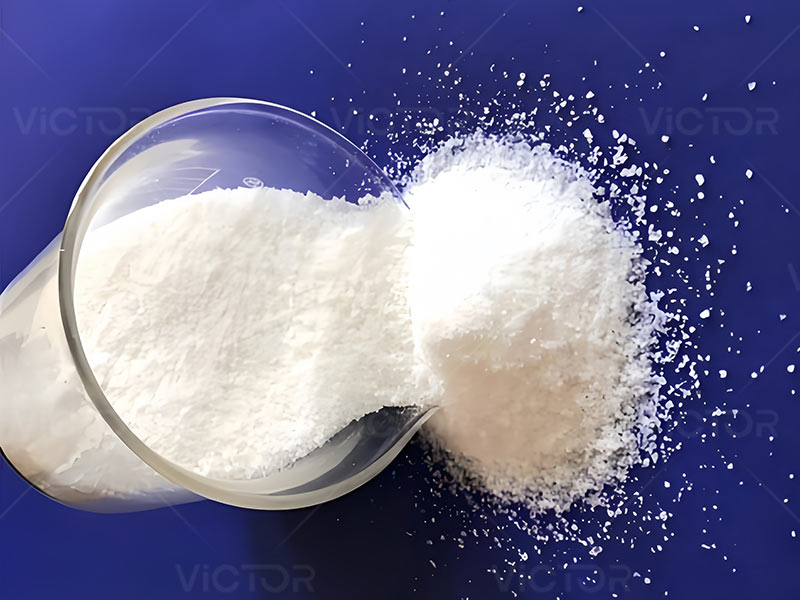
When polyacrylamide is mentioned, many may recall its use in water purification. However, composite ionic polyacrylamide may leave some rather perplexed. What exactly is it? What functions does it serve? Let Victor Polyacrylamide explain.
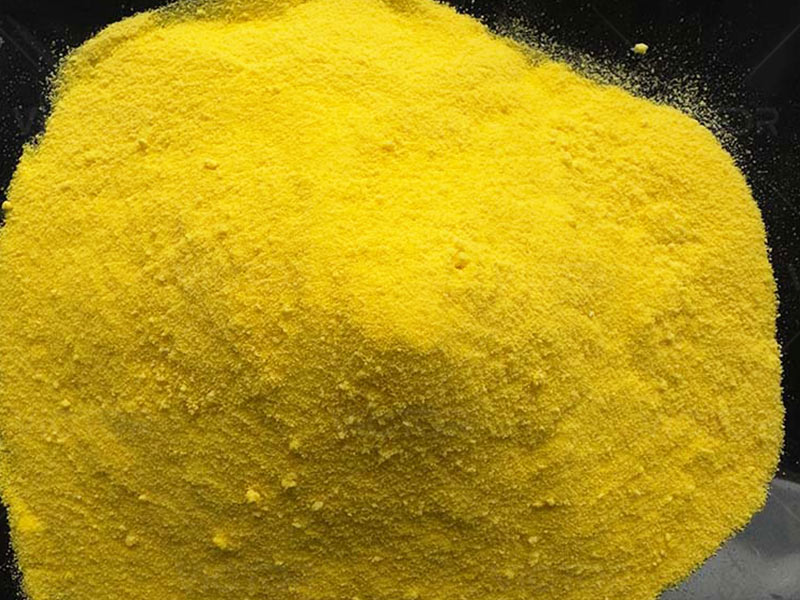
Within the water purification industry market, polyaluminium chloride agents are frequently exported overseas. Naturally, countries exporting polyaluminium chloride stipulate stringent technical specifications, including the aluminium oxide content, water
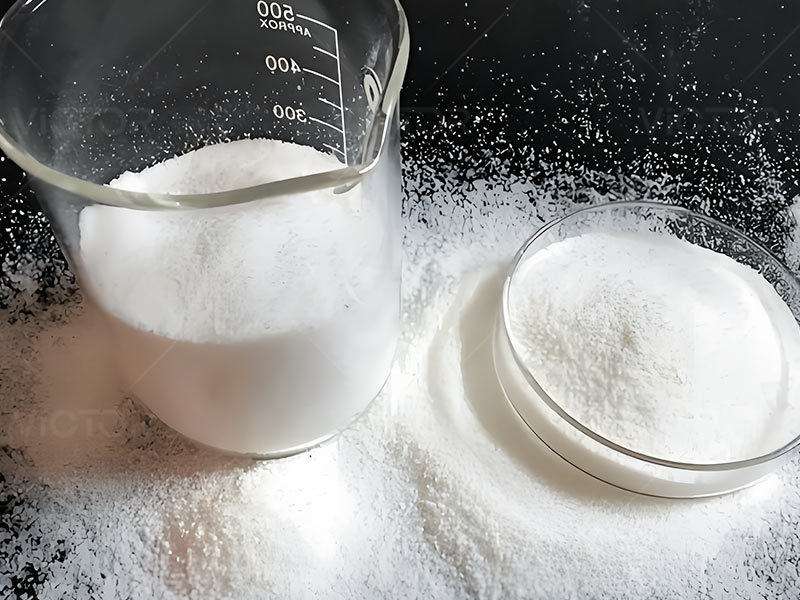
Polyacrylamide exists in numerous varieties. What distinguishes anionic polyacrylamide from cationic polyacrylamide? Both are high-molecular-weight polymers. In wastewater treatment, they are commonly employed as flocculants. Those new to the water purifi
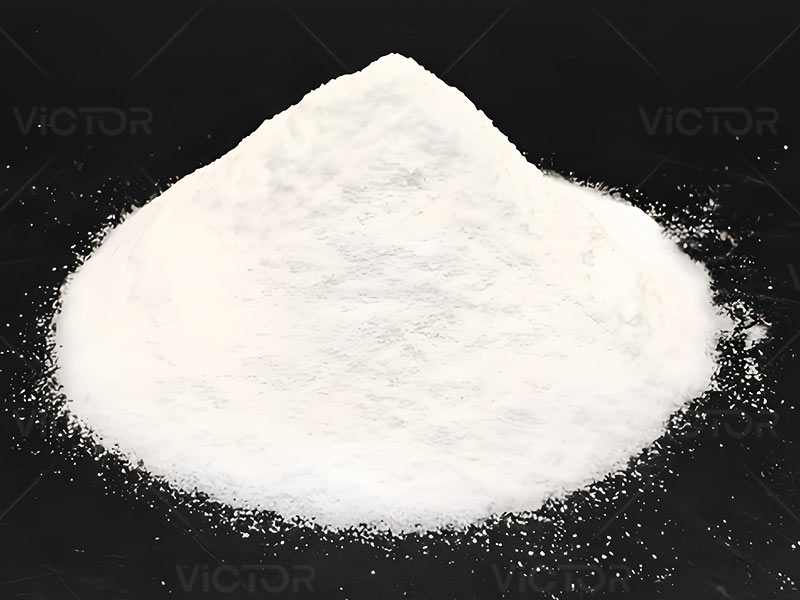
When polyacrylamide is mentioned, one imagines most are already familiar with this chemical agent. It belongs to the category of high-molecular-weight inorganic polymers, with types including anionic, cationic, non-ionic, and amphoteric varieties.
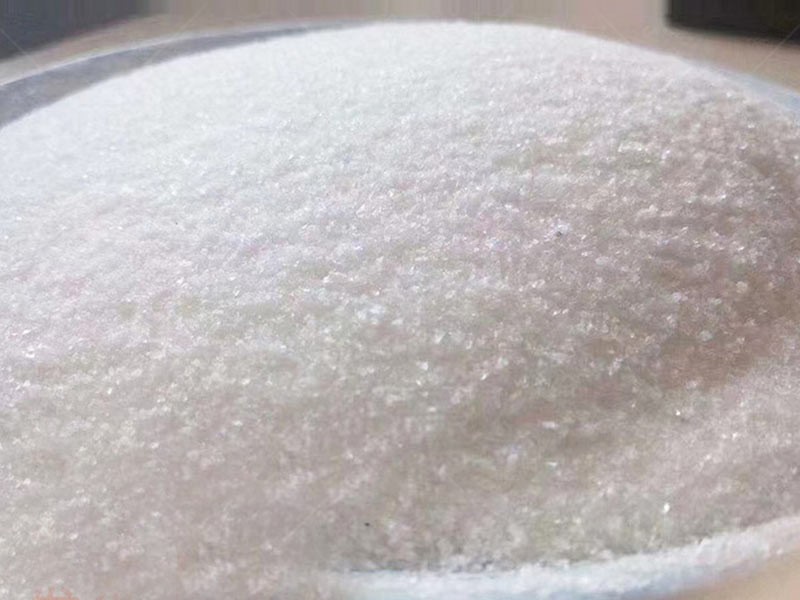
Water purification has developed numerous specialised water treatment agents tailored to specific sectors within the water purification industry. Today we present: polyacrylamide specifically formulated for coal washing plants, referred to within our fact
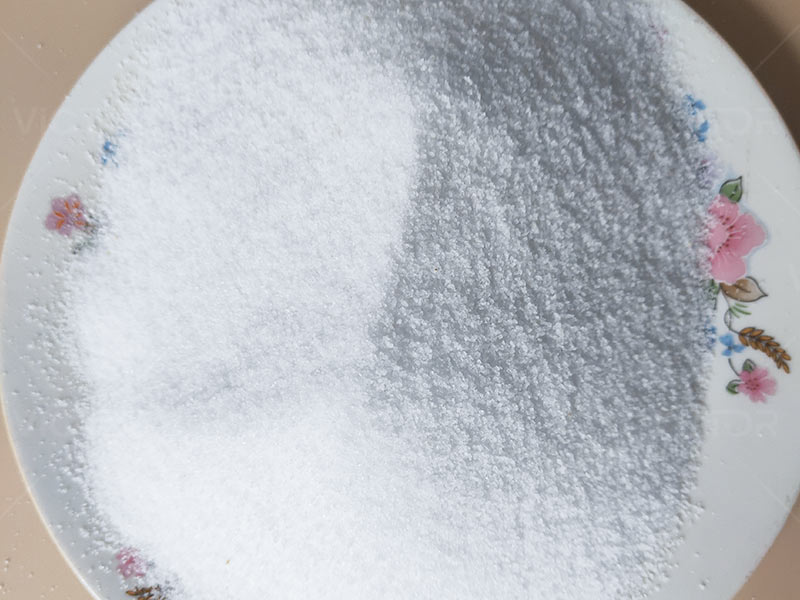
Numerous polyacrylamide manufacturers are based in the Central Plains region, with hundreds of production facilities located there. So, when purchasing polyacrylamide, how should we select a manufacturer? Essentially, it comes down to: product quality...
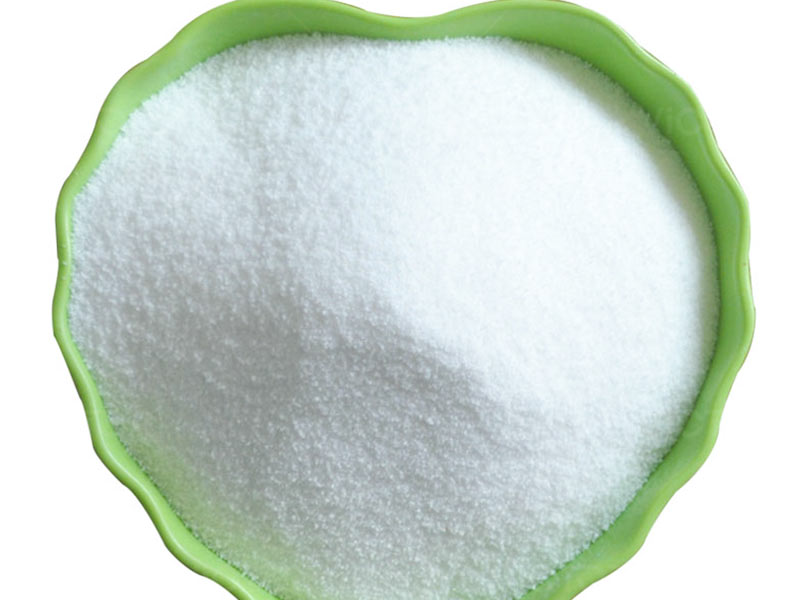
The two most widely used products in the water purification industry are undoubtedly polyacrylamide and polyaluminium chloride. In the field of industrial wastewater treatment, sewage often contains numerous impurities and harmful substances, making water
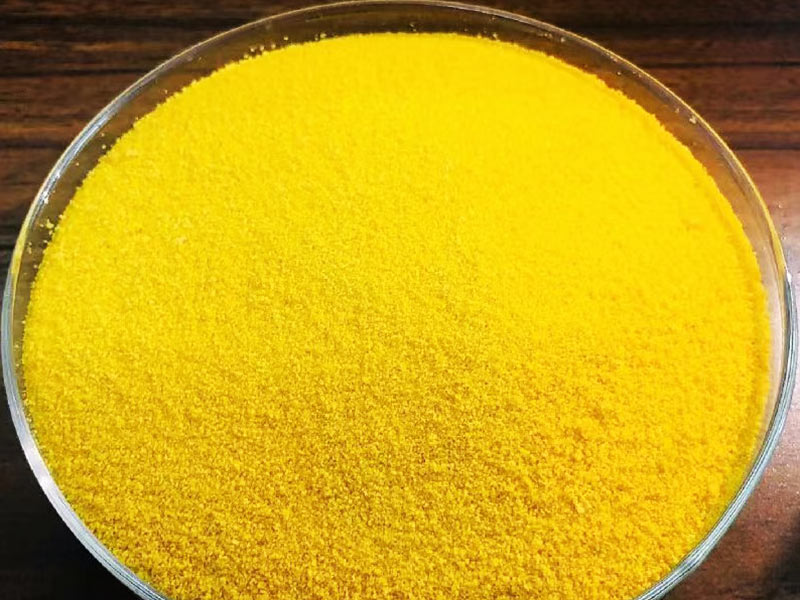
Although both polyaluminium chloride and polyaluminium ferric chloride are types of water purification agents, they are distinct substances when considered purely from their nomenclature. They differ in their raw materials and production processes. Conseq
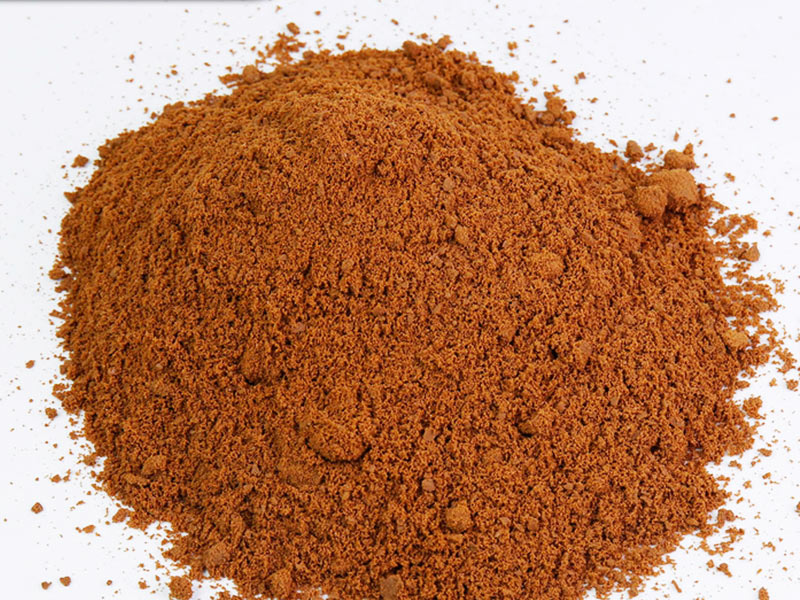
In the water treatment process, polyaluminium chloride is a commonly used water purification chemical. Its application techniques have gradually matured over time. However, with industrial development, the quality of wastewater has undergone certain chang
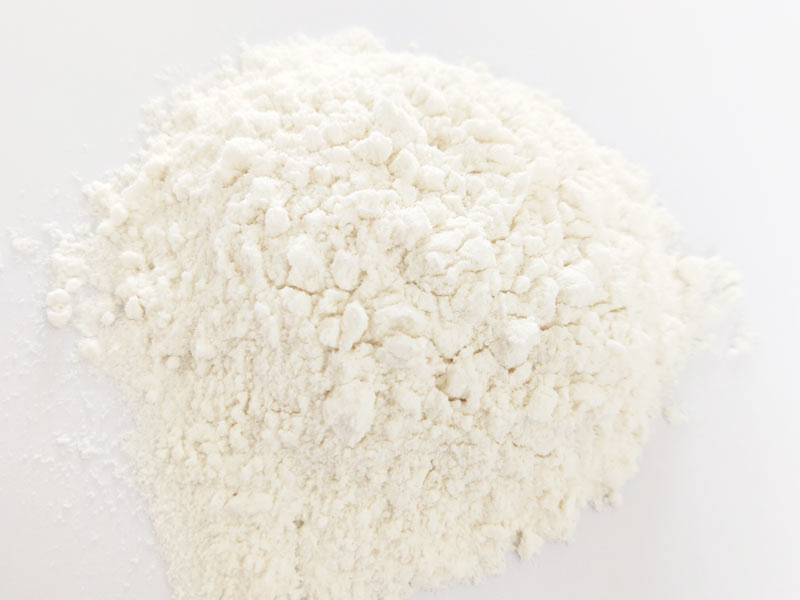
Polyacrylamide frequently serves multiple purposes in oilfield drilling operations: regulating profile and blocking water ingress, acting as a displacement agent, and functioning as a drilling fluid thickener. It enhances crude oil extraction efficiency a
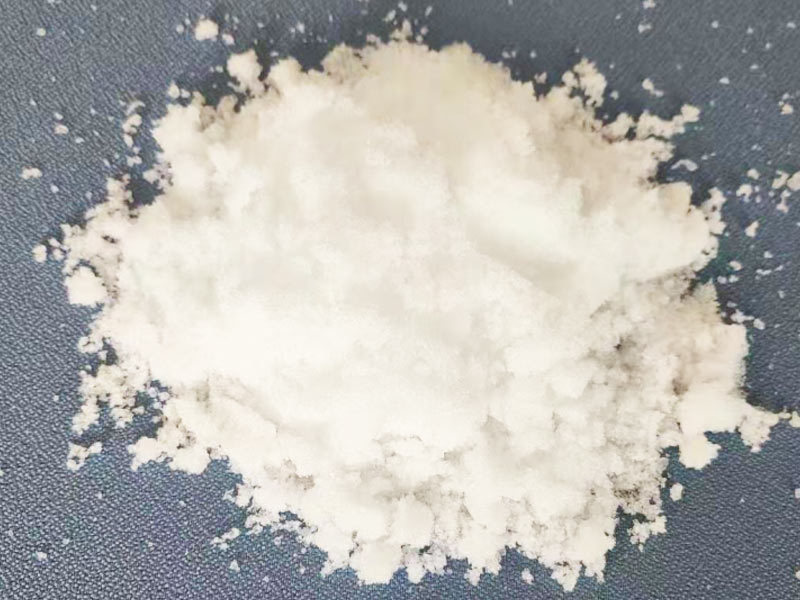
Polyacrylamide is commonly employed as a flocculant within the water purification sector. Another prevalent application is as a sludge dewatering agent. The quality of polyacrylamide directly influences the moisture content of the resulting sludge. It is
Polyacrylamide is a commonly employed chemical agent in wastewater treatment. It demonstrates excellent purification efficacy across diverse sewage streams. Acidic wastewater frequently arises in industries such as beverage production...
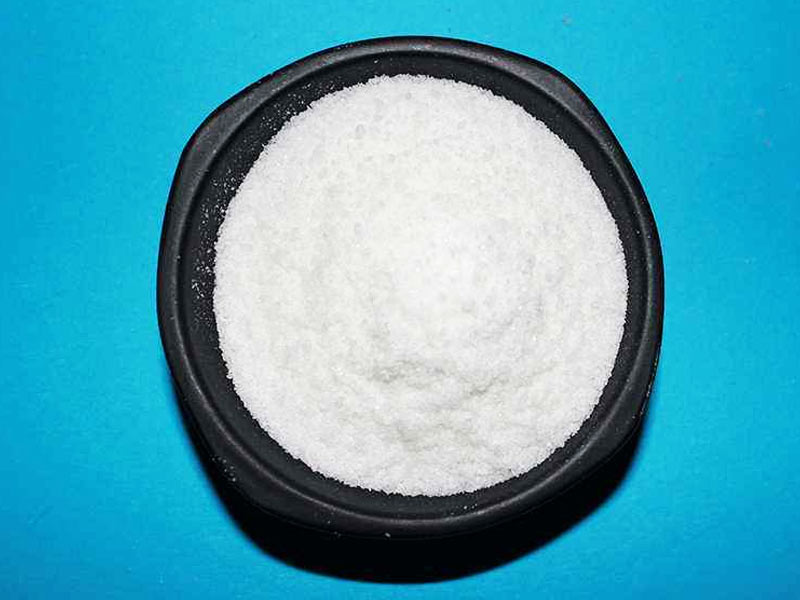
Polyacrylamide treatment of leather wastewater: Leather production generates substantial volumes of effluent characterised by high concentration, strong alkalinity, elevated oxygen demand, and significant suspended solids. The processing also involves the
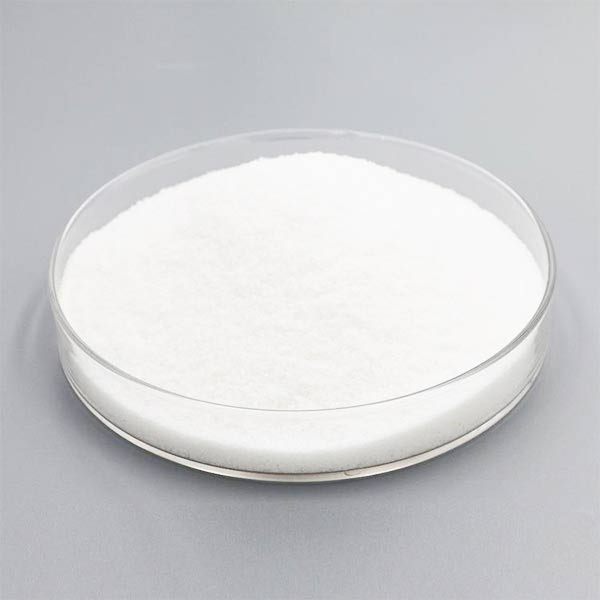
Polyacrylamide, known as PAM in English, is a term well-known to professionals in the water purification industry. It is a high molecular weight polymer widely employed in numerous wastewater treatment processes. Its applications span mineral processing..
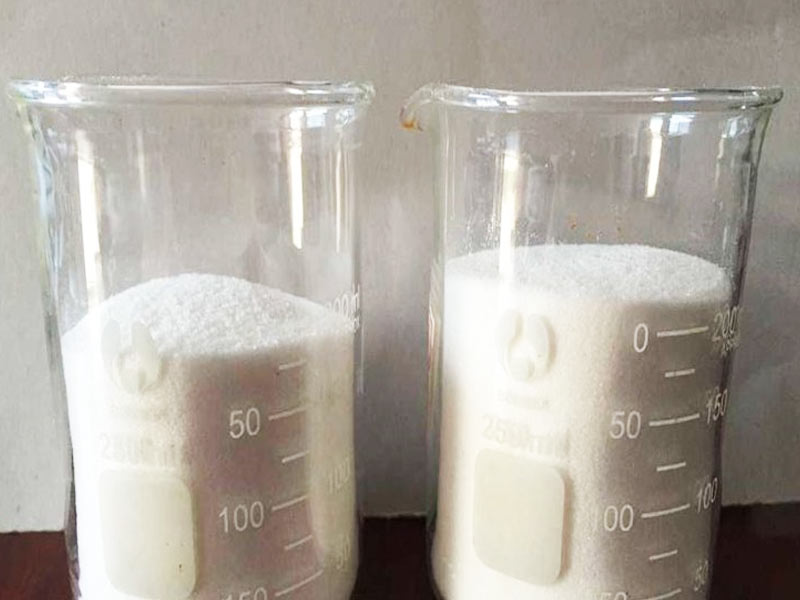
Concerning polyacrylamide. A question frequently posed by clients is: How much polyacrylamide should be added per tonne of wastewater? What solution ratio should be used to achieve optimal water purification results?