Polyaluminium chloride is a high-molecular-weight inorganic coagulant. Particularly that produced by VICTOR. Tap water treated with it meets all national standards for domestic water purification as specified in the 2009 National Drinking Water Purification Specifications.
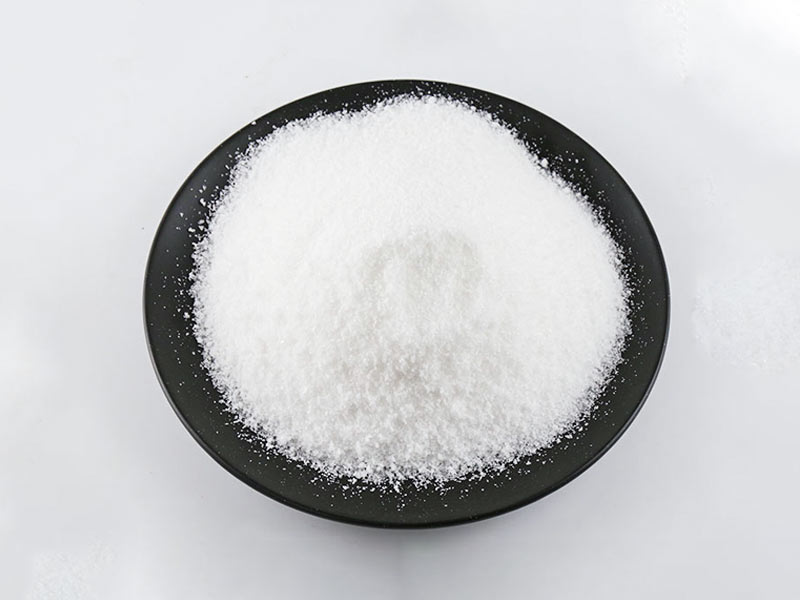
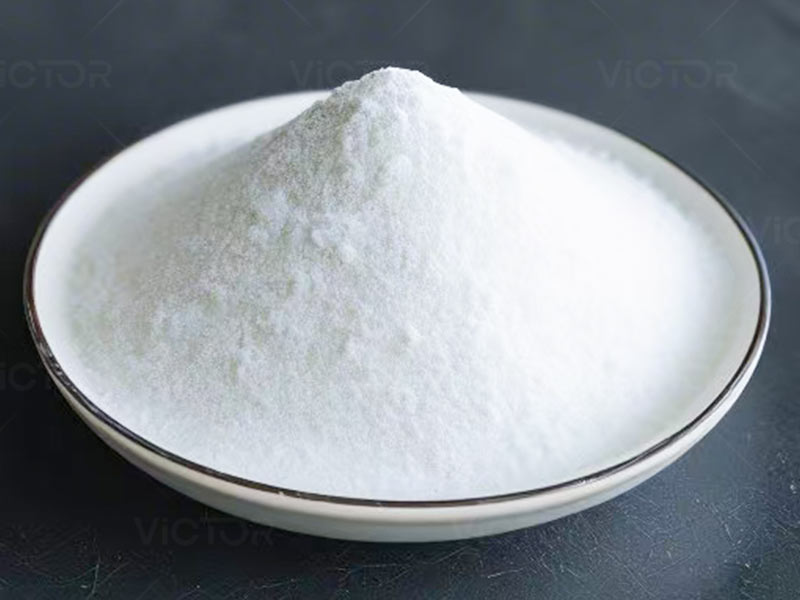
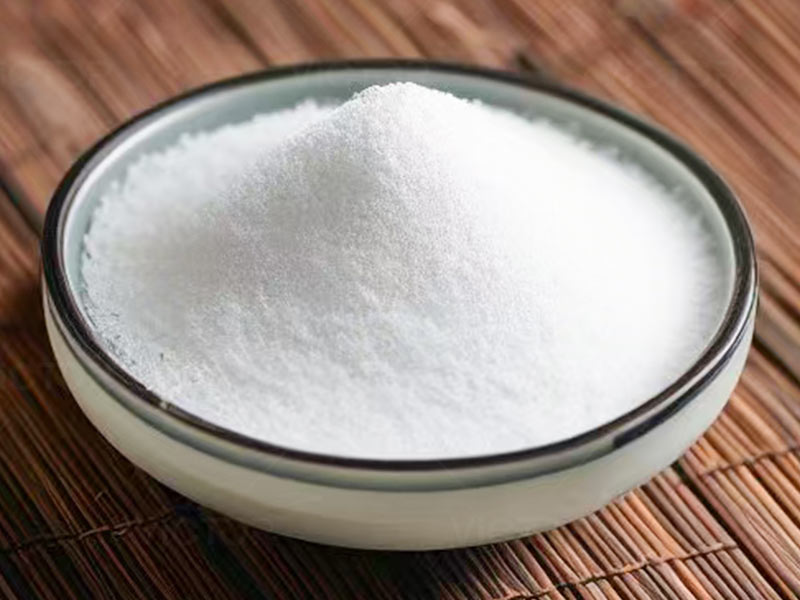
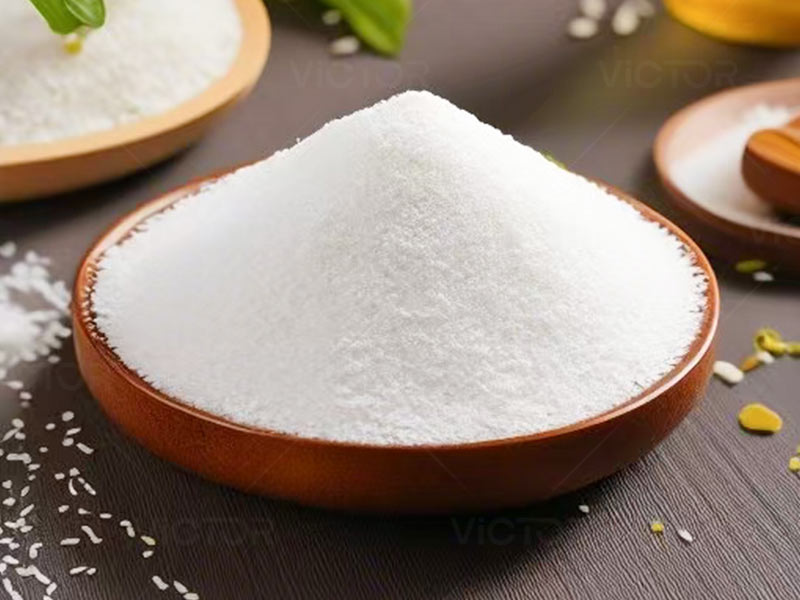
Visually, polyaluminium chloride appears as a yellow, pale yellow, or yellowish-white powder. As an inorganic coagulant, it is a low-molecular-weight crystalline salt. Its structure comprises diverse polycarboxylate complexes. It exhibits rapid flocculation and sedimentation, operates effectively across a broad pH range, is non-corrosive to pipelines and equipment, delivers pronounced water purification effects, and efficiently removes colourants and various heavy metal ions from water.
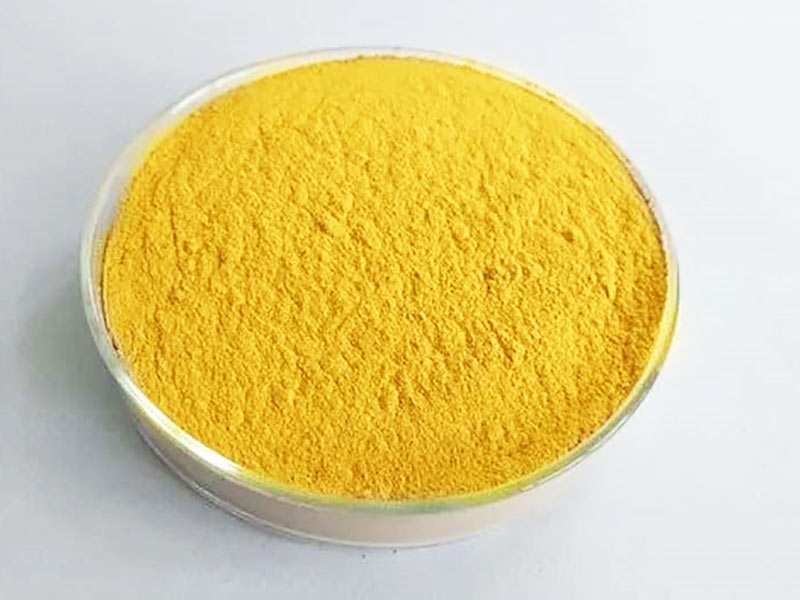
What then is Polysulphate Iron? Below we shall elaborate using the properties of VICTOR Company's Polysulphate Iron. Polyferric sulphate is a superior inorganic polymeric coagulant. Visually, it appears as a pale yellow, amorphous powdered solid, bearing a strong resemblance to polyaluminium chloride in appearance. However, unlike the colour variations seen in polyaluminium chloride, polyferric sulphate dissolves readily in water, forming a reddish-brown, transparent solution. It exhibits strong hygroscopic properties. Polyferric sulphate is extensively employed in the purification of drinking water, industrial water, various industrial effluents, municipal sewage, and sludge dewatering. It is not suitable for use as a retention agent. It should not be utilised in heavy metal industries such as papermaking, textile dyeing, or petroleum extraction. Its application is strictly limited to water purification and clarification. Polyaluminium chloride possesses a broader scope of application than polyferric sulphate.
Compared to the advantages of ferric sulphate polymer, polyaluminium chloride exhibits distinct characteristics. The water quality it purifies surpasses that of ferric sulphate polymer, with purification costs 15–30% lower. It forms flocs rapidly and settles quickly. Its treatment capacity exceeds that of traditional products like aluminium sulphate. It consumes less alkalinity in water than any inorganic flocculant, thereby eliminating or reducing the need for alkaline agents. It achieves coagulation across a wide source water pH range of 5.0–9.0. It exhibits low corrosion potential towards water treatment equipment and offers favourable operating conditions. It causes minimal increase in treated water salinity, benefiting ion exchange processes and high-purity water production. Its adaptability to source water temperatures surpasses that of ferric sulphate, as polyaluminium chloride remains effective even in cold water. Polyferric sulphate possesses a high melting point, requiring heating to approximately 190°C for dissolution. Consequently, polyaluminium chloride demonstrates greater potential for reducing water treatment costs, thereby enhancing economic efficiency for enterprises.