

Newstime:2026-03-19 Source:Polyacrylamide
In current wastewater treatment processes, both polyaluminium chloride and activated carbon are employed. But what exactly distinguishes these two substances? As a user, would you opt for activated carbon or polyaluminium chloride for water treatment? Let us examine this today.
When undertaking water treatment, polyaluminium chloride is typically the preferred choice. Activated carbon, however, also presents a viable alternative. Within current industrial wastewater treatment processes, activated carbon can be categorised based on its raw material source, including coal-based activated carbon, wood-based activated carbon, and shell-based activated carbon, amongst others.
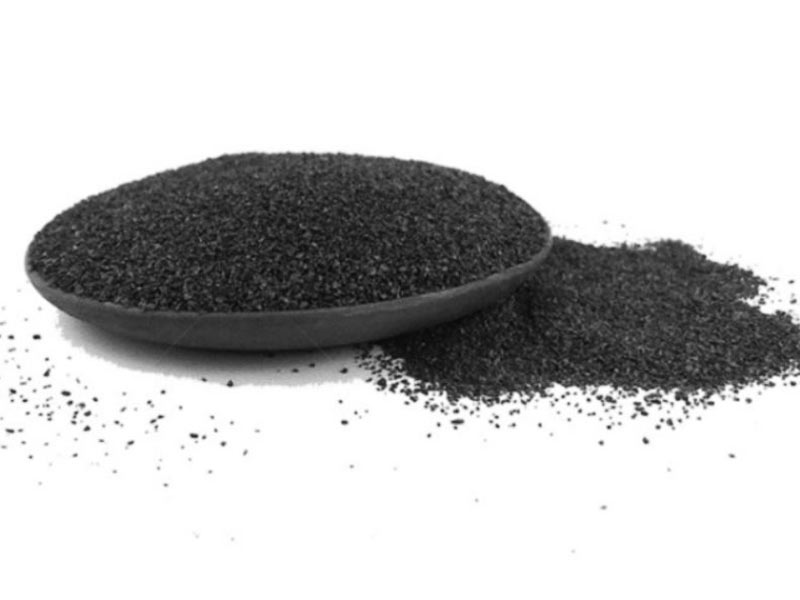
Different types of activated carbon serve distinct purposes. Coal-based activated carbon, produced from high-quality raw coal, finds extensive application in wastewater treatment and purification within sectors such as petrochemicals. Wood-based activated carbon, manufactured from wood chips and similar materials, is primarily employed in processes like desulphurisation in coking plants. Where coal-based activated carbon fails to meet specific process requirements, wood-based alternatives can effectively fulfil these conditions. Coconut shell activated carbon, utilising materials like coconut shells and apricot pits, is chiefly employed in drinking water purification and the treatment of industrial hazardous exhaust gases. It has gained recognition as a formidable formaldehyde remover and is extensively utilised in air purification applications.
Activated carbon effectively adsorbs pollutants from water and air, delivering excellent results in water and air purification. Through adsorption, activated carbon effectively removes stubborn trace contaminants. It simultaneously eliminates odours, decolours substances, removes heavy metals, and adsorbs numerous organic compounds. It is an indispensable product for wastewater purification. Activated carbon typically comes in powdered or granular forms. Powdered activated carbon is often used in conjunction with polyaluminium chloride. Granular activated carbon is frequently housed in containers for use as a water purification filter medium. For advanced wastewater treatment, granular activated carbon is required. Given its broad applicability, its efficacy varies across different fields. For instance, during World War II, activated carbon was utilised in gas masks. In municipal water treatment, it serves to deodorise and purify water. Within households, it aids in air purification by removing harmful substances. Precisely because of its increasingly extensive applications, activated carbon is being adopted and utilised by a growing number of enterprises.
The link to this article is: https://www.polyacrylamidepam.com/know/the-advantages-of-activated-carbon-in-water-purification.html
Copyright: Please credit the source when reproducing this content.2026-04-03
2026-04-02
2026-04-02
2026-03-22
2026-03-22