

Newstime:2026-03-21 Source:Polyacrylamide
It is now widely recognised that the paper industry constitutes one of the primary sources of industrial pollution. This stems from the substantial water consumption inherent in paper production processes. The volume of wastewater generated by this sector accounts for approximately one-tenth of the nation's total industrial effluent. How, then, should wastewater from the paper industry be treated to meet national discharge standards?
Neglecting proper purification procedures for paper mill wastewater can lead to excessive use of polyaluminium chloride. This not only fails to achieve the desired effect but also exacerbates environmental pollution. Therefore, polyaluminium chloride must be applied according to the specific characteristics of the wastewater, with regular monitoring of usage to adjust the dosage of the product accordingly.
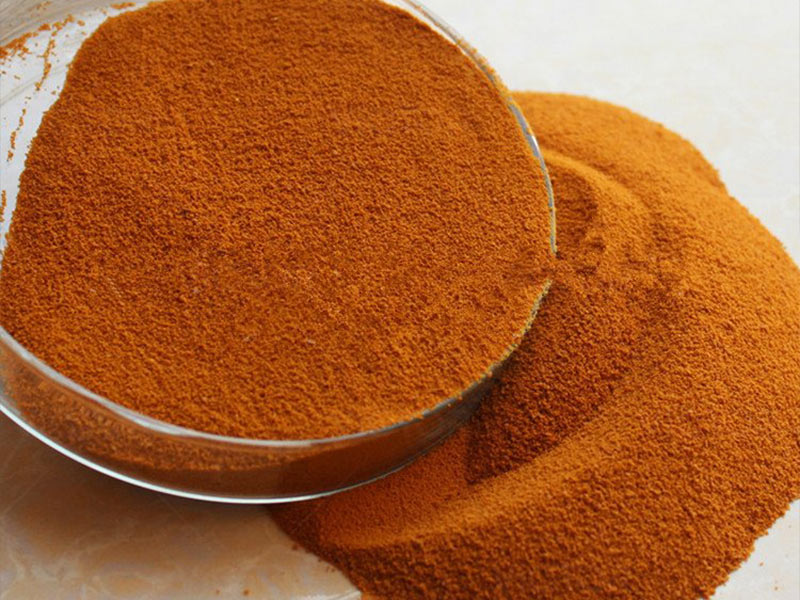
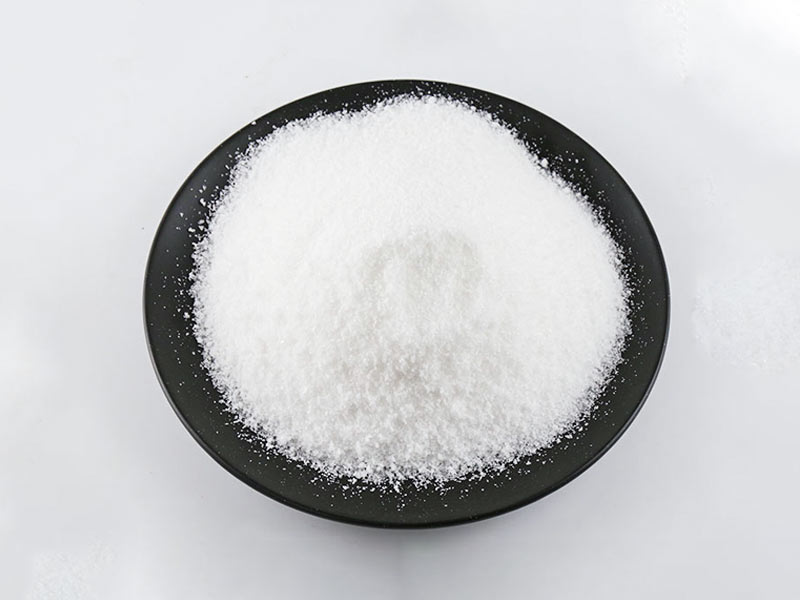
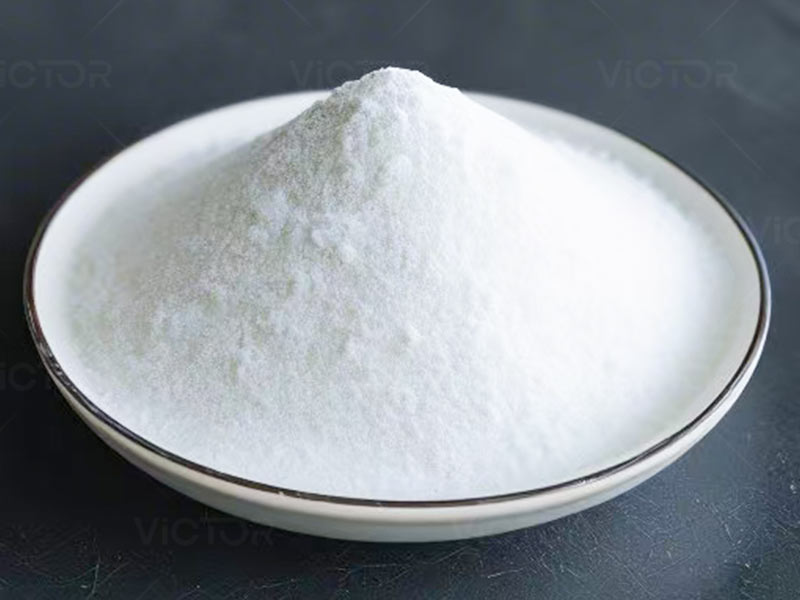
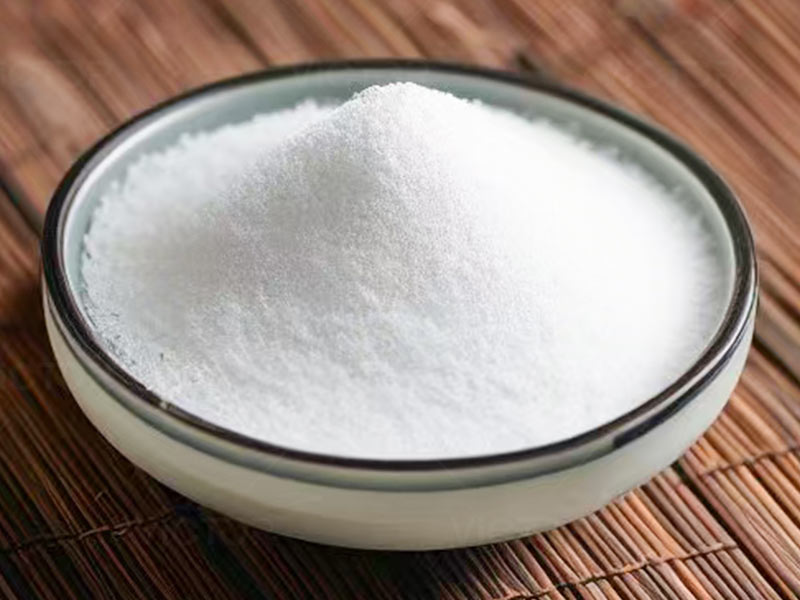
What pollutants are present in paper industry wastewater? Suspended solids, which include settleable and non-settleable particles. Primarily fibres and fibrous impurities, alongside various toxic substances and acidic/alkaline contaminants. These necessitate specialised polyaluminium chloride products for purification. Polyaluminium chloride is a highly effective inorganic water treatment chemical. Available in solid and liquid forms, it must first be dissolved in water at a 1:3 ratio to create a liquid solution. This solution is then diluted with clean water before being applied at the concentration required for the paper mill's wastewater treatment process. The dosage should be determined based on the turbidity of the raw water to achieve optimal treatment. Generally, the dosage of polyaluminium chloride per thousand tonnes of water ranges from 10 to 20 kilograms.
Throughout the papermaking process, pH levels fluctuate continuously—shifting from acidic to neutral and then alkaline—while the degree of white water containment steadily increases. This trend exacerbates anion impurity issues within pulp. Failure to address these promptly may compromise paper quality. Polyaluminium chloride, inherently possessing a high positive charge, effectively removes such impurities by causing anionic contaminants to precipitate onto fibres. This approach mitigates the disruptive effects of anionic impurities within the pulp while significantly improving drainage properties. Concurrently, polyaluminium chloride adsorbs onto fibre surfaces, retaining finer fibres within the paper sheet structure. Consequently, when employing polyaluminium chloride for wastewater purification in papermaking, preliminary trials to determine optimal dosage are essential for achieving satisfactory results.
The link to this article is: https://www.polyacrylamidepam.com/know/how-is-polyaluminium-chloride-applied-in-the-papermaking-industry.html
Copyright: Please credit the source when reproducing this content.2026-06-14
2026-06-11
2026-06-09
2026-04-11
2026-04-10