VICTOR's
polyacrylamide and polymeric ferric sulphate are both employed as water purification agents in wastewater treatment. What distinguishes them? As practitioners in wastewater treatment, how should we select between polyacrylamide and polymeric ferric sulphate?
Compared to polyacrylamide, an organic linear polymer flocculant, polyferric sulphate is a superior inorganic polymer coagulant. It presents as a pale yellow, amorphous powdered solid, readily soluble in water. Its aqueous solution forms a reddish-brown, transparent liquid with hygroscopic properties. Polyferric sulphate is also extensively employed in the purification treatment of drinking water, industrial water, various industrial effluents, municipal sewage, and sludge dewatering.
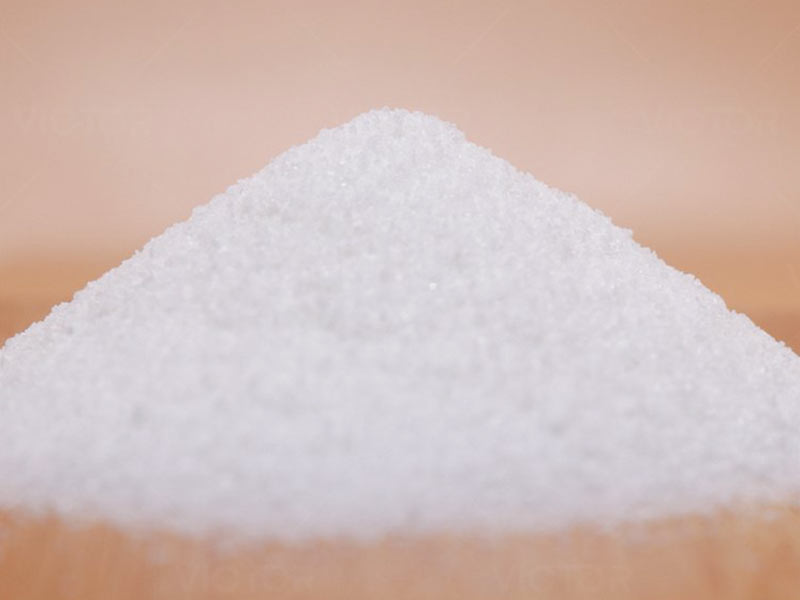
Polyferric sulphate represents a novel, high-quality, and highly efficient iron salt-based inorganic polymer flocculant developed in recent years. It demonstrates excellent efficacy in water purification applications, yielding treated water of superior quality. The treated water is free from harmful substances such as aluminium, chlorine, and heavy metal ions, and exhibits no transfer of iron ions to the water. Non-toxic and harmless, it is safe and reliable, demonstrating remarkable efficacy in turbidity removal, decolourisation, oil separation, dewatering, disinfection, and the elimination of heavy metal ions from water.
Compared to other organic flocculants, polyferric sulphate exhibits numerous distinctive characteristics. As a novel, high-quality, and highly efficient iron salt-based inorganic polymer flocculant, It exhibits excellent coagulation properties, forming dense flocs with rapid settling rates. Polyferric sulphate delivers superior water purification, yielding high-quality water free from harmful substances such as aluminium, chlorine, and heavy metal ions. It also prevents the transfer of iron ions into the aqueous phase, being non-toxic, harmless, safe, and reliable. It is effective across a wide pH range of 4 to 11. However, optimal purification is achieved within the pH range of 6 to 9. Post-treatment, minimal fluctuations occur in the raw water's pH and total alkalinity.
It exhibits low corrosivity towards treatment equipment. Polysulphate iron demonstrates remarkable efficacy in purifying slightly polluted, algal-laden, low-temperature, low-turbidity raw water, with particularly outstanding results for high-turbidity sources. Its dosage requirements are exceptionally low during application, resulting in low operational costs and potential savings of 20%-50%. This effectively enhances economic benefits, explaining its widespread adoption in contemporary water treatment processes. Nevertheless, its efficacy in water treatment remains somewhat limited. To achieve optimal results, it is advisable to combine polyferric sulphate with polyacrylamide products during treatment.