We are all aware of the extensive applications of
polyacrylamide. It finds widespread use across numerous sectors including oil extraction, mineral processing, coal washing, metallurgy, chemical engineering, papermaking, textiles, sugar production, pharmaceuticals, environmental protection, building materials, and agricultural production. Current research and development has revealed an ever-increasing range of applications for polyacrylamide. Today, we shall discuss how Zeseng's polyacrylamide products are utilised within the papermaking industry.
Within papermaking mills, polyacrylamide is specifically employed across the papermaking sector. It is widely used as a retention aid, filtration aid, uniformity agent, and water treatment chemical. Victor's polyacrylamide products enhance paper quality by improving pulp dewatering performance, increasing retention rates of fine fibres and fillers, reducing raw material consumption, and minimising environmental pollution. Its effectiveness in papermaking depends on average molecular weight, ionic properties, ionic strength, and the activity of other copolymers. Non-ionic polyacrylamide is primarily employed to improve pulp filterability, increase dry paper strength, and enhance retention rates of fibres and fillers. Anionic copolymers are chiefly used as dry and wet strength agents and retention aids for paper. Cationic copolymers are predominantly applied in paper mill wastewater treatment and as filtration aids, while also demonstrating favourable effects on filler retention. Moreover, polyacrylamide products are concurrently applied in paper mill wastewater treatment and fibre recovery.
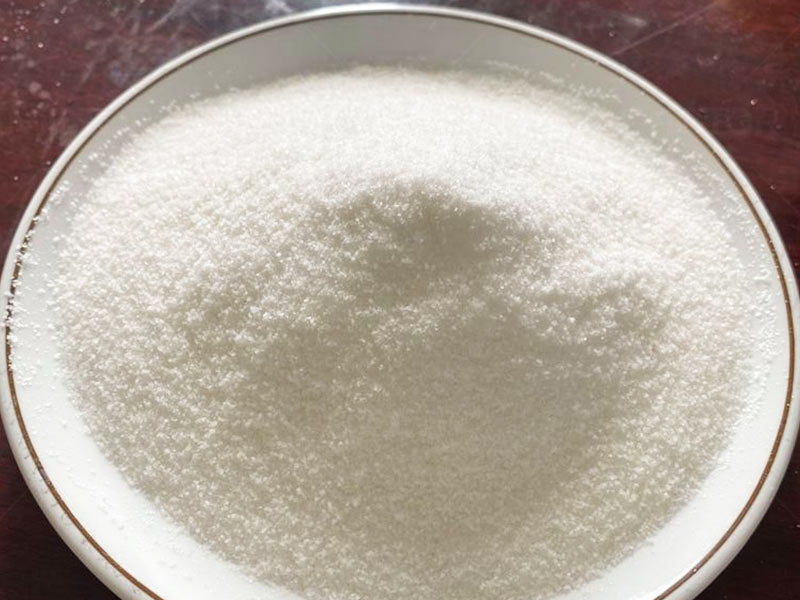
It is understood that wastewater generated by paper mills is characterised by substantial volumes, high colour intensity, significant suspended solids content, and elevated organic matter concentrations. Treatment of production effluent generally focuses on removing suspended solids and oxidisable substances. Commonly employed methods for treating paper mill wastewater include flotation, sedimentation, and integrated physicochemical and biological treatment processes. When employing flotation or sedimentation methods, the addition of polyaluminium chloride and coagulation aids can remove the majority of suspended solids. This approach also effectively eliminates most non-dissolved oxides and a portion of dissolved oxides.
For paper mills, anionic polyacrylamide with a molecular weight exceeding 15 million generally yields optimal results. Nevertheless, it is advisable to conduct preliminary trials for selection prior to use to determine the appropriate degree of hydrolysis for your wastewater characteristics. Should a combined physicochemical and biological treatment approach be adopted, cationic polyacrylamide will be required.