The advancement of our times has led to a growing emphasis on environmental protection. Consequently,
activated carbon has come to the fore as an effective aid in air purification. This material encompasses numerous classifications, including coal-based activated carbon, granular activated carbon, shell-based activated carbon, and coconut shell-based activated carbon, among others. With such variety available, today we shall focus specifically on coal-based activated carbon, examining how to avoid being misled when purchasing it.
Coal-based activated carbon is manufactured from high-quality anthracite coal. It presents as black granular particles, featuring highly developed porosity and strong adsorption capacity. It also exhibits good mechanical strength and chemical stability, making it durable. However, since most activated carbon appears as black granules, it is essential to know how to distinguish genuine from counterfeit products when purchasing. This ensures you acquire authentic, high-quality goods. So, how does one identify the authenticity and quality of coal-based activated carbon?
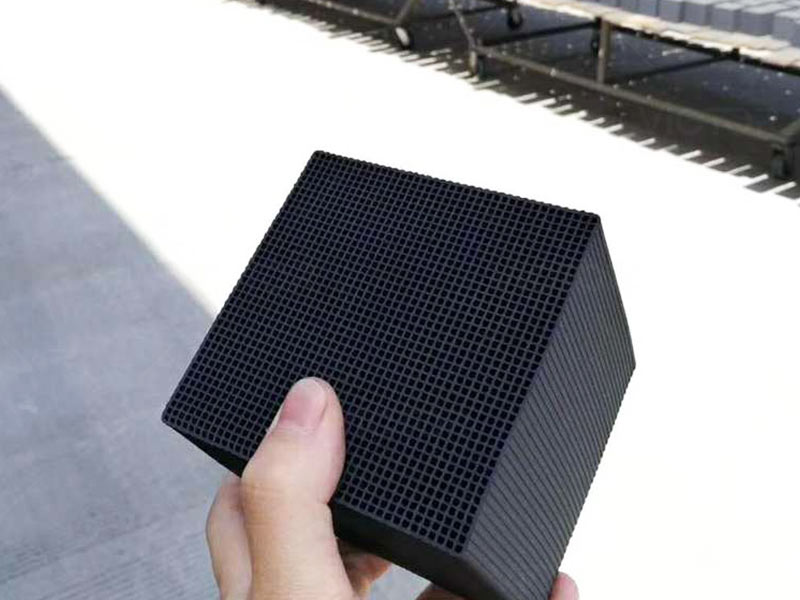
Examine the density: Coal-based activated carbon possesses numerous pores, indicating potent adsorption properties. Consequently, its density tends to be lower, resulting in a lighter feel. Observe the bubbles: This is a relatively straightforward method of identification. When a small handful is placed in water, it should produce a continuous stream of fine bubbles forming a delicate trail, accompanied by a hissing sound. The more vigorous and prolonged this reaction, the better the adsorption capacity and quality of the activated carbon. Testing the iodine value is crucial, as this serves as the primary indicator for assessing coal-based activated carbon. A higher iodine value correlates with superior quality and performance. However, iodine value testing is typically conducted by professional laboratories, as achieving standardised results through personal testing is challenging. Consider other indicators: genuine coal-based activated carbon contains minimal impurities, possesses a large specific surface area, and exhibits excellent adsorption capacity alongside durability. These characteristics are key features of coal-based activated carbon and form the basis for authenticating its quality.
The above points represent key considerations when purchasing coal-based activated carbon. Given the mixed quality prevalent in the market, it is advisable to familiarise oneself with identification methods to effectively avoid being misled into purchasing counterfeit products. This prevents significant compromises in performance outcomes.