


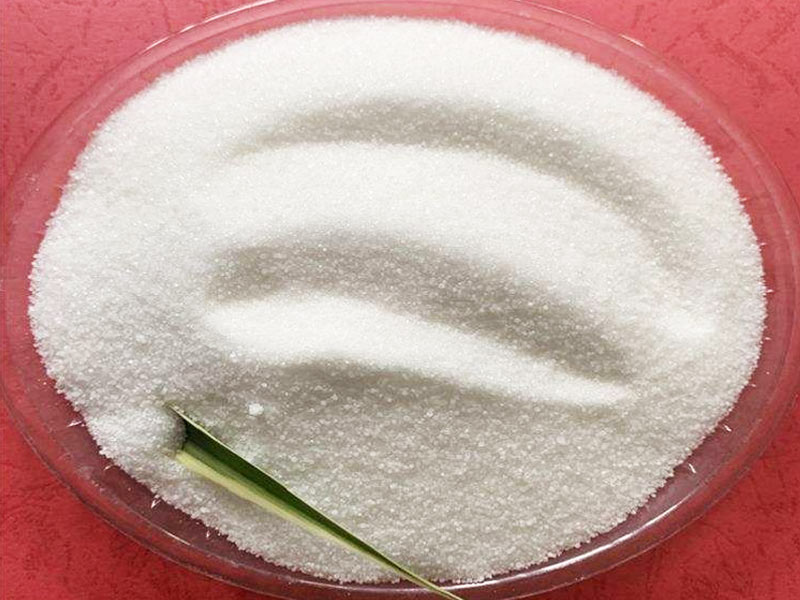
Polyacrylamide finds application across a broad spectrum of industries. Today we shall explore one such application: the role of polyacrylamide flocculants in enhancing concrete properties.
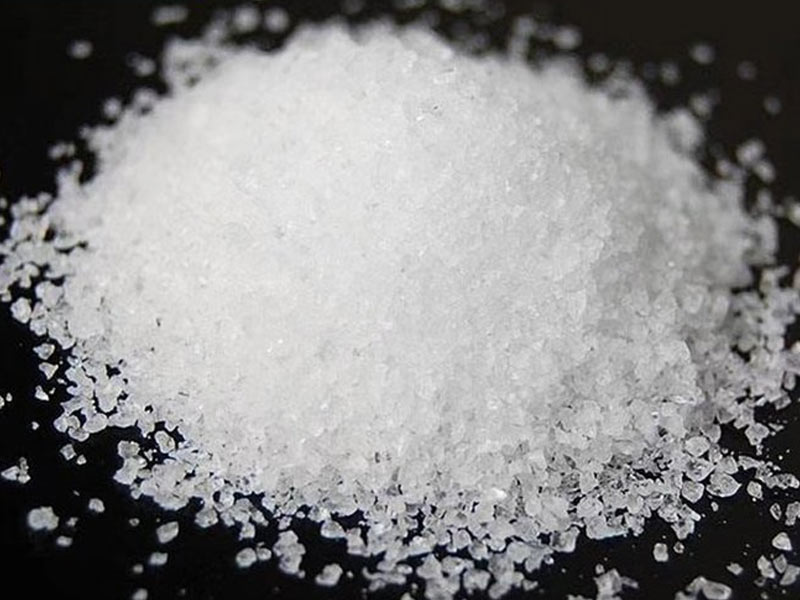
Currently, the usage of polyacrylamide in the water treatment chemical market continues to rise. To enhance user convenience, numerous manufacturers have developed and produced various types of polyacrylamide.
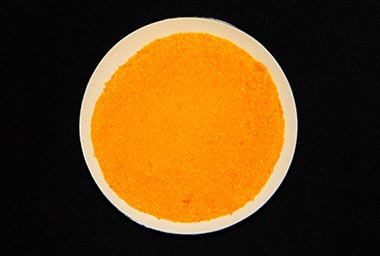
Polyaluminium Chloride, also known as PAC, is currently one of the most widely used water purification agents in China. It comes in various concentrations: 24%, 26%, 28%, 30%, high-purity white PAC, industrial grade, drinking water grade, food grade, and
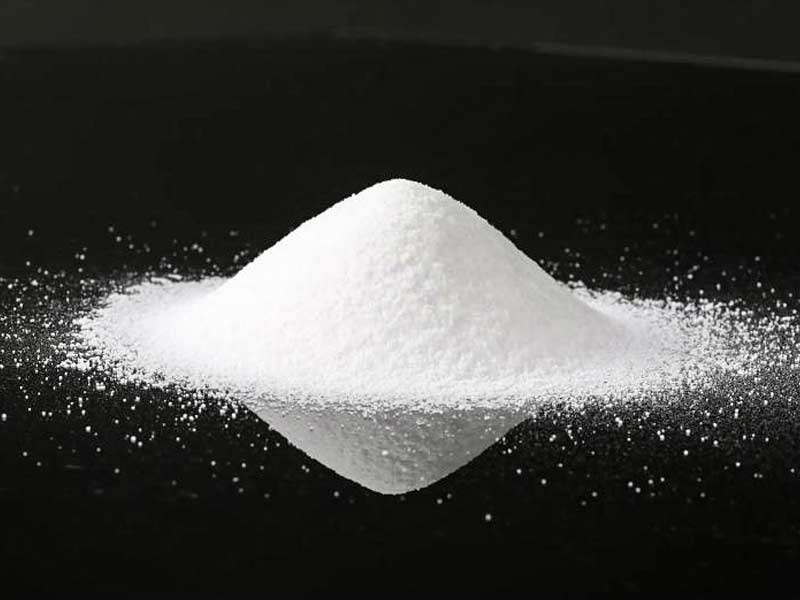
Polyacrylamide is a widely used polymeric flocculant in the domestic water purification market, frequently employed as a coagulant aid. The raw material for polyacrylamide is derived from polyacrylonitrile. Under specific conditions, polyacrylonitrile und
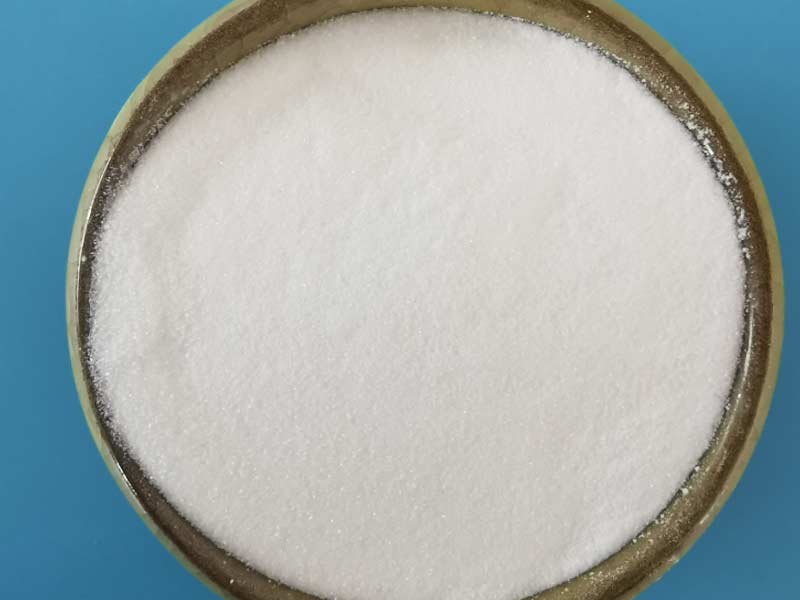
Frequently, we receive feedback from clients that other manufacturers consistently make errors when selecting polyacrylamide types. This results in wasted expenditure without achieving the desired water purification outcomes.
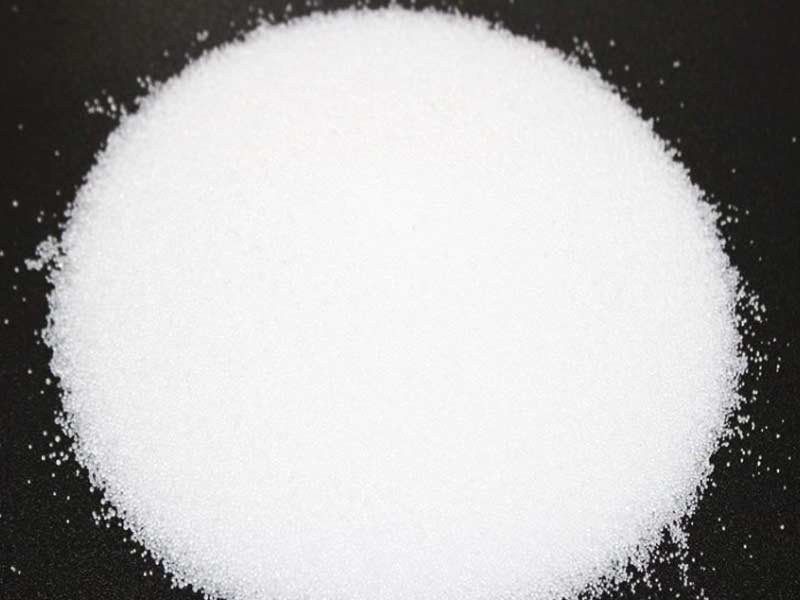
For those familiar with the water treatment industry, both non-ionic polyacrylamide and anionic polyacrylamide are likely well-known. Some customers may then ask: under what circumstances should non-ionic be used for wastewater treatment? When should anio
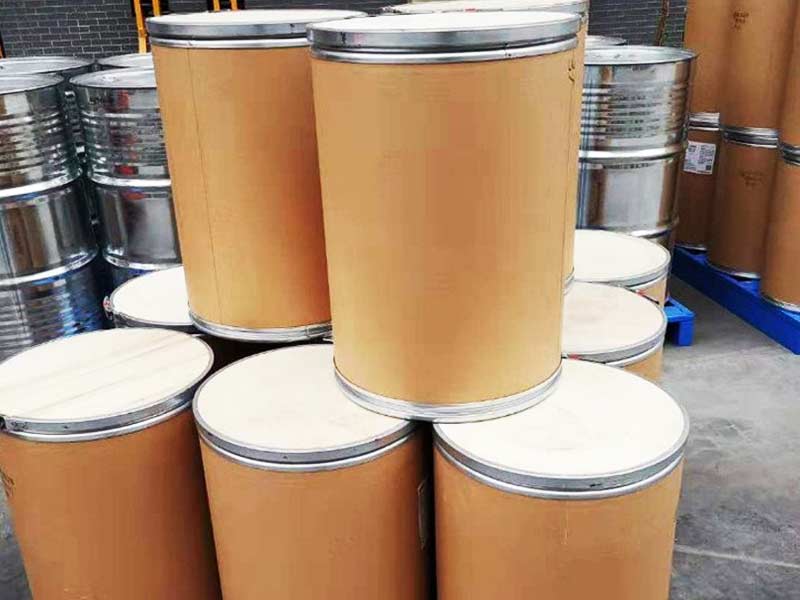
Numerous water treatment chemicals can be employed in wastewater processing. Among these, polyacrylamide is widely recognised as offering excellent value for money in water treatment applications. What considerations should be borne in mind when using pol
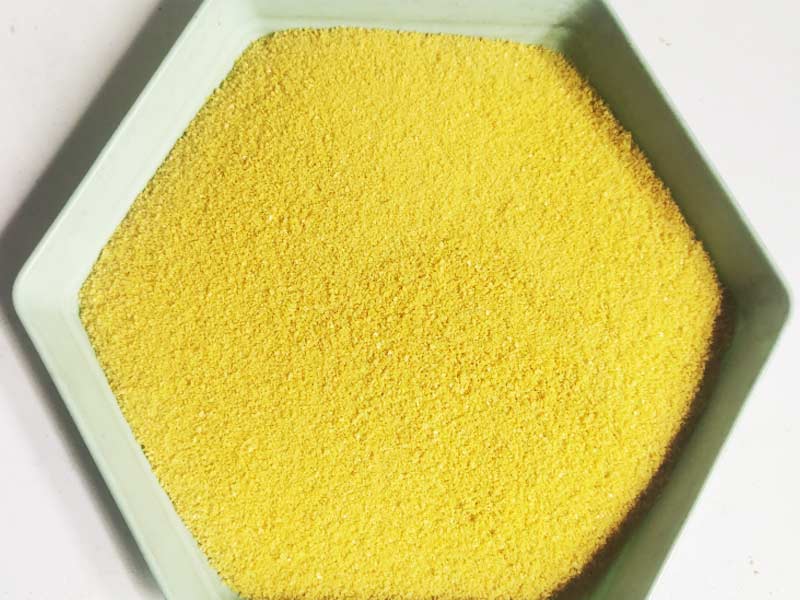
In the process of water treatment, the benefits of water purification chemicals have been widely recognised. Increasingly, wastewater is being treated using such agents. However, the market offers a bewildering array of water purification chemicals.
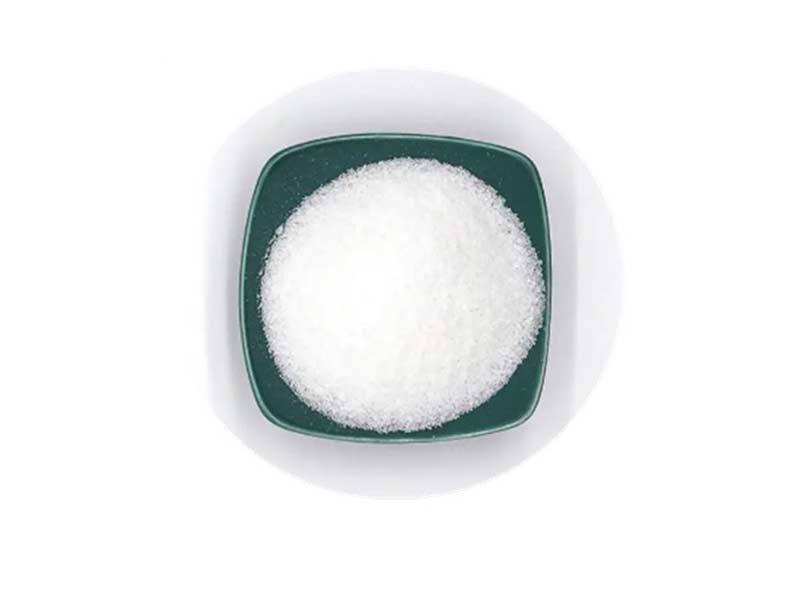
Anionic polyacrylamide finds extensive application within the water purification sector due to its broad suitability across various industries. Polyacrylamide is typically categorised by type into anionic, cationic, non-ionic, and amphoteric varieties, wi
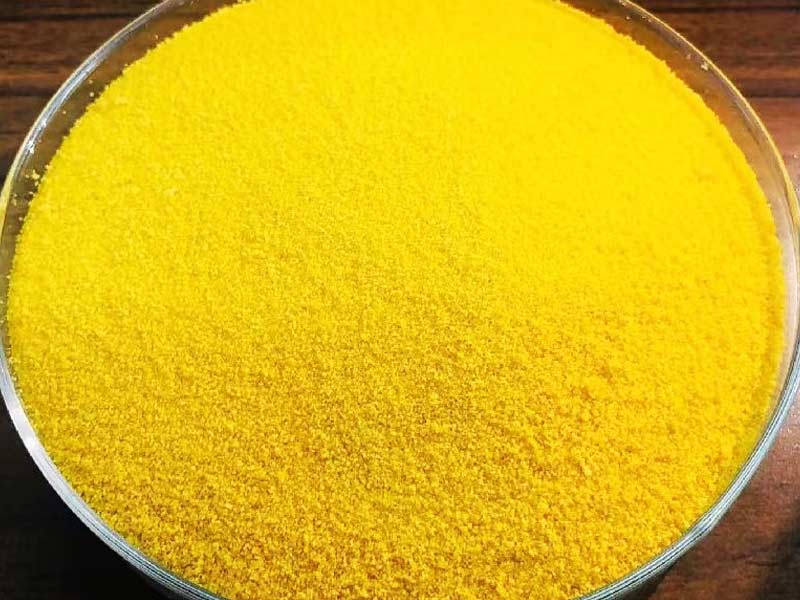
Throughout the water treatment process, we have all recognised the benefits of polyaluminium chloride products. Simultaneously, products of relatively superior quality tend to enjoy greater market popularity. What factors account for this phenomenon?
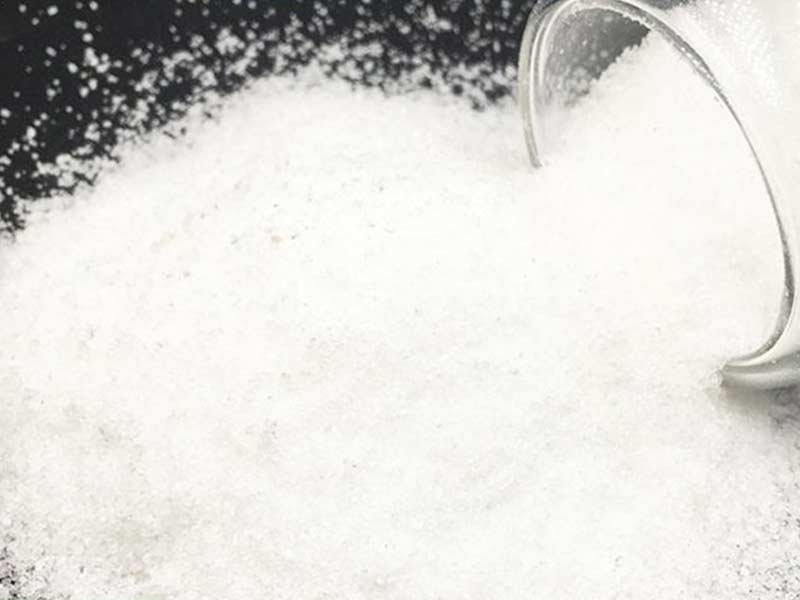
It is widely recognised that molecular chain length serves as an indicator of polyacrylamide product quality, directly influencing the product's ultimate performance. However, does a higher molecular weight necessarily equate to superior efficacy?
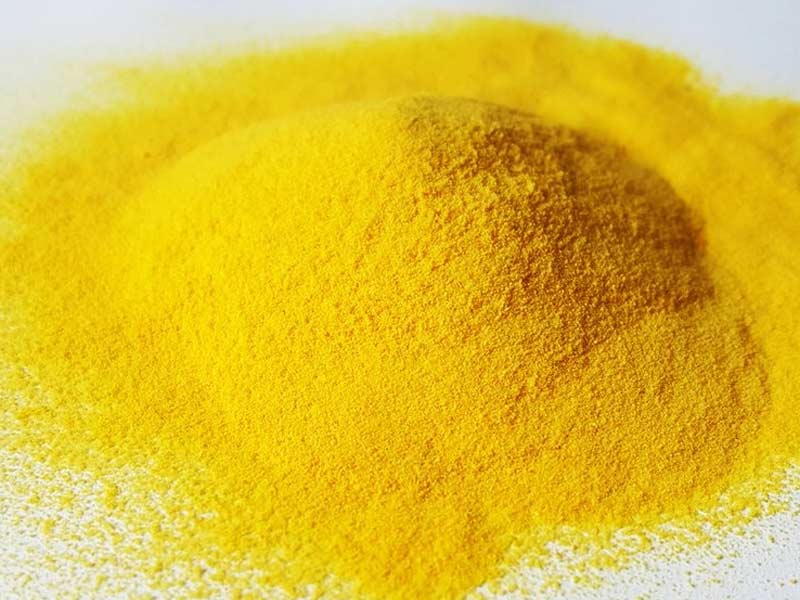
During the application of polyaluminium chloride products, we observe variations in usage across different industries. Therefore, precise and scientifically referenced data is essential when determining dosage requirements.
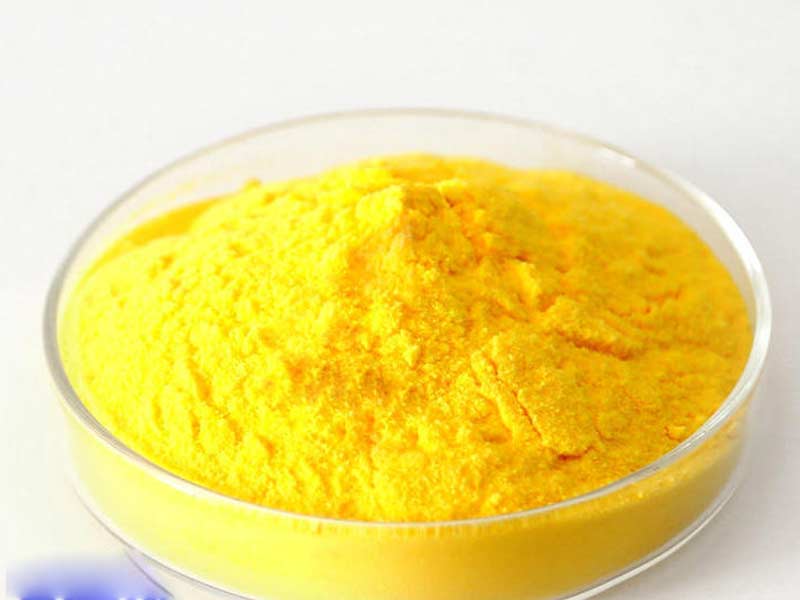
Polyaluminium chloride is a composite salt processed from aluminium trichloride and aluminium hydroxide. It is an inorganic, high-molecular-weight chemical polymer. During operation, it neutralises the electrical charge of colloidal particles and destabil
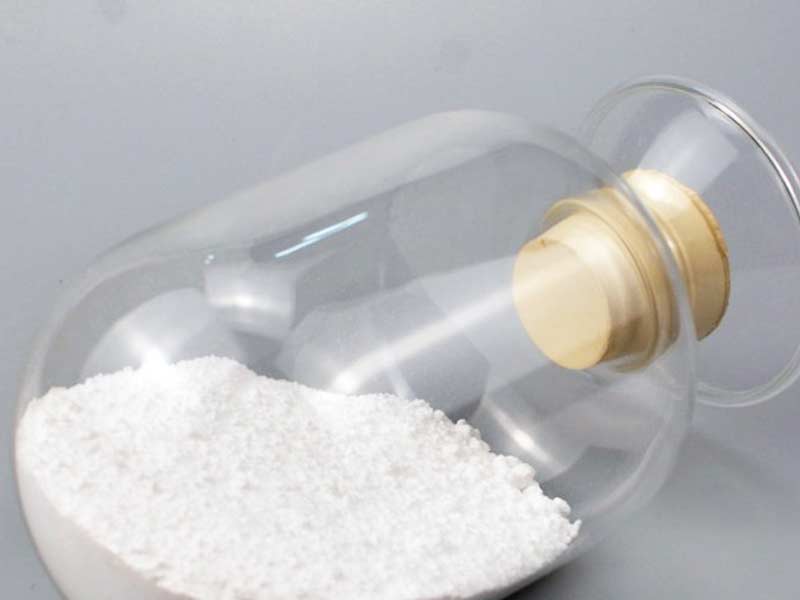
Polyacrylamide is a commonly used multifunctional treatment agent. It finds extensive application in water treatment and the water treatment industry. It effectively improves water quality and facilitates sludge dewatering, preventing the deposition of in
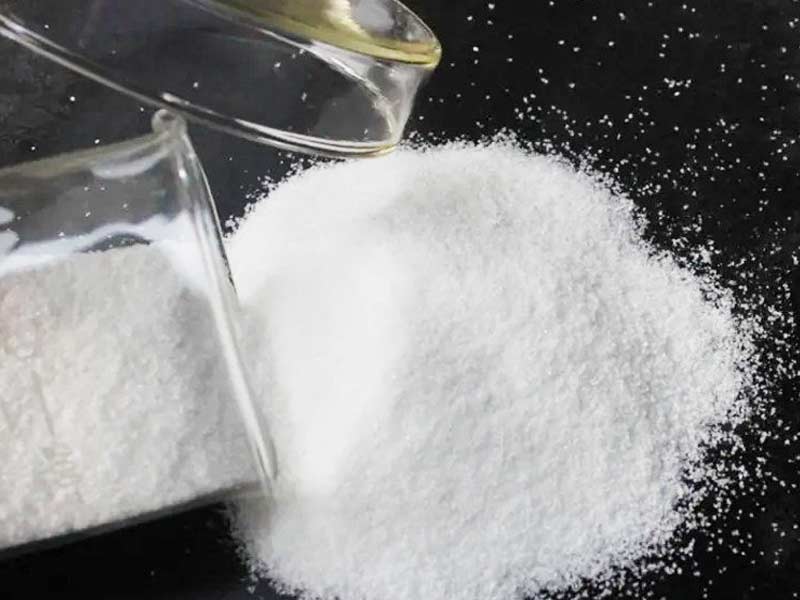
With growing emphasis on environmental protection, polyacrylamide has now become a widely used water purification agent. Its molecular weight determines different grades, categorised as anionic, cationic, amphoteric, and non-ionic.