


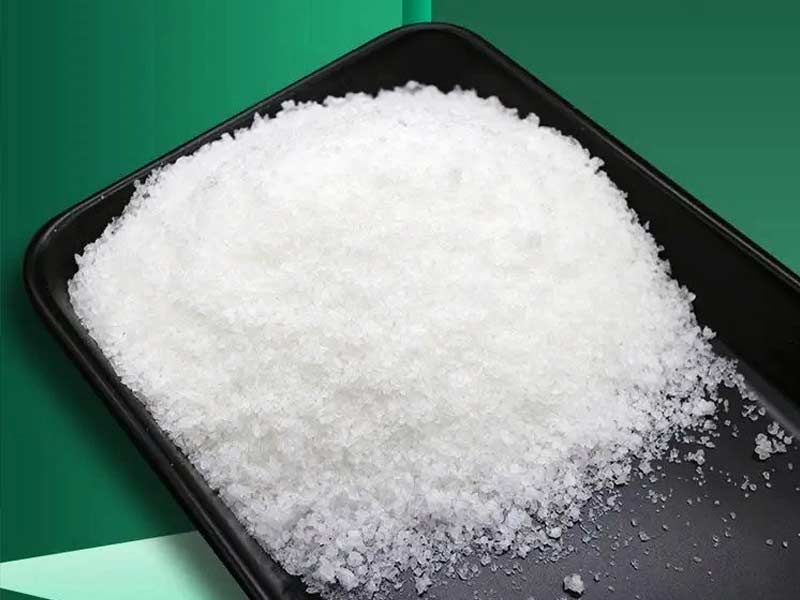
Polyacrylamide is a highly effective water purification agent suitable for numerous applications and industries. However, issues may inevitably arise during product usage, stemming from on-site conditions, operational errors, or inherent product character
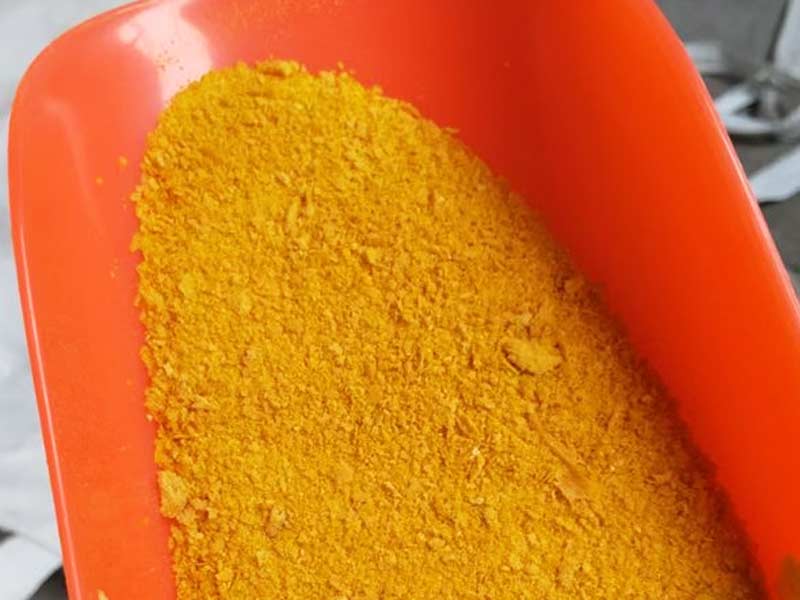
As a commonly used water treatment chemical, polyaluminium chloride has a wide range of applications and delivers excellent results. However, as a frequently used product, we often find it challenging to ascertain quality during purchase.
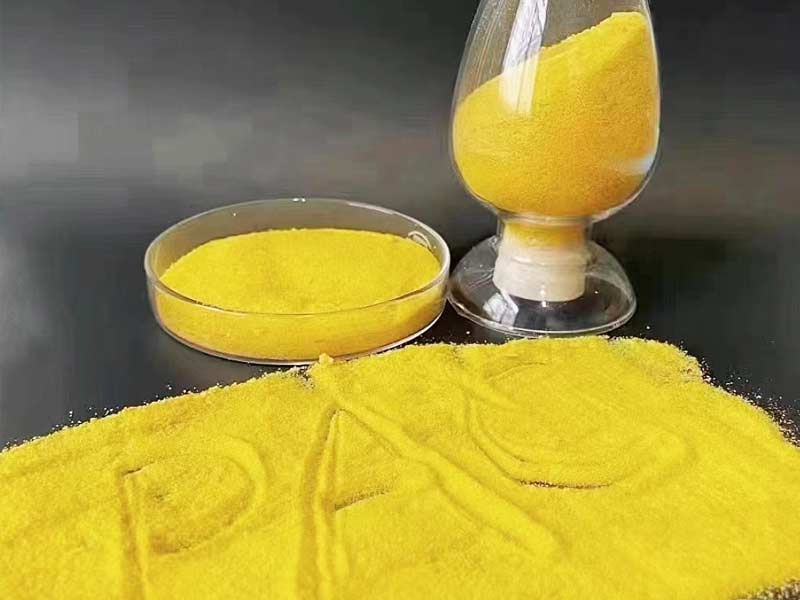
The diversification of polyaluminium chloride products has resulted in considerable variation within the current market offerings. Compounded by differences in production processes and raw material selection among manufacturers, the resulting products exh
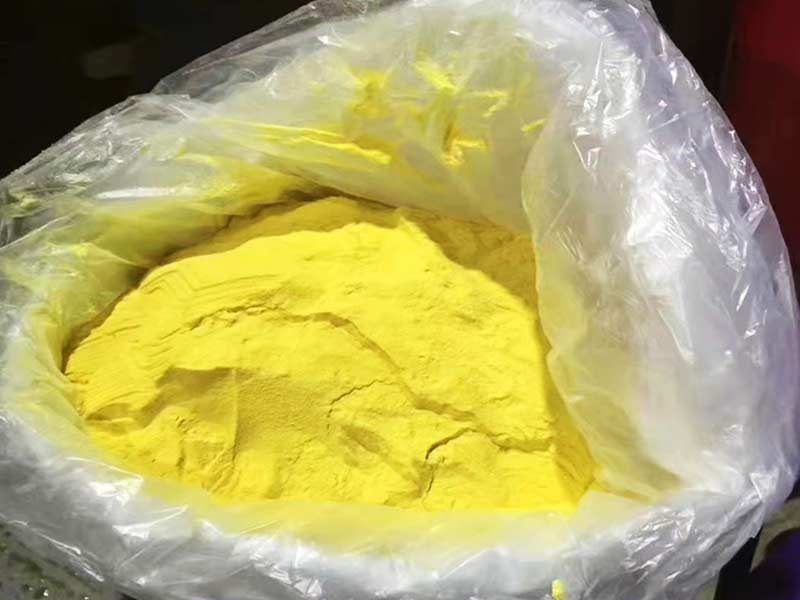
When using polyaluminium chloride products, many find the dissolution process prior to use genuinely troublesome. There is a desire to directly add the solid product. Is this approach acceptable? Generally speaking, it can be used directly.
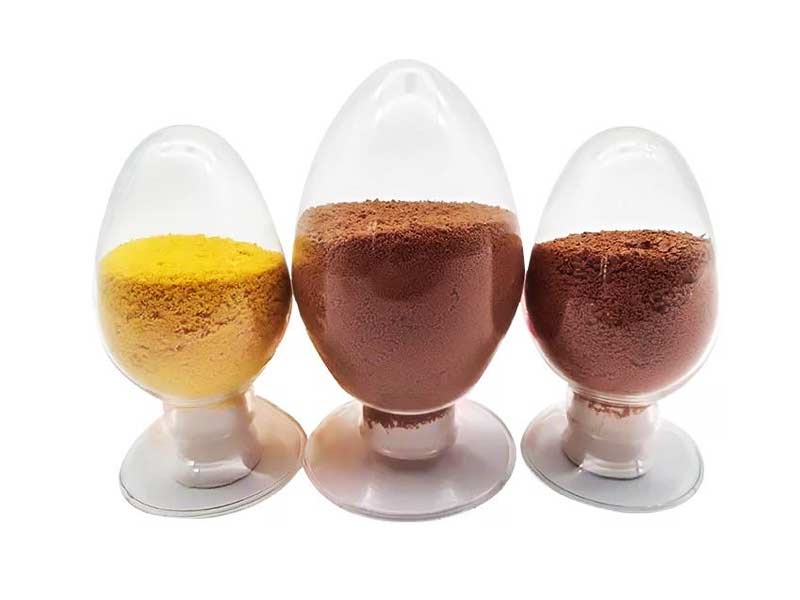
Polyaluminium Chloride is a widely recognised water purification product. Its efficacy in water treatment is beyond doubt. However, being a high-molecular-weight inorganic flocculant, it is categorised by its content into 30%, 28%, and 26% variants.
There are numerous types of water purification chemicals, including polyaluminium chloride and polyaluminium ferric chloride. Though differing by but a single character, they exhibit significant distinctions. What are the practical differences between the
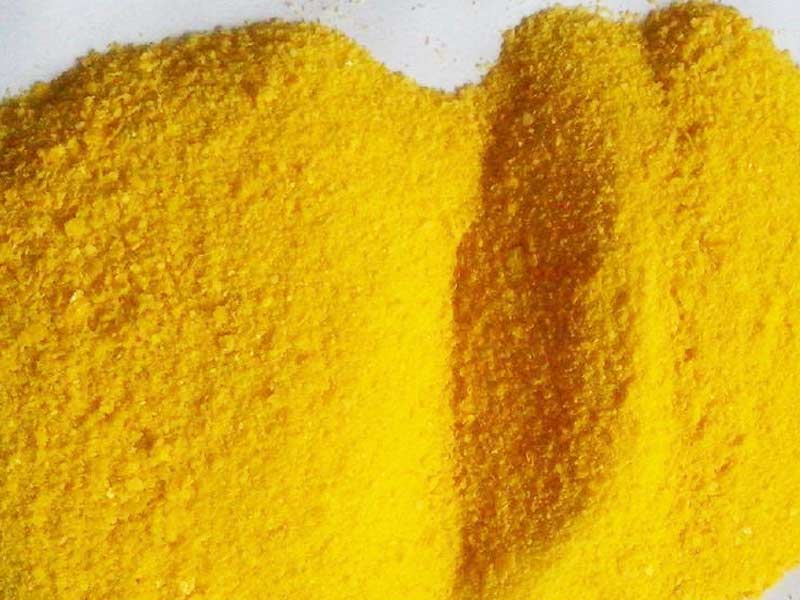
As a water purification agent utilising alumina as its raw material, it effectively removes toxic substances and heavy metals from water. It is highly soluble in water and finds extensive application in domestic and industrial water systems.
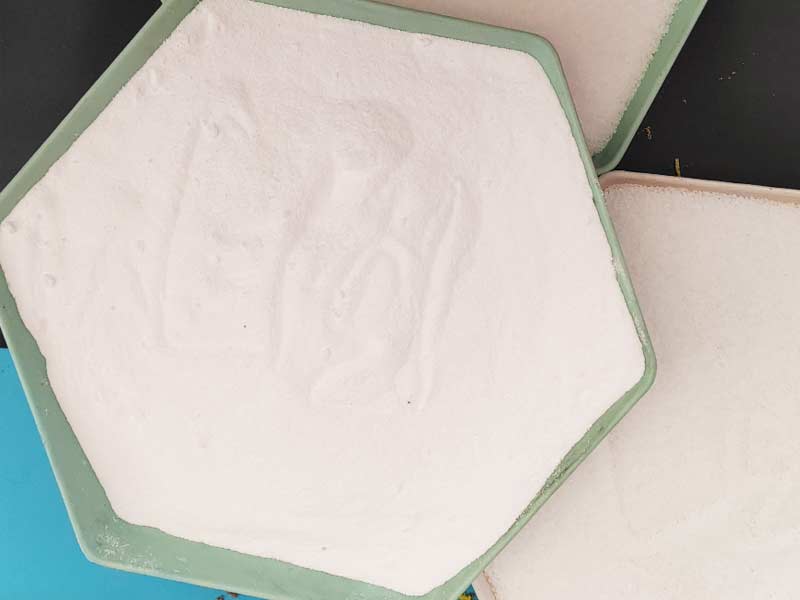
Polyacrylamide is a high-molecular-weight polymer. Consequently, its preparation and dosing are susceptible to external factors. Therefore, today we shall discuss how to achieve optimal results during preparation and dosing, along with key considerations
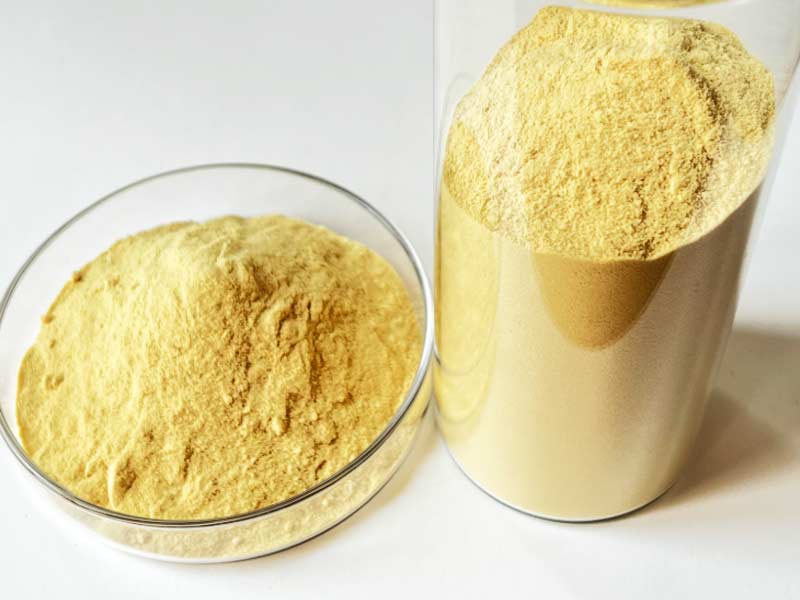
It is widely recognised that phosphorous-laden industrial wastewater poses significant treatment challenges, necessitating specialised chemical agents for effective removal. Among the most common phosphorous removal agents employed in wastewater treatment
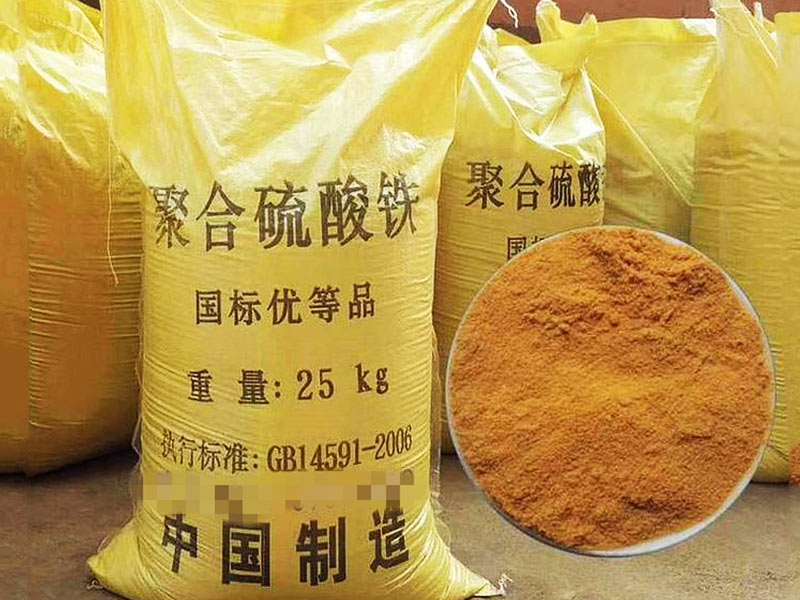
With growing environmental awareness, the application of polyferric sulphate in the water treatment industry has become increasingly widespread. Yet many remain unfamiliar with this substance, unaware of its nature or primary uses. In truth, this product
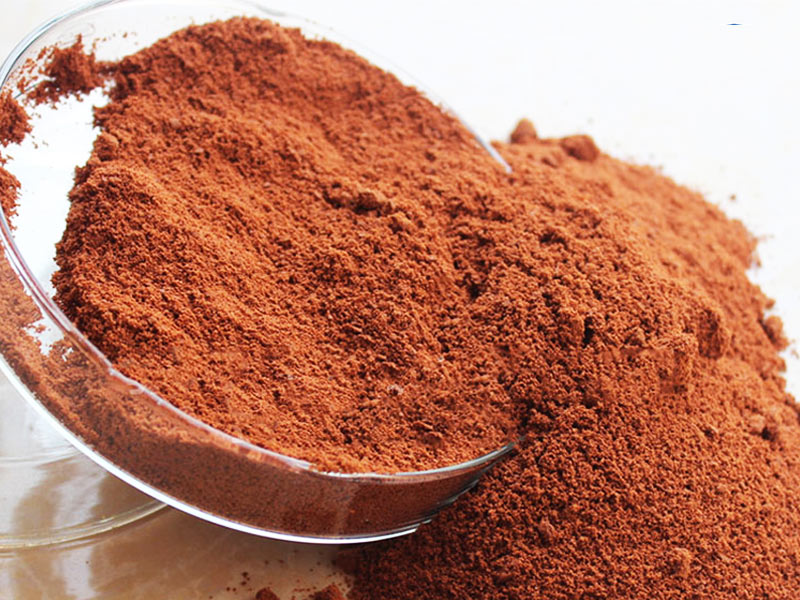
As a novice, one may find it somewhat confusing to distinguish between polyaluminium chloride and polyaluminium ferric chloride. In practical application, however, certain differences exist between the two. Today, we shall provide a detailed explanation o
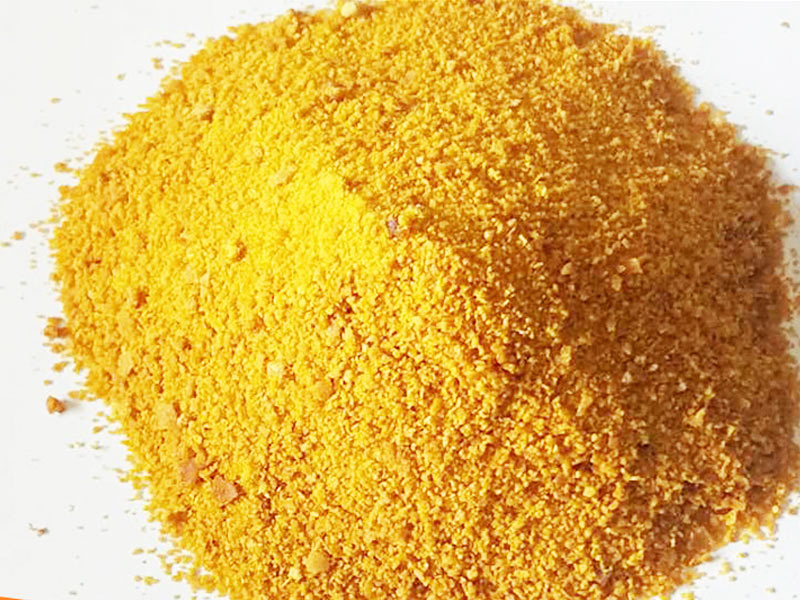
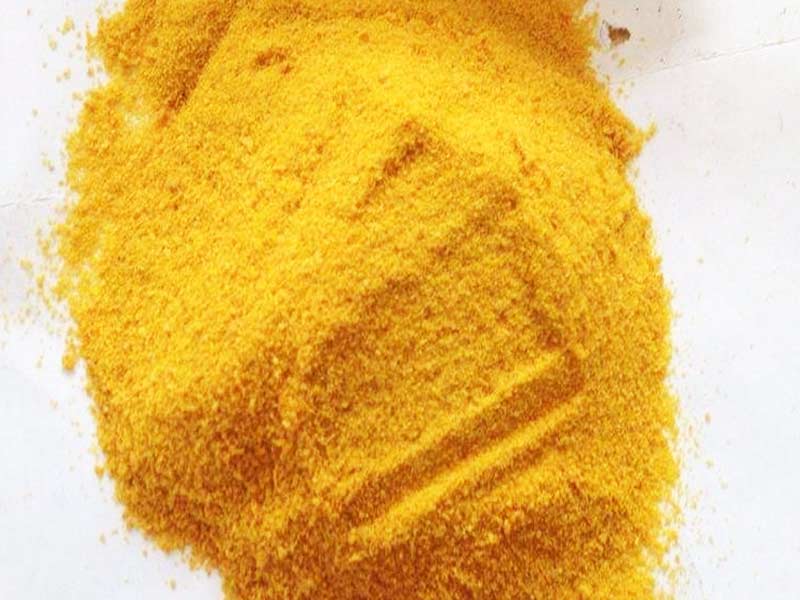
Polyaluminium chloride is a commonly used water purification chemical. However, due to variations in manufacturing processes, applications, and concentrations, its physical appearance may differ.
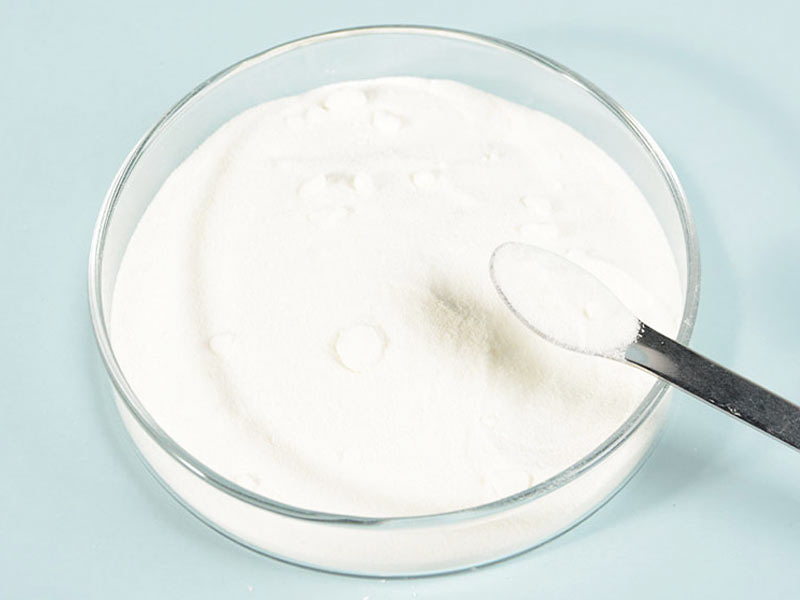
Polyaluminium chloride is a highly effective water purification agent. It possesses bactericidal, deodorising and decolourising properties. It finds extensive application in water treatment, as well as within the pharmaceutical and cosmetics industries.
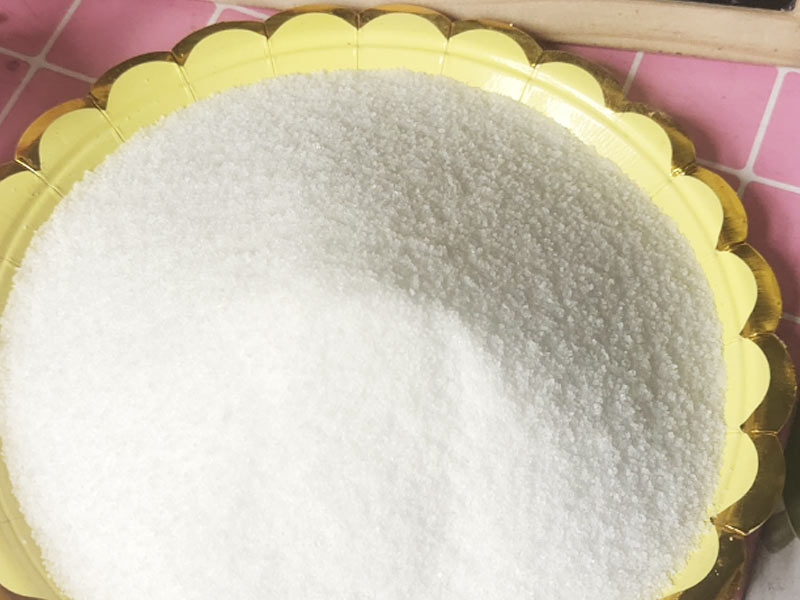
Polyacrylamide has now become a widely recognised water purification product, finding application across numerous sectors. However, during use, one may observe an increase in viscosity during dissolution. What accounts for this phenomenon? Today we shall
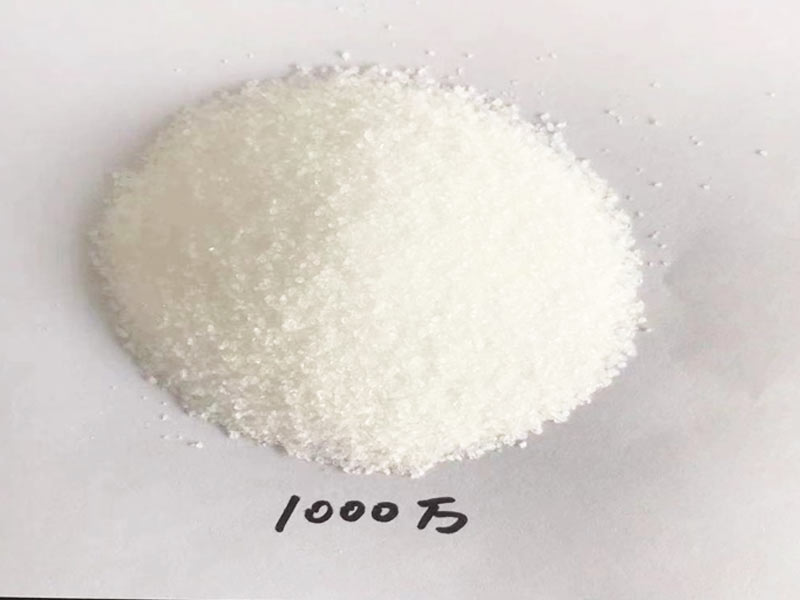
When it comes to polyacrylamide, it is undoubtedly a familiar substance to most. As a commonly used flocculant, it finds extensive application across diverse industries and sectors. As is well known, its utility extends beyond water treatment; it also ser