During our wastewater purification processes, we have all come to recognise the efficacy of polyacrylamide products. Indeed,
polyacrylamide stands as one of the most favoured flocculants in water treatment. However, many users observe that during dissolution, the polyacrylamide tends to form lumps. What causes this phenomenon?
Why does polyacrylamide form lumps during dissolution? How can this be prevented? Proper dissolution is crucial when using polyacrylamide. Lumping typically arises from improper handling, such as excessive dissolution speed, uneven dosing, or excessive dosage. Furthermore, delayed dissolution of polyacrylamide can also lead to clumping. If the water used for dissolution is impure, excessive suspended solids may cause clumping. Dissolution temperature is another factor. These are all causes of polyacrylamide clumping. So how can clumping be avoided?
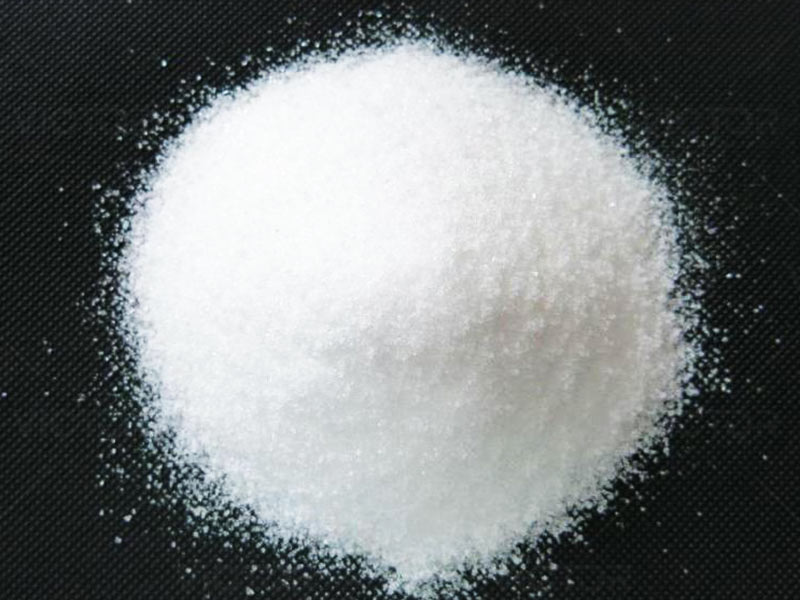
Generally, to prevent polyacrylamide products from clumping during dissolution, it is advisable to use tap water. The recommended concentration ratio for dissolution is typically one part per thousand. When adding the chemical, it is preferable to agitate the water first. Subsequently, slowly and evenly dispense a measured quantity of polyacrylamide into the water while maintaining continuous stirring. This method effectively minimises the occurrence of clumping. For manual stirring, dissolution requires 6-8 hours. Mechanical stirring should last no less than 40 minutes. Where feasible, using lukewarm water below 40°C yields superior results. To mitigate clumping risks from incomplete dissolution, liquid polyacrylamide formulations may be employed.
Preserving polyacrylamide efficacy demands careful storage. Once opened, stored polyacrylamide should be kept in a dry, well-ventilated location to minimise moisture exposure and reduce the risk of clumping. Avoid direct exposure to sunlight, as prolonged sun exposure can degrade the product, leading to diminished efficacy during use.