Polyaluminium chloride products, now widely recognised as water purification agents, have gained considerable popularity. As a relatively novel water treatment material, this water-soluble polymeric compound exerts strong electrostatic and bridging effects on suspended particles and colloids. It effectively removes trace toxins and heavy metals, demonstrating excellent efficacy.
Owing to its adsorption, flocculation, and sedimentation properties, polyaluminium chloride finds extensive application in the water treatment industry. However, it exhibits poor stability and possesses certain corrosive characteristics. During production, personnel must wear protective clothing and masks. Should accidental splashes occur on skin, immediate thorough rinsing with water is essential. As a highly efficient water purification agent, polyaluminium chloride maintains a high level of safety. Its applicability is extensive, suitable for purifying water of varying turbidity levels with a broad pH tolerance range. However, compared to polyacrylamide products, its sedimentation efficacy is less pronounced. How might one assess the quality of polyaluminium chloride products during procurement?
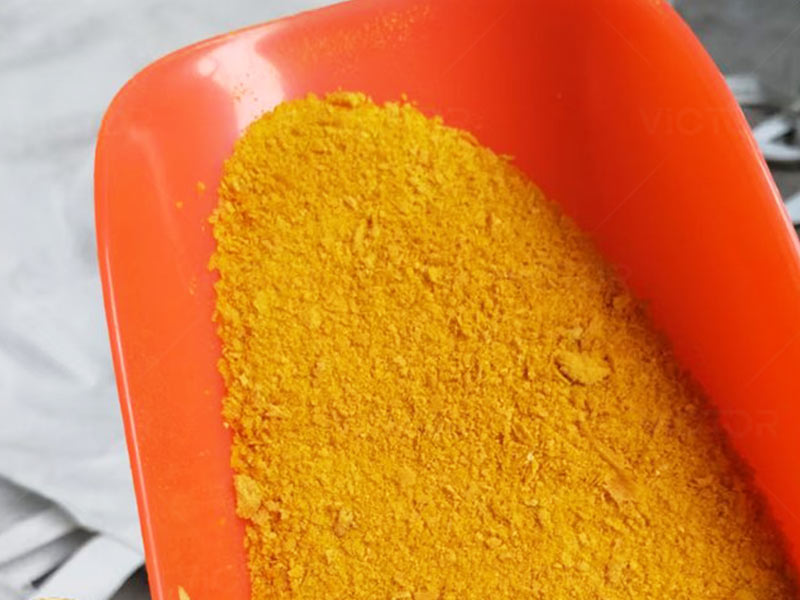
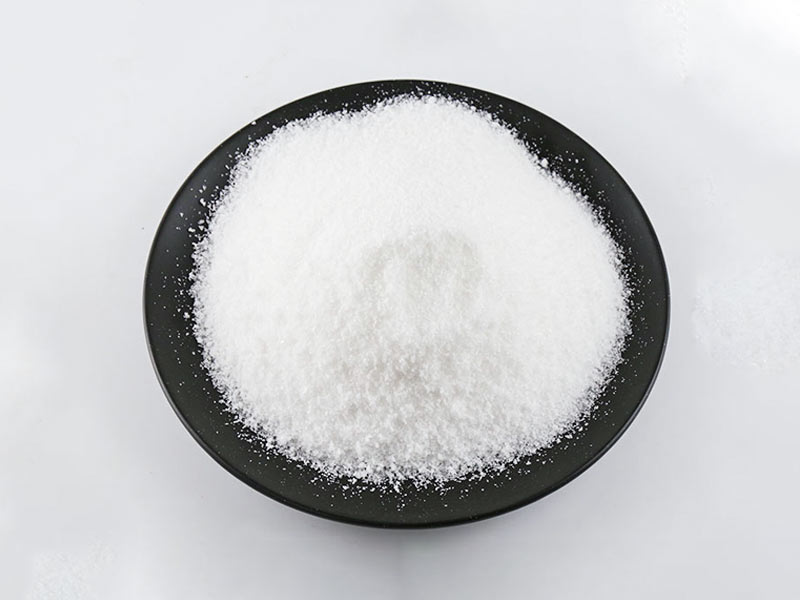
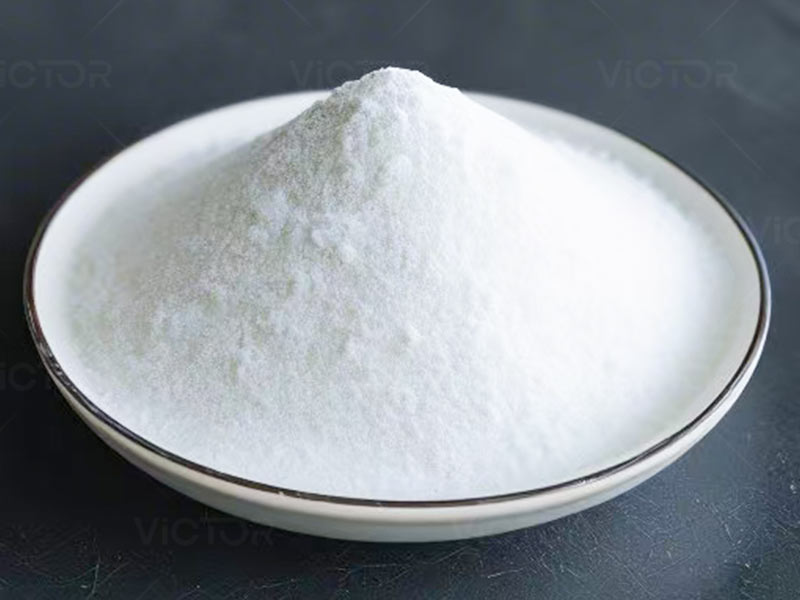
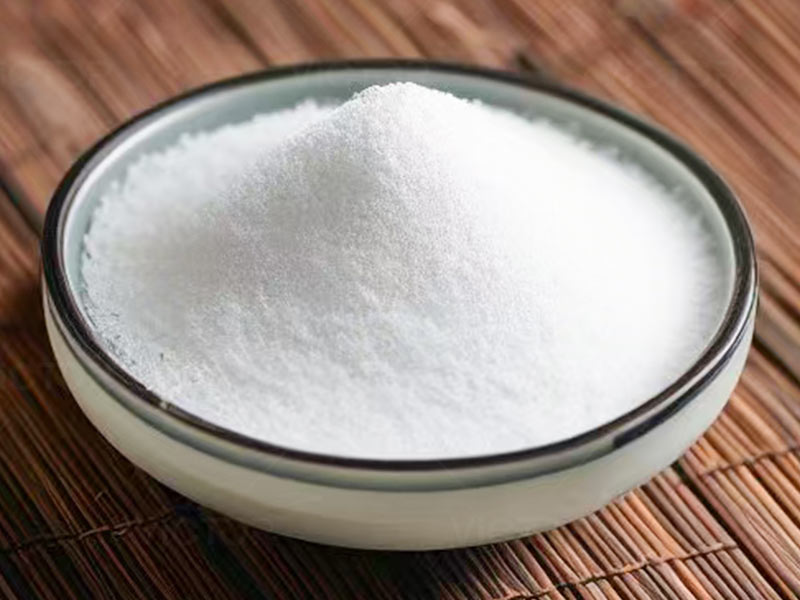
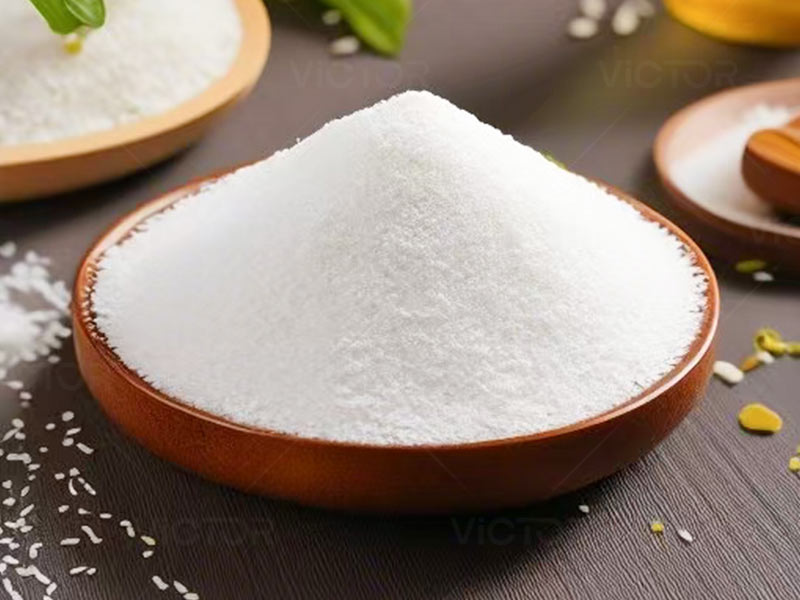
The simplest approach is to assess the product's reputation, the manufacturer's capabilities, and their after-sales service. If the product receives widespread acclaim and the manufacturer operates on a large scale, this indicates a reputable supplier. Additionally, one can employ professional expertise to evaluate the quality of polyacrylamide. Colour provides a convenient indicator: white polyaluminium chloride products represent the highest quality within this category. White polyaluminium chloride products, often termed high-purity white polyaluminium chloride or food-grade polyaluminium chloride, represent superior water purification agents. Typically, white polyaluminium chloride products are employed across multiple water treatment sectors, such as drying paper sizing agents, sugar decolourisation and clarification agents, cosmetics, and precision casting. They are primarily manufactured using superior aluminium hydroxide powder and hydrochloric acid through advanced spray drying techniques. However, owing to the high production costs of white polyaluminium chloride products, they are seldom utilised in water treatment applications. Yellow polyaluminium chloride products are predominantly employed as substitutes in water treatment processes.
Yellow polyaluminium chloride primarily utilises calcium aluminate powder, hydrochloric acid, and bauxite as raw materials. It functions chiefly as a wastewater treatment chemical. Given that different water sources present varying treatment requirements during the purification process, selecting an appropriate, high-quality polyaluminium chloride product is essential to achieve effective results.