With the growing emphasis on environmental protection, wastewater treatment has become an integral part of environmental conservation. Consequently,
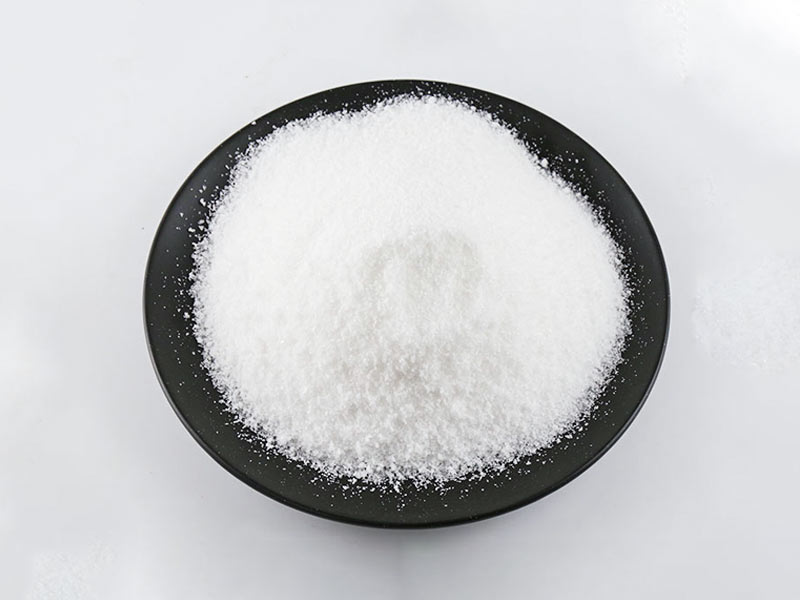
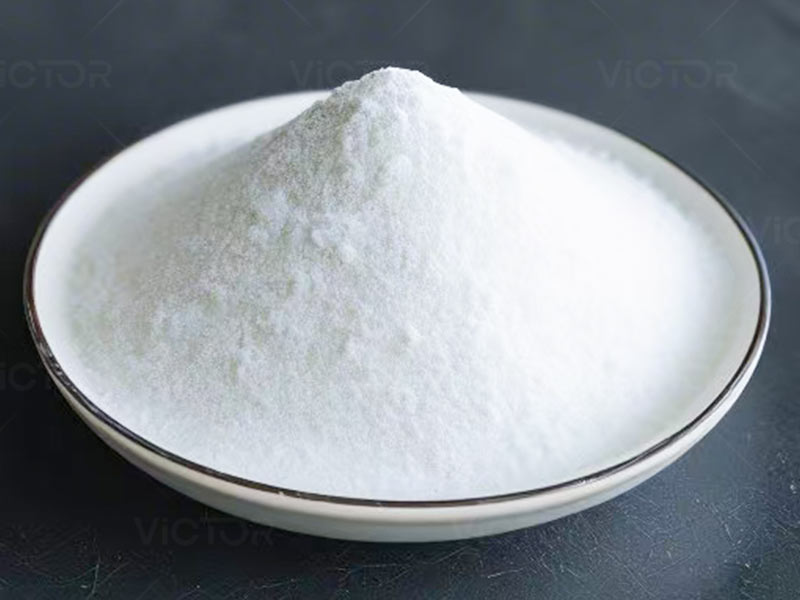
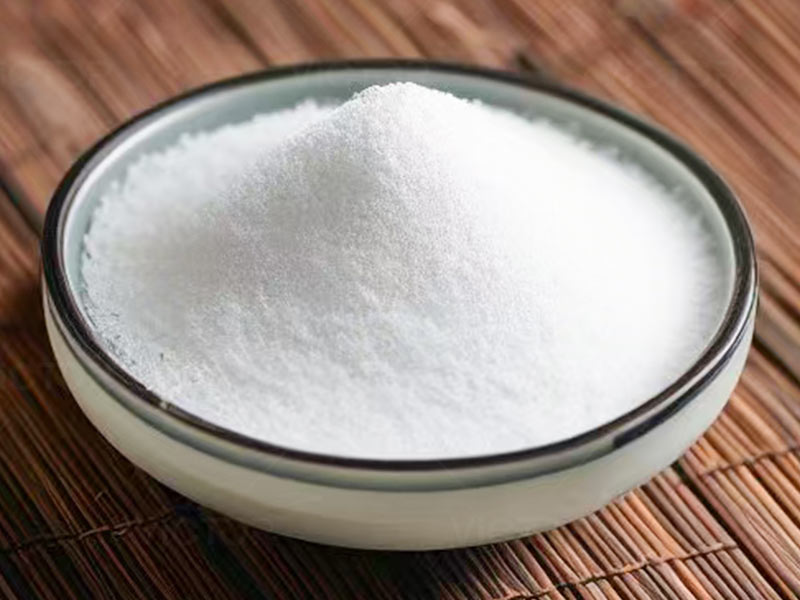
polyaluminium chloride has emerged as a widely used product in wastewater treatment. As a high-quality water purifier, polyaluminium chloride typically presents as solid resin particles in shades of yellow, dark brown, or white. It possesses strong bridging and adsorption capabilities, effectively facilitating flocculation during the hydrolysis process.
However, due to the high demand for polyaluminium chloride, the market is flooded with products of varying quality and price, making it difficult for buyers to discern the genuine article. How can one avoid purchasing substandard products? Today, polyaluminium chloride manufacturers provide detailed guidance on assessing the quality of polyaluminium chloride products.
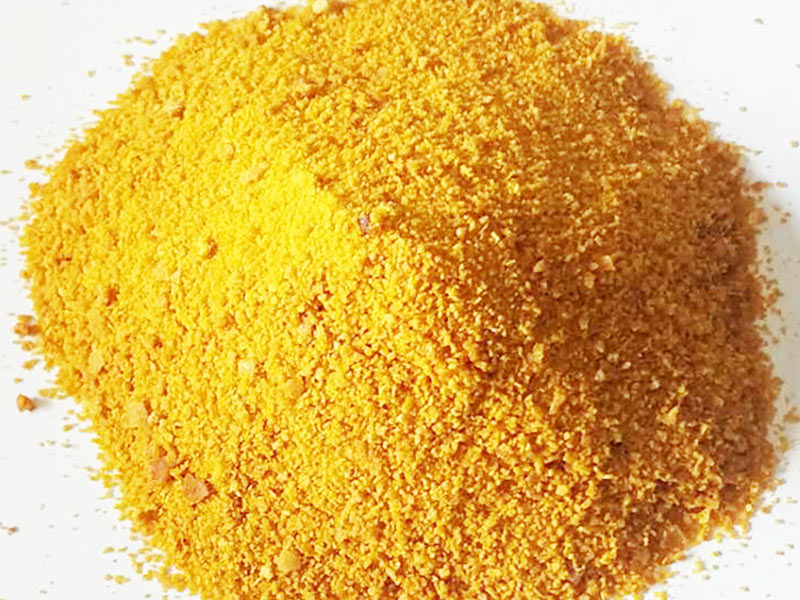
The foremost indicator for assessing polyaluminium chloride product quality is its basicity. This parameter directly determines the chemical structure and properties of the product, serving as a crucial benchmark. Basicity directly influences the flocculation efficacy of polyaluminium chloride. In this regard, higher concentrations of raw water yield greater salinity, thereby enhancing flocculation performance. However, higher basicity also implies a higher price point. Naturally, the required dosage becomes correspondingly lower. Among current market offerings, spray-dried polyaluminium chloride exhibits the highest basicity. This is primarily produced through the reaction of calcium powder with hydrochloric acid. Different polyaluminium chloride products employ varying production processes and raw materials, resulting in certain differences in basicity.
pH value is another factor influencing the efficacy of polyaluminium chloride products. Generally, the pH value of polyaluminium chloride increases with higher basicity. However, the relationship between pH and basicity is not strictly proportional. Even for polyaluminium chloride with identical basicity, pH values may vary when concentrations differ.
Lastly, the aluminium oxide content is crucial. This serves as an indicator of the effective components in polyaluminium chloride and correlates with the solution's density. That is to say, a higher density indicates a greater aluminium oxide content. Regarding solution viscosity, this is directly related to the aluminium oxide content within the polyaluminium chloride. An increase in aluminium oxide content leads to an increase in solution viscosity.
These factors collectively constitute the key indicators for assessing the quality of polyaluminium chloride products. Keeping these points in mind will assist in procuring high-quality polyaluminium chloride products.