When using
polyaluminium chloride products, many encounter the issue of water-insoluble matter. What causes this? Generally, domestic polyaluminium chloride products are primarily manufactured from bauxite and calcium aluminate. Following acid leaching and adjustment, numerous impurities readily form. These impurities constitute the undissolved water-insoluble matter.
What should one do when encountering insoluble matter during the use of polyaluminium chloride products? Removal methods! There are two primary approaches for eliminating insoluble matter from polyaluminium chloride: sedimentation and plate-and-frame filtration. During water treatment, the small particle size of the insoluble matter results in a slow sedimentation rate. Consequently, sedimentation typically requires approximately ten days. The extended duration and substantial space requirements for accumulation deter many from selecting this approach for insoluble residue treatment. Consequently, plate-and-frame filtration presents a viable alternative. However, this method demands significant equipment investment and involves relatively cumbersome operation, limiting its widespread adoption. Most manufacturers opt for natural sedimentation to reduce equipment investment. However, with technological advancements, polyaluminium chloride products processed via plate-and-frame filtration exhibit lower insoluble content. This results in minimal residue during use, reducing pipeline corrosion risks and significantly lowering labour intensity. Consequently, these products have gained considerable customer favour, with increasing manufacturers favouring plate-and-frame filtered polyaluminium chloride.
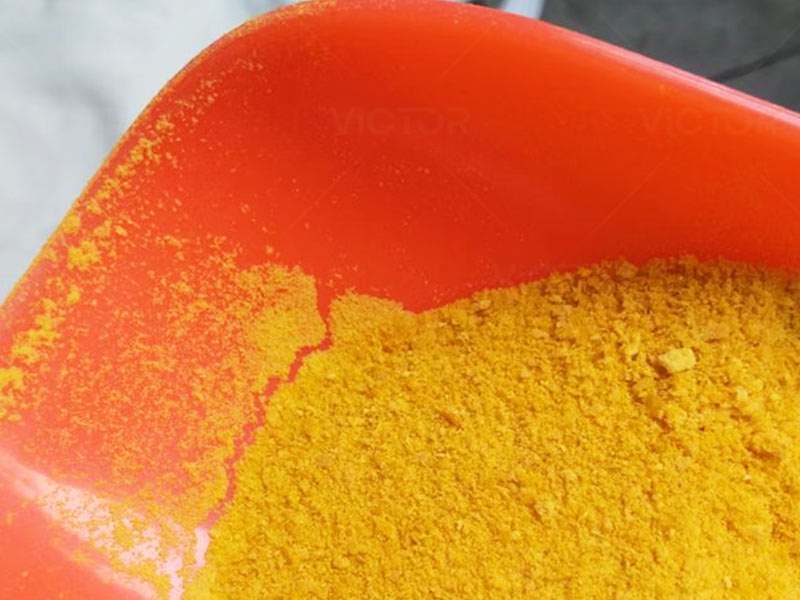
Nevertheless, achieving water-insoluble matter removal through natural sedimentation requires not only stringent raw material control but also extended settling periods. Typically, 7–10 days of sedimentation are necessary to meet standards. At this stage, polyacrylamide can be added as an adjuvant. Prior to use, polyacrylamide should be prepared at a 0.1% concentration. Once the precipitated polyaluminium chloride has cooled, thoroughly mix the original polyaluminium chloride solution with polyacrylamide for sedimentation. This process generates flocculants, which continuously grow and settle within the sedimentation tank. Controlling the solution concentration effectively regulates the settling of water-insoluble substances. Subsequently, some accumulation will occur within the sedimentation tank. However, this accumulation will not persist; simply await the addition of the next batch of chemicals. In truth, regardless of the method employed, insoluble matter remains a stumbling block affecting the efficacy of polyaluminium chloride products. Therefore, resolving the issue of water-insoluble substances is crucial.