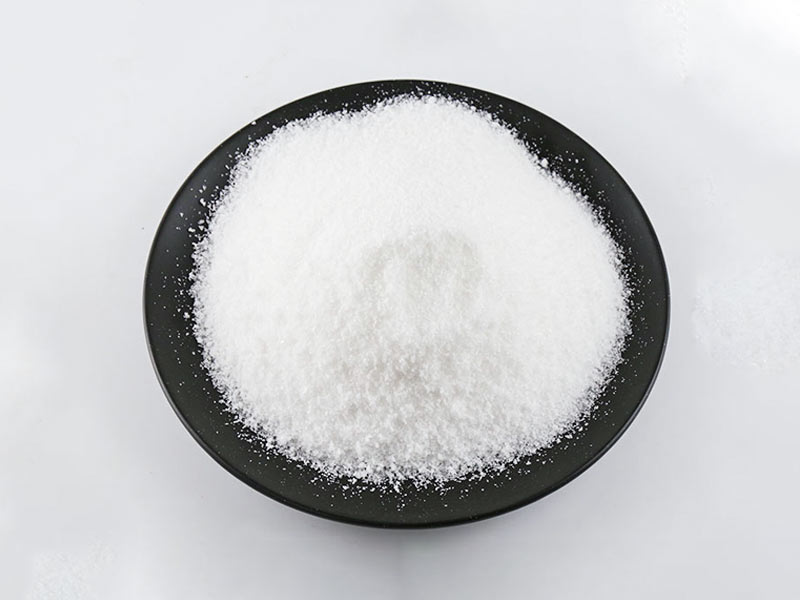
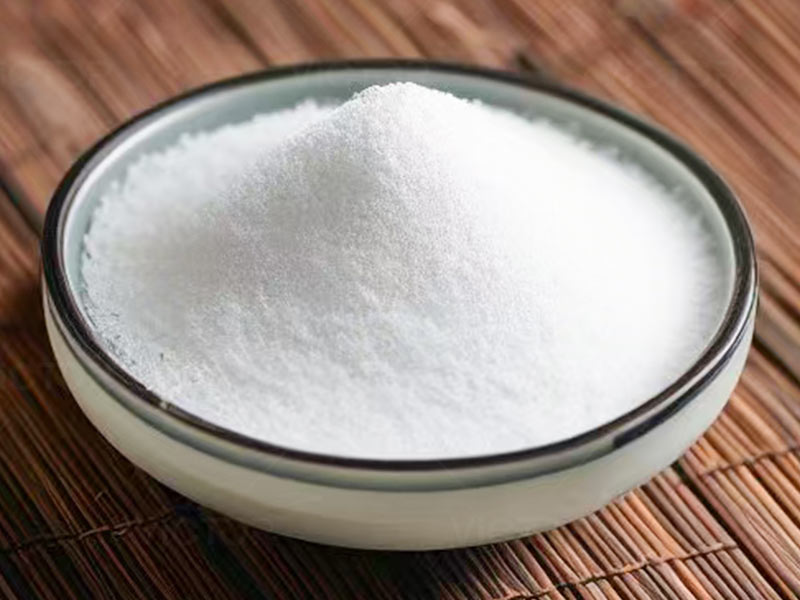
Non-ionic polyacrylamide also plays an extensive role in industrial production. Victor Company's non-ionic polyacrylamide is itself a high-molecular-weight polyelectrolyte. Its molecular chain contains a certain quantity of polar functional groups. It can adsorb suspended solid particles in water, bridging particles to form larger flocs. Non-ionic polyacrylamide accelerates the sedimentation of particles within suspensions. It markedly expedites solution clarification and facilitates filtration processes. Non-ionic polyacrylamide accelerates the sedimentation of particles within suspensions. It markedly expedites solution clarification and facilitates filtration processes.
Non-ionic polyacrylamide exhibits excellent water solubility. Unlike other flocculants requiring heating to specific temperatures to activate, it dissolves completely even in cold water. Non-ionic polyacrylamide proves highly economical when employed as a flocculant. Adding a minimal quantity to the solution yields substantial flocculation effects. Typically, just 0.01–10 ppm (0.01–10 g/m³) suffices to achieve full efficacy. To enhance clarification, a small quantity of inorganic flocculants—such as ferric polymer sulphate, polyaluminium chloride, or iron salts—may be added concurrently with the non-ionic polyacrylamide, yielding even greater efficacy.
Beyond wastewater treatment, non-ionic polyacrylamide is also employed in textile dyeing and printing. When dyeing and sizing white fabrics, it enhances sizing efficiency while preventing colour loss, maintaining fabric smoothness and vibrancy over extended periods. This substantially enhances the economic benefits of the textile and dyeing industry. Non-ionic polyacrylamide has been employed in the petroleum industry for some time. It plays a vital role in oil extraction, drilling mud, waste mud treatment, preventing water ingress, reducing friction, improving recovery rates, and tertiary oil recovery. In the papermaking industry, non-ionic polyacrylamide can increase the retention rate of fillers and pigments. The coloured paper, advertising paper, and educational paper we commonly encounter all benefit from non-ionic polyacrylamide. It also reduces raw material loss and environmental pollution while enhancing paper rigidity.
Non-ionic polyacrylamide finds extensive application across other sectors, including: - Flocculation and clarification of enzyme fermentation liquids in the food industry - Synthetic resin coatings - Grouting materials for waterproofing in civil engineering - Building materials manufacturing