Polyacrylamide is a linear polymeric flocculant. Based on its molecular structure, polyacrylamide can be categorised into
anionic polyacrylamide, cationic polyacrylamide, and non-ionic polyacrylamide. These structural differences determine their distinct functionalities. VICTOR's anionic polyacrylamide, renowned for its superior quality and market competitiveness, is exported worldwide. The company stands as a formidable entity within the water treatment chemicals and filtration equipment sector.
Anionic polyacrylamide is colourless, odourless, and tasteless, lacking the corrosive properties of other chemical substances. It remains relatively stable at ambient temperatures. However, its solubility diminishes under high-temperature or freezing conditions, consequently reducing flocculation efficacy. Therefore, during storage and dosing of anionic polyacrylamide, temperature control is essential: maximum temperature should not exceed sixty-five degrees Celsius. Temperatures should not fall below 2°C, as this may cause it to lose its efficacy.
Anionic polyacrylamide is a water-soluble polymeric compound. It is primarily used for flocculation and sedimentation in various industrial wastewater treatments, including clarification processes. Applications encompass steel mill wastewater treatment, electroplating plant effluent clarification, metallurgical wastewater reuse, coal washing wastewater treatment, sewage treatment, and sludge dewatering. Anionic polyacrylamide plays a significant role in wastewater treatment, exhibiting functions such as clarification and purification, sedimentation promotion, filtration enhancement, and thickening. When dosage is strictly controlled, it may also be employed for drinking water clarification and purification.
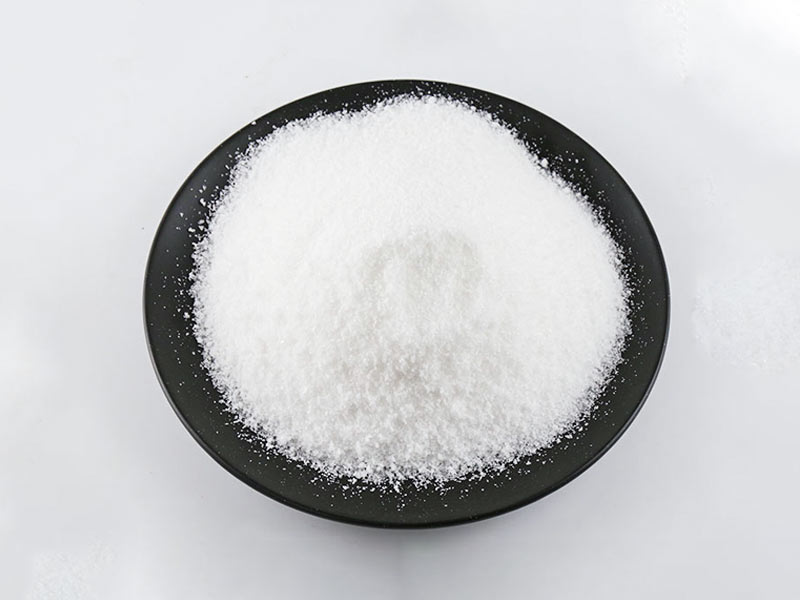
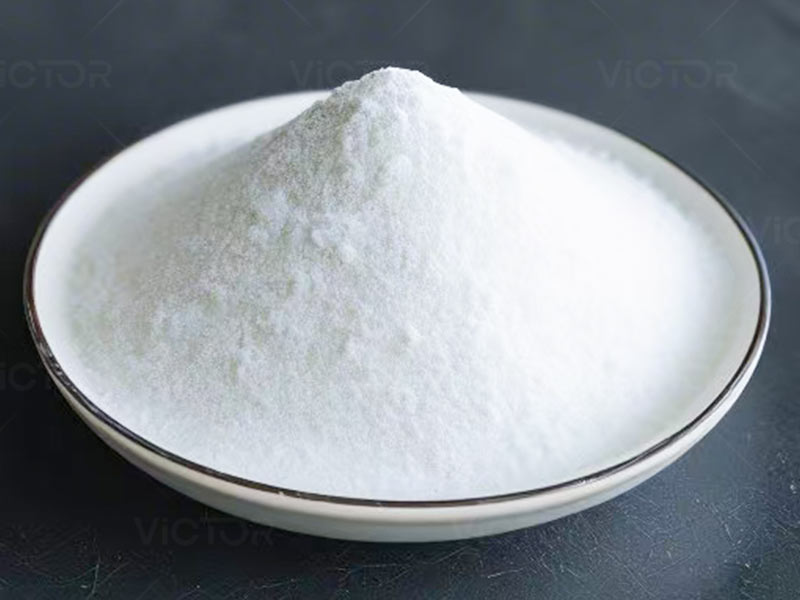
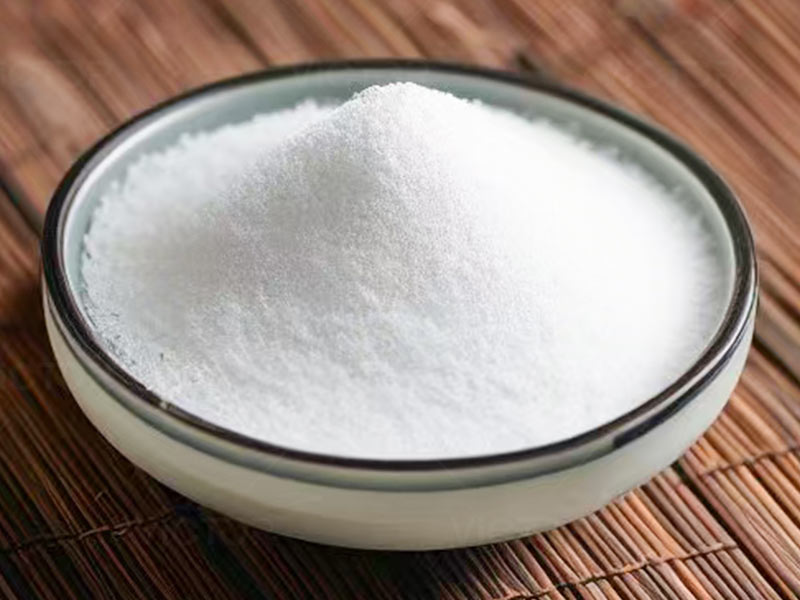
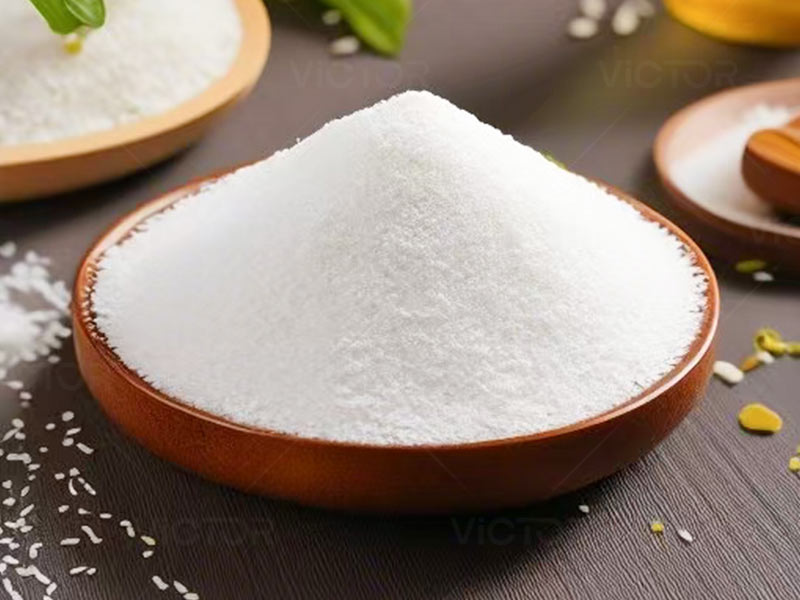
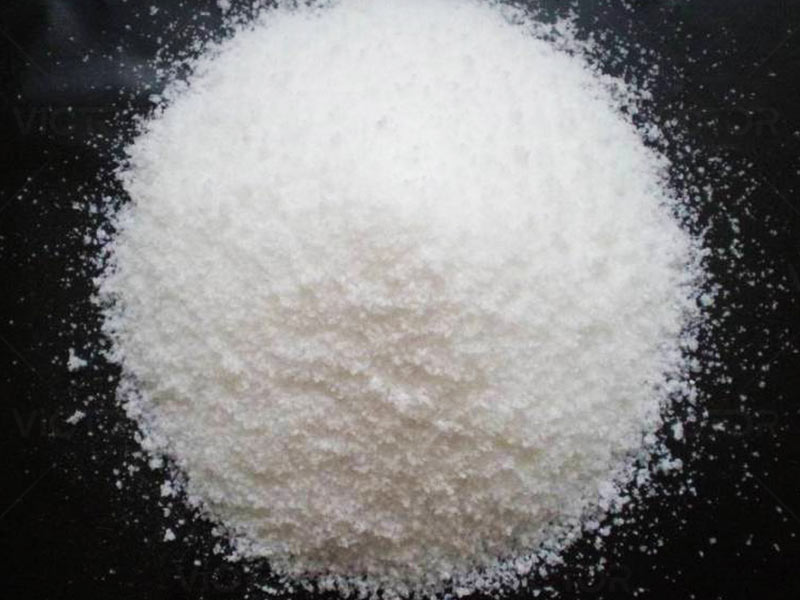
Owing to the presence of polar groups within its molecular chain, anionic polyacrylamide adsorbs suspended solids in water. It bridges particles or neutralises charges, causing particles to coagulate into larger flocs. This accelerates sedimentation of particles in suspensions, markedly expediting solution clarification and enhancing filtration efficiency. VICTOR's anionic polyacrylamide presents as white granular powder. With molecular weights ranging from eight million to twenty-five million, it exhibits excellent water solubility. It dissolves readily in water at any proportion yet remains insoluble in organic solvents. The effective pH range for anionic polyacrylamide is 7 to 14. In neutral to alkaline media, it exhibits properties characteristic of a polymeric electrolyte. It is sensitive to salt electrolytes and can cross-link with high-valent metal ions to form insoluble gels.