Societal progress is inseparable from economic development. Our nation's economic advancement began with certain industries and heavy industries. Industry has indeed transformed our lives, accelerating economic growth and driving social progress. Simultaneously, it has introduced challenges such as pollution – atmospheric pollution, water pollution, and soil contamination.
With the increasing sophistication of modern science and technology, our high-tech professionals have researched, developed, and produced numerous agents to address pollution issues. Let us now examine a water pollution treatment agent produced by VICTOR Company: non-ionic polyacrylamide.
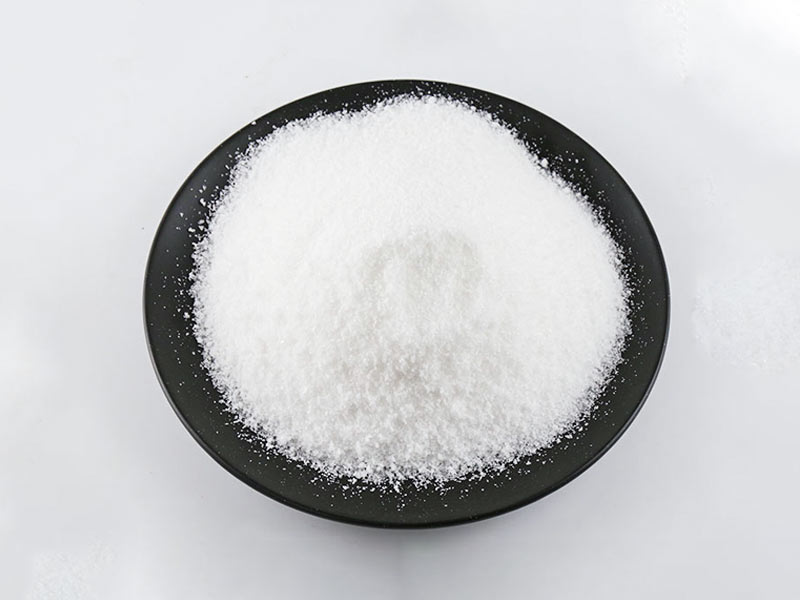
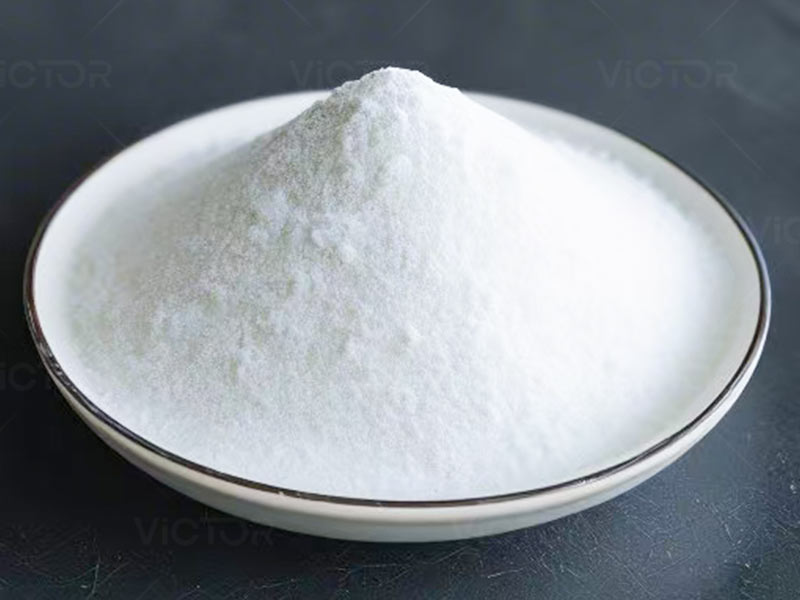
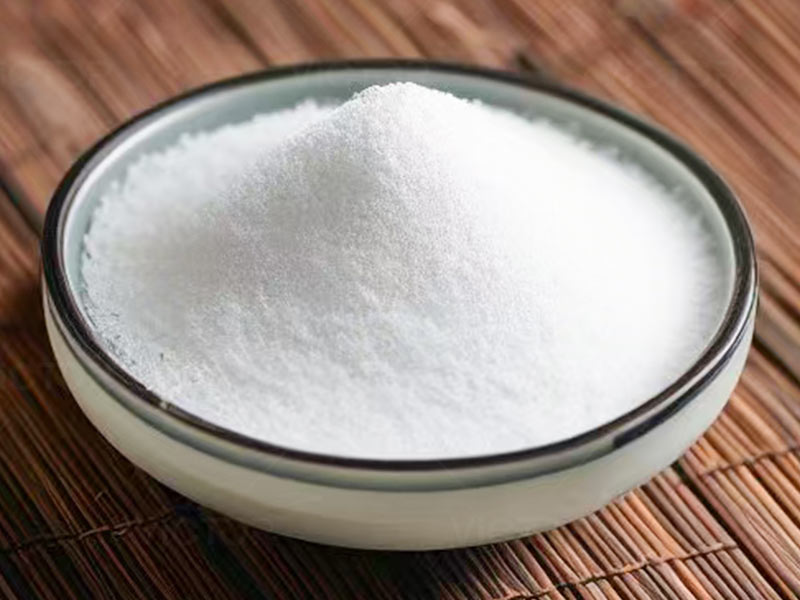
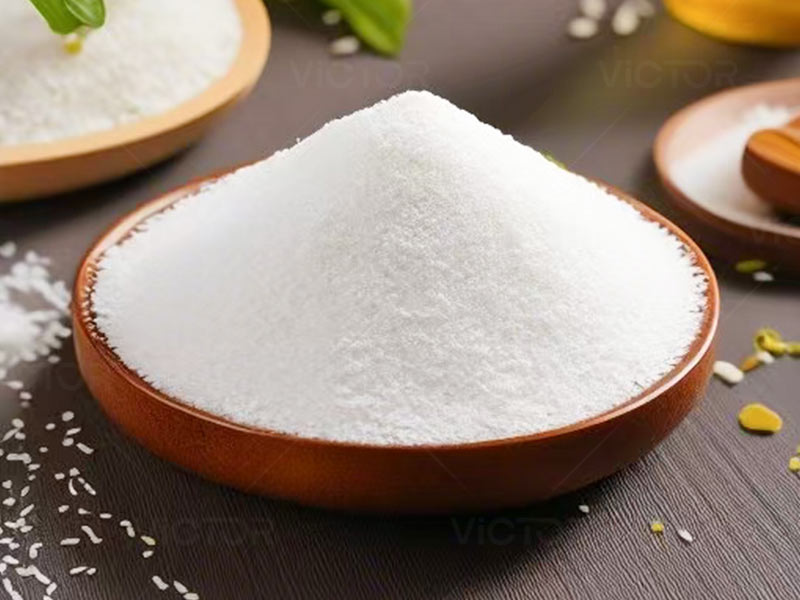
Non-ionic polyacrylamide is a variant within the polyacrylamide product family. It constitutes a high-molecular-weight polymer or electrolyte, exhibiting excellent water solubility. Its molecular structure incorporates a specific quantity of polar flocculating groups. These polar groups adsorb suspended solid particles within turbid water, forming bridging connections between these particles. Through charge neutralisation, the particles coalesce into larger flocs. Thus, non-ionic polyacrylamide accelerates the settling of suspended particles in wastewater. Treated turbid water exhibits markedly accelerated clarification and enhanced filtration of pollutants.
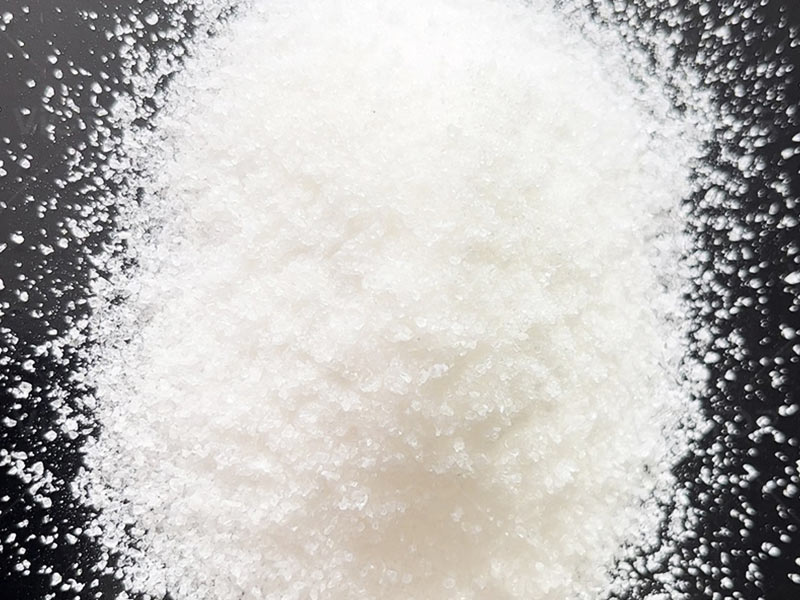
Heavy industry is recognised as a significant contributor to water pollution, with its effluent exhibiting several times the contamination levels of livestock waste, domestic sewage, and light industrial discharges. Non-ionic polyacrylamide specifically addresses these challenges. It finds extensive application in treating industrial wastewater and effluents, particularly in severe municipal sewage treatment where most effluents exhibit acidic properties. This is where non-ionic polyacrylamide outperforms any other flocculant. To reduce economic costs, it can be combined with inorganic flocculants such as polyferric chloride or polyaluminium chloride.
Non-ionic polyacrylamide is not only effective in turbid water treatment but also serves significant purposes in other fields. Within the petroleum industry, it finds application as a colouring additive in textiles. In papermaking, its use enhances paper brightness while improving tensile strength and tear resistance. In summary, non-ionic polyacrylamide is employed across numerous sectors, establishing itself as an indispensable auxiliary agent.