

Newstime:2026-03-13 Source:Polyacrylamide
Generally speaking, to achieve optimal water treatment results with polyaluminium chloride products, correct dissolution is essential. This is because the raw materials of polyaluminium chloride products are complex in composition. The finer these raw materials are ground, the higher the dissolution rate of aluminium oxide becomes. However, this also leads to insoluble substances being difficult to precipitate. Therefore, the correct dissolution of polyaluminium chloride products is crucial.
Currently, there are three methods for dissolving polyaluminium chloride products. Natural sedimentation, filtration via plate-and-frame filter presses, and the addition of coagulation aids such as polyacrylamide. Natural sedimentation typically requires extended periods and incurs significant costs, necessitating dedicated sedimentation tank construction. Utilising plate-and-frame filter presses entails substantial investment and operational expenses, naturally increasing overall costs. The addition of polyacrylamide as a coagulation aid represents a favourable alternative. Its dosage can be precisely controlled, delivering excellent purification results.
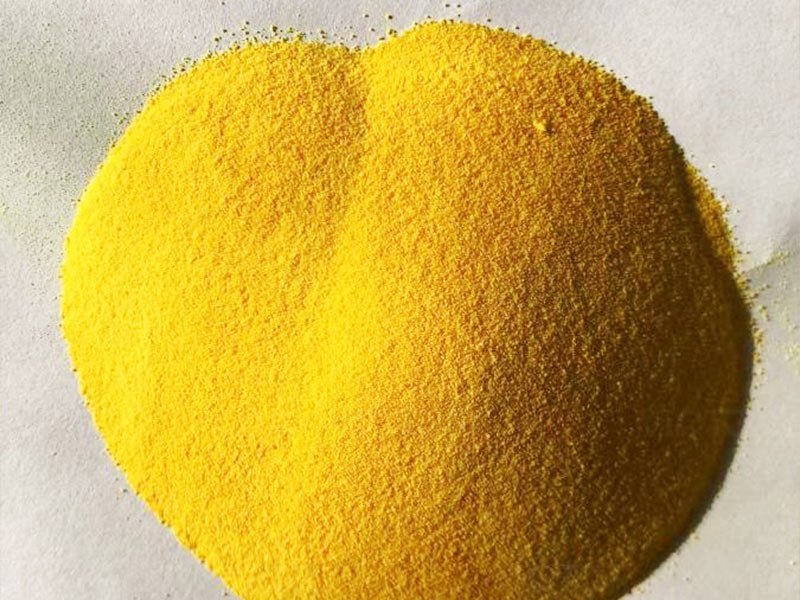
As a high-quality polyaluminium chloride product, it is suitable for water bodies with a pH range of 5-10. However, for optimal performance, the pH should ideally be maintained between 6 and 8. This effectively addresses the challenges faced by other water treatment chemicals, such as slow reaction rates and poor efficacy under low turbidity and low-temperature conditions.
Moreover, for optimal performance, attention must be paid to both the dosage ratio and application sequence. Under identical water quality conditions, the dosage should be progressively reduced as the polyaluminium chloride concentration increases. This is because products of varying concentrations require different application methods. In low-turbidity water, polyaluminium chloride should be diluted with water at a ratio of 1:3. This should then be further diluted with 10-30 times the volume of clean water to achieve the required concentration before use. Therefore, when treating domestic or industrial wastewater, it is advisable to initially add approximately 30 grams of polyaluminium chloride per tonne, followed by the diluted polyacrylamide product. Should the effect be insufficient, the dosage should be adjusted accordingly by either reducing or increasing the amount added. For specialised wastewater treatment, such as in paper mills requiring low-turbidity water, a lower dosage ratio should be employed. Should the effect remain unsatisfactory, the dosage may be increased. If the flocculation effect of polyaluminium chloride is inadequate during application, it may be used in combination with polyacrylamide. Additionally, acidic water requires neutralisation with sodium hydroxide before adding the appropriate flocculant to achieve flocculation and sedimentation for water purification.
The link to this article is: https://www.polyacrylamidepam.com/know/how-should-polyaluminium-chloride-be-dissolved-correctly.html
Copyright: Please credit the source when reproducing this content.2026-06-14
2026-06-11
2026-06-09
2026-04-11
2026-04-10