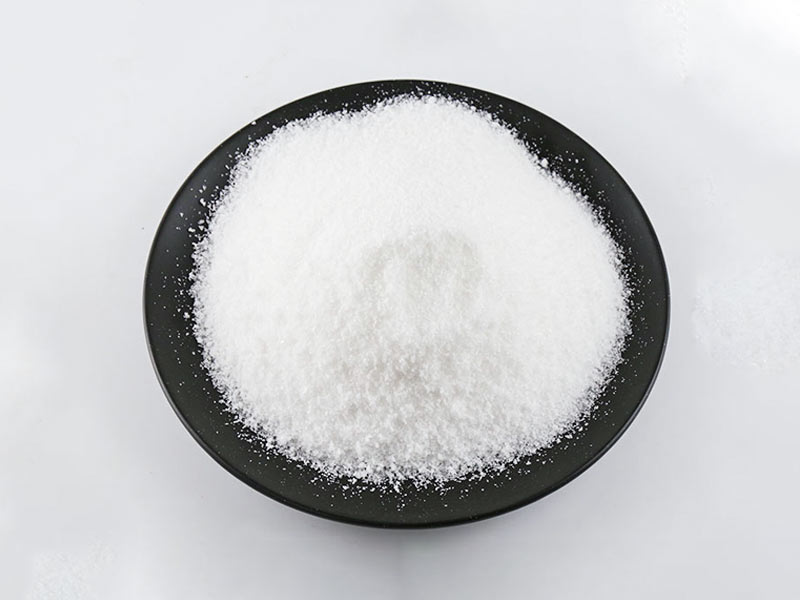
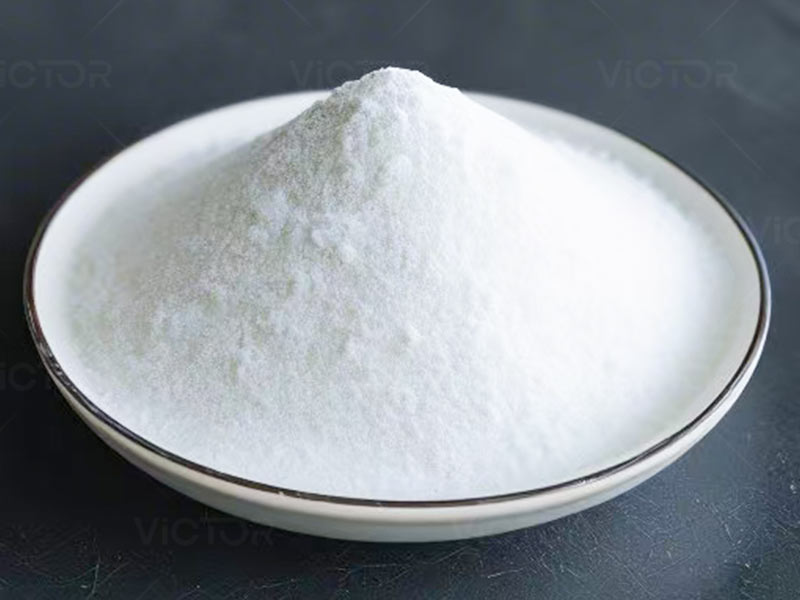
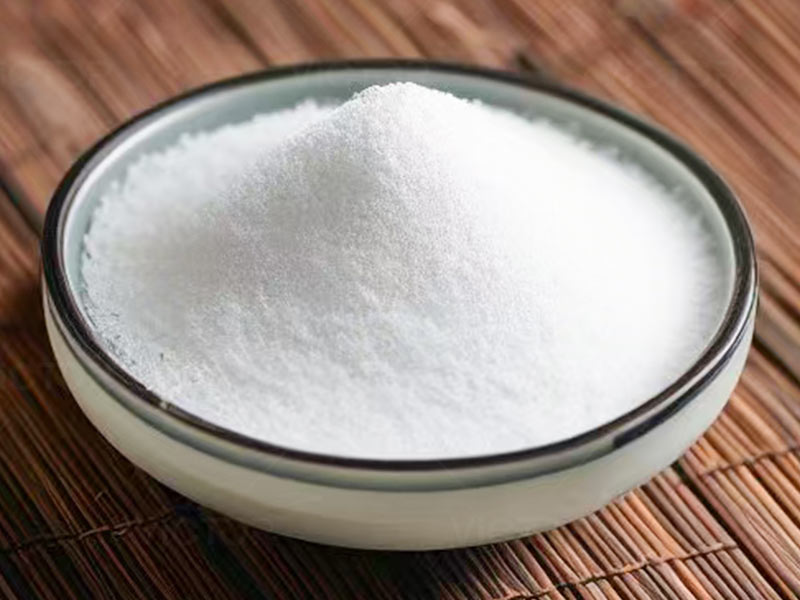
Plate-and-frame polyaluminium chloride is also a variant of polyaluminium chloride. It is produced using plate-and-frame filtration technology. This substance is highly environmentally friendly, generated through the chemical reaction between aluminium ore powder and hydrochloric acid. As an inorganic polymer, it stands as an ideal, economical, and highly efficient water purifier among coagulants.
Plate-and-frame polyaluminium chloride is an inorganic polymeric coagulant. It is a high-molecular-weight, highly charged inorganic polymeric water treatment chemical produced through the bridging action of hydroxide ions and the polymerisation of polyvalent anions. Polymeric aluminium chloride exhibits strong electrostatic neutralisation of colloidal substances in water. Its hydrolysis products demonstrate excellent bridging and adsorption effects on suspended solids, alongside selective adsorption of soluble substances.
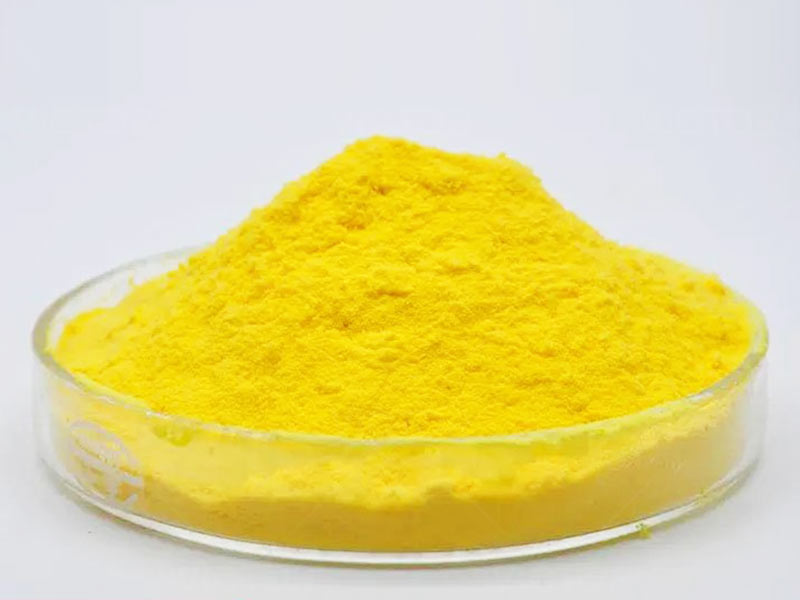
Victor Company's plate-and-frame polymeric aluminium chloride products are extensively employed in the purification of potable water, industrial water, domestic sewage, and industrial effluents. The application of plate-and-frame polyaluminium chloride exhibits low corrosivity towards water purification equipment. It significantly simplifies purification systems, thereby reducing the footprint of water treatment facilities and saving investment. It enables high-speed water purification, enhancing economic efficiency. This product effectively removes bacteria, odours, fluoride, aluminium, chromium, oils, turbidity, heavy metal salts, and radioactive contaminants. It finds extensive application in purifying diverse water sources. VICTOR's plate-and-frame polyaluminium chloride boasts high aluminium content. Turbid water treated with this product meets national drinking water standards.
Water quality after purification with plate-and-frame polyaluminium chloride surpasses that achieved with aluminium sulphate coagulants. Purification costs are 15-30% lower in comparison. It possesses numerous advantages. Plate-and-frame polyaluminium chloride forms flocs rapidly with swift settling rates, exhibiting greater treatment capacity than traditional products like aluminium sulphate. It consumes alkalinity in water, possessing lower alkalinity content than various inorganic coagulants. Consequently, alkaline agents may be omitted or used sparingly. The plate-and-frame type polyaluminium chloride exhibits broad applicability. It achieves coagulation across a wide pH range of 5.0–9.0 in source water. It possesses low corrosivity and is straightforward to operate. Its solubility surpasses that of aluminium sulphate. Water treated with plate-and-frame polyaluminium chloride exhibits minimal increase in salt content, facilitating ion exchange processes and high-purity water production. Its adaptability to source water temperatures exceeds that of inorganic coagulants like aluminium sulphate.