


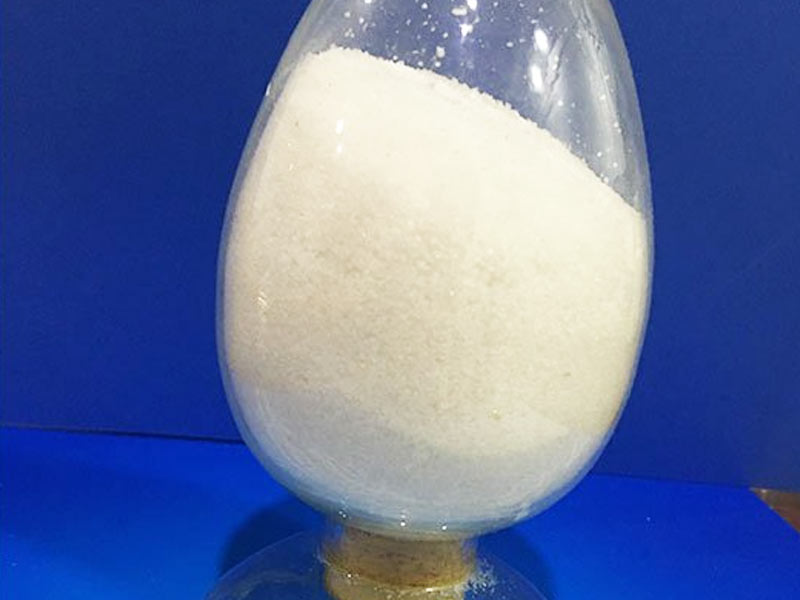
It is widely recognised that polyacrylamide serves as a versatile water treatment chemical in water purification processes. As a highly water-soluble polymer, it remains insoluble in most organic solvents. Consequently, thorough understanding of the water
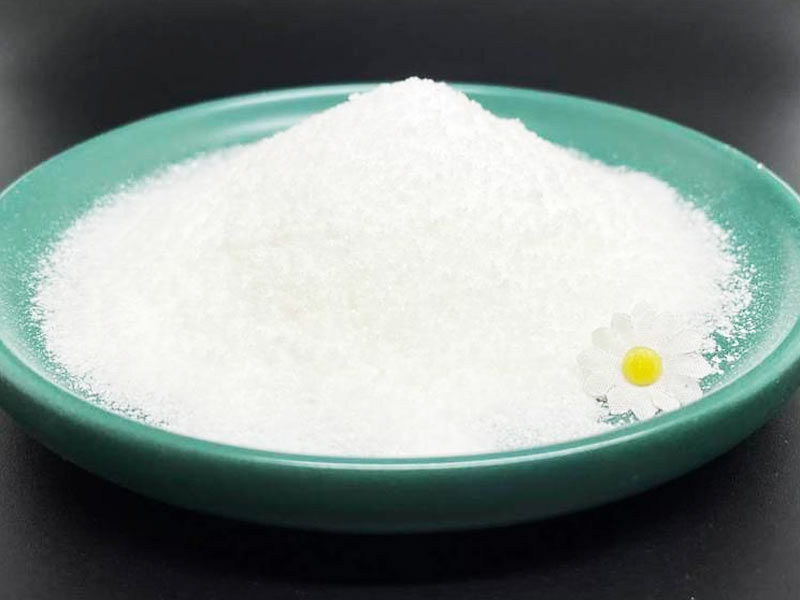
Industrial-grade polyaluminium chloride products enjoy extensive application across the market. Primarily designed for treating industrial wastewater, they deliver superior purification efficacy while reducing both treatment methods and associated costs.
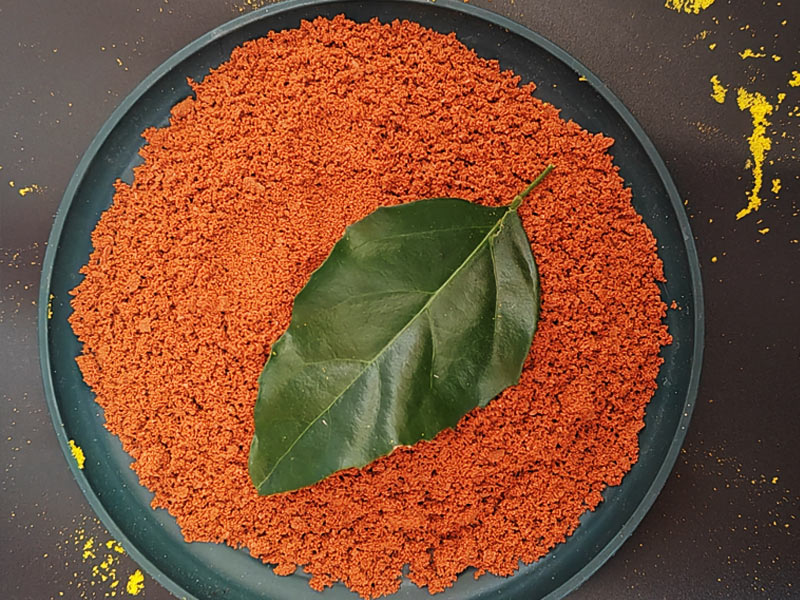
Polyaluminium chloride has seen soaring sales in recent years as a water treatment chemical. This surge correlates with China's rapid industrial expansion. As a commonly employed sewage treatment agent, it boasts low production costs and excellent effica
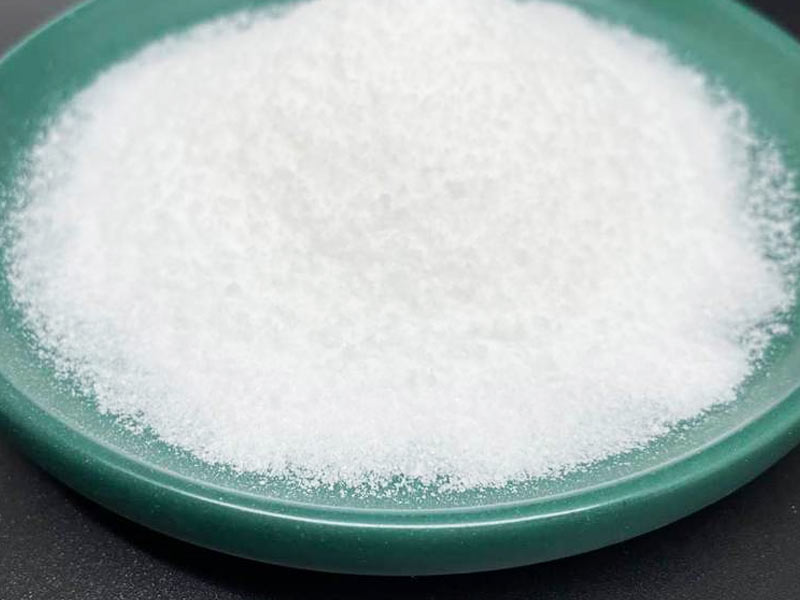
As a highly effective water treatment chemical, polyacrylamide is an organically derived polymeric flocculant developed at an early stage. It exhibits excellent flocculation properties and provides effective coagulation assistance.
With the rapid advancement of industry, the petrochemical sector and video production industry have experienced vigorous growth. This has consequently led to a significant increase in oily wastewater discharged from industrial processes.
When purchasing products, what factors do you prioritise? Many would likely focus on price first, followed by material quality. They assess whether quality correlates with cost. But does this price-driven approach also apply when selecting water treatment
In addition to its use as a water purification agent, polyacrylamide can also be employed for sludge dewatering. It is applied to assist and enhance sludge dewatering processes, demonstrating potent efficacy. During sludge dewatering...
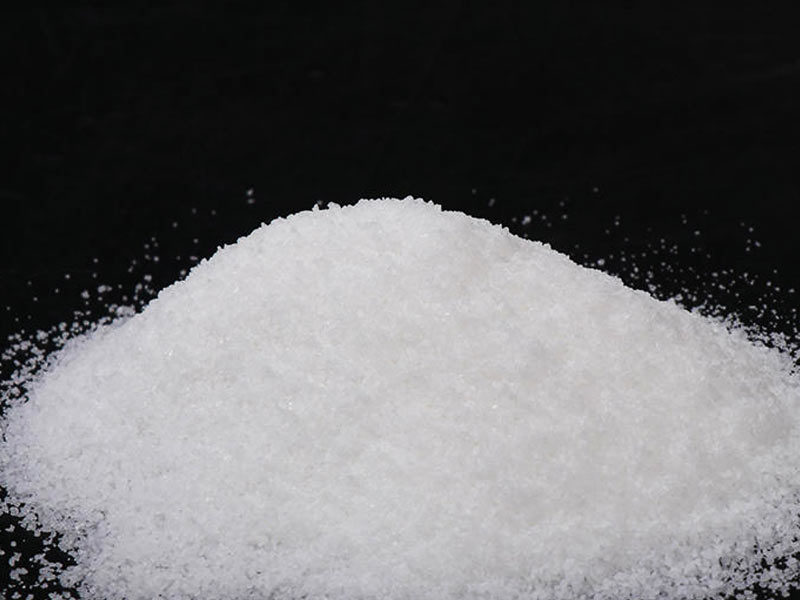
When selecting water treatment chemicals, we typically face the issue of model selection. Once the model is chosen, the next consideration is usage. Take polyacrylamide products, for instance. We often opt for solid formulations during application, necess
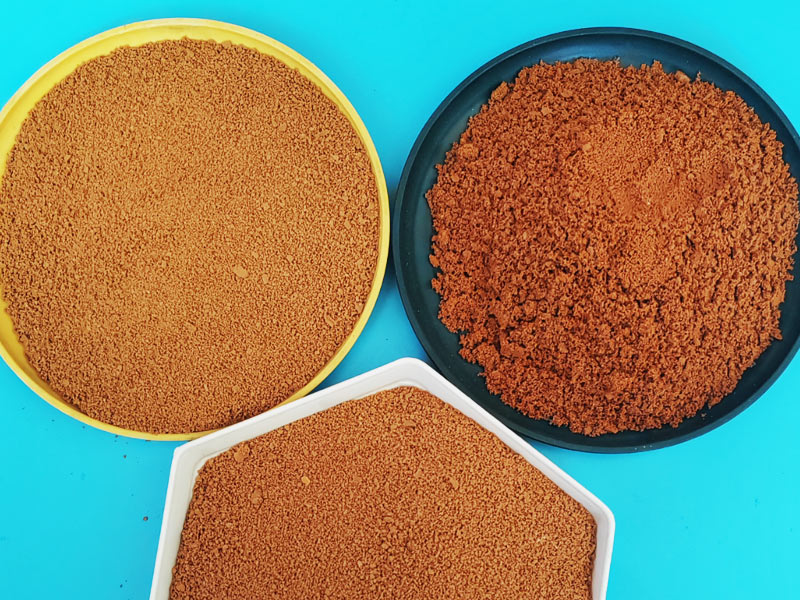
During our water purification processes, we observe that water treatment products come in considerable variety, differing in composition and formulation. Take polyaluminium chloride products, for instance: employing different grades yields distinct outcom
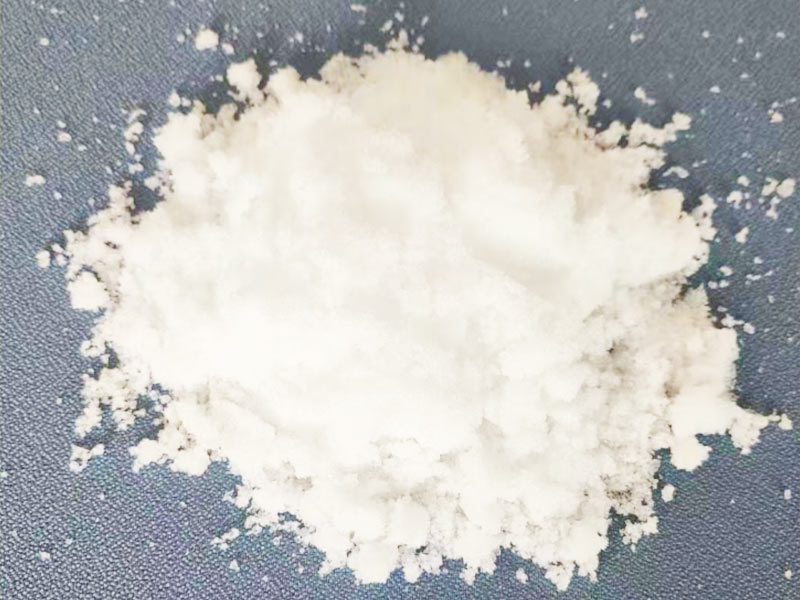
Generally speaking, when employing anionic polyacrylamide as a flocculant, it facilitates the bridging of particles to form larger flocs in wastewater treatment. This occurs particularly in water with neutral or alkaline pH, where suspended particles are
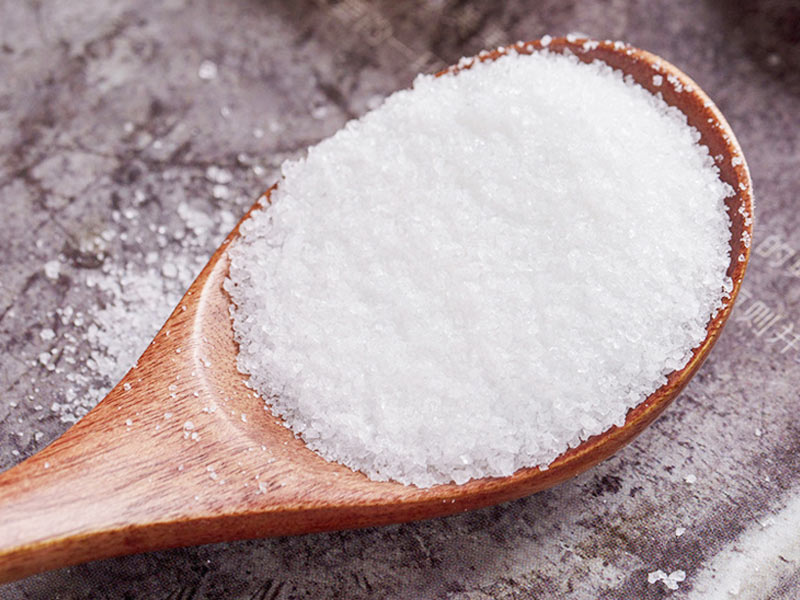
Polyacrylamide, as a widely used and highly effective water treatment chemical, is categorised into anionic, cationic, non-ionic, and amphoteric types. Different grades require varying dosages and application methods. Moreover, usage and dosage also diffe
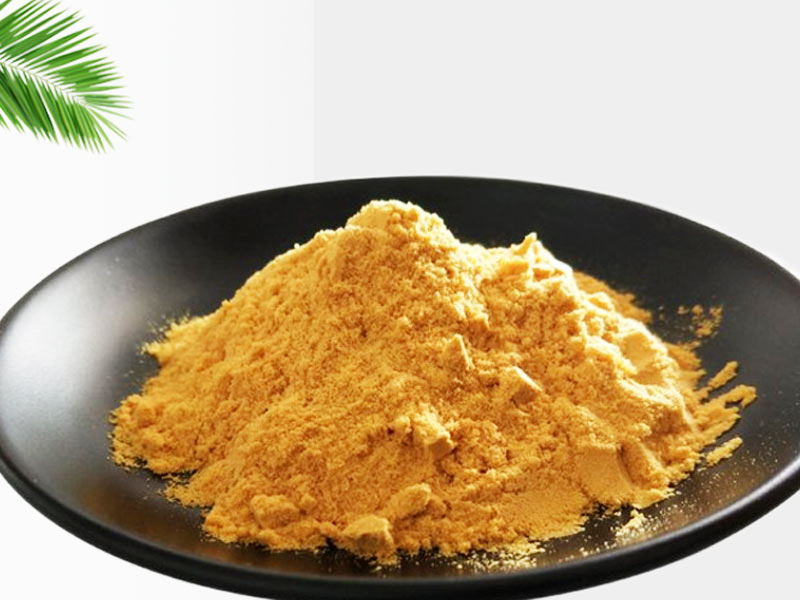
As a high-molecular-weight inorganic coagulant, the efficacy of polyferric sulphate as a flocculant in wastewater treatment is significantly influenced by its quality. Criteria for assessing this quality include iron content, basicity, density, pH value,
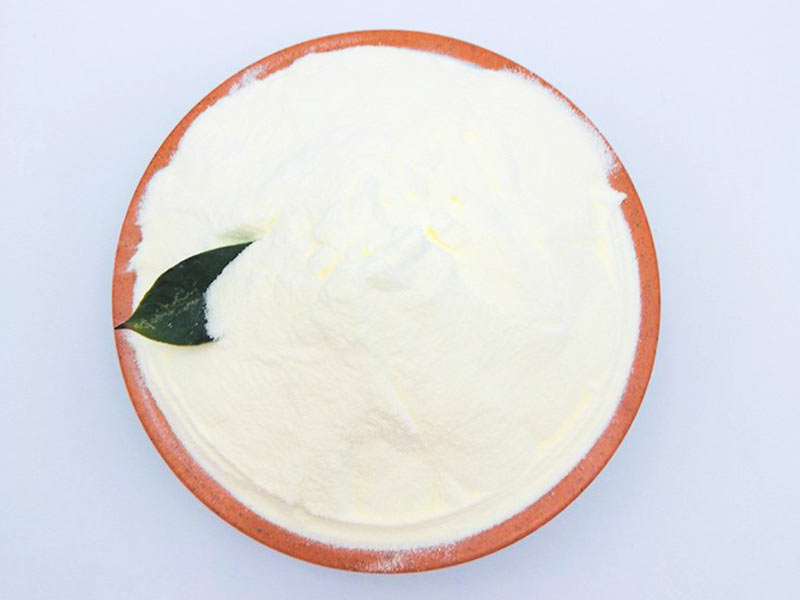
In the realm of polyaluminium chloride, it is widely recognised that white products represent superior quality with higher concentrations. As awareness of its benefits grows, its applications continue to expand. As is well known, white products meet food-
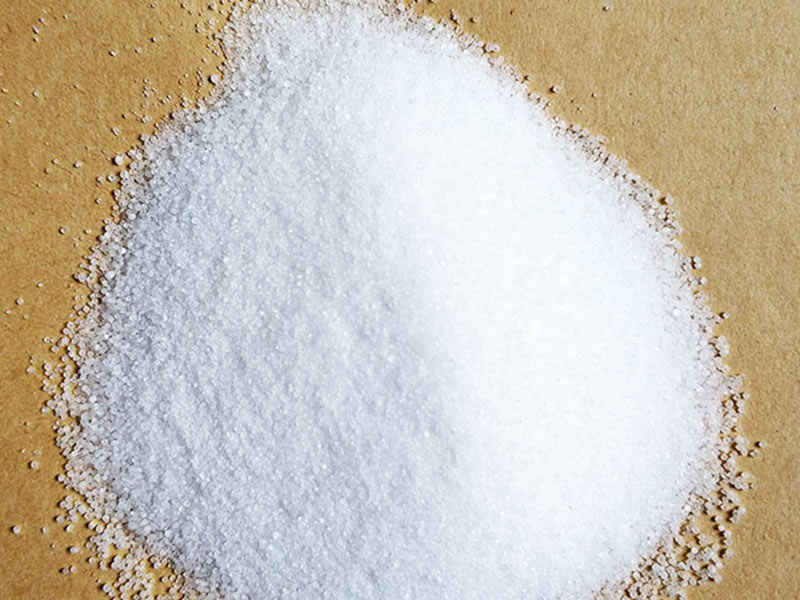
As a water-soluble polymer, cationic polyacrylamide is a water treatment chemical with excellent flocculation properties. It is insoluble in most organic solvents. Analysed by ionic characteristics, polyacrylamide can be categorised as cationic, anionic,
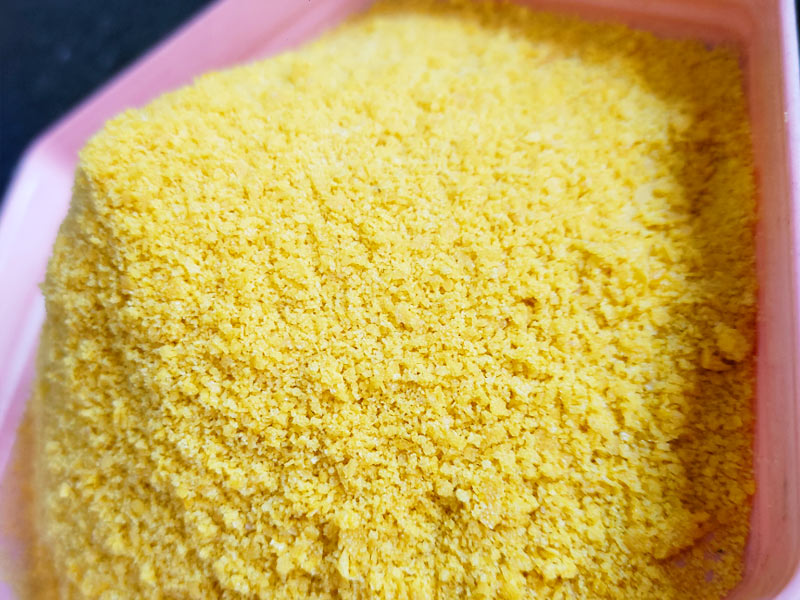
Nowadays, water in most cities undergoes treatment with chemical agents. When using this treated water, one might wonder whether it carries an odour. In truth, if one is sensitive to smells, many waters possess a distinct scent.