VICTOR's sodium hydroxide serves as an alkaline cleaning agent in water treatment processes. It is soluble in ethanol and glycerol but insoluble in propanol and diethyl ether. At elevated temperatures, it also exhibits corrosive effects on sodium carbonate. It undergoes disproportionation reactions with halogens such as chlorine, bromine, and iodine. It neutralises acids to form salts and water. Sodium hydroxide, chemical formula NaOH, commonly known as caustic soda or lye, is a highly corrosive chemical substance. VICTOR's
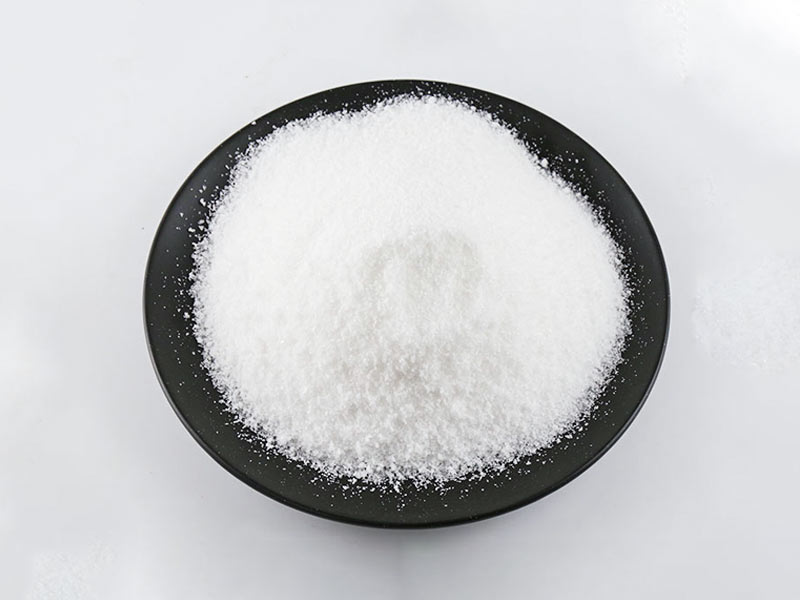
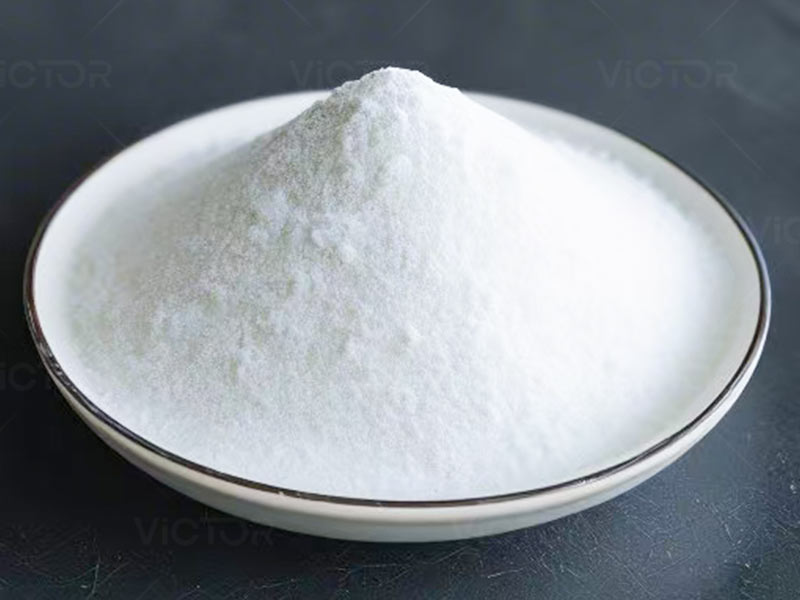
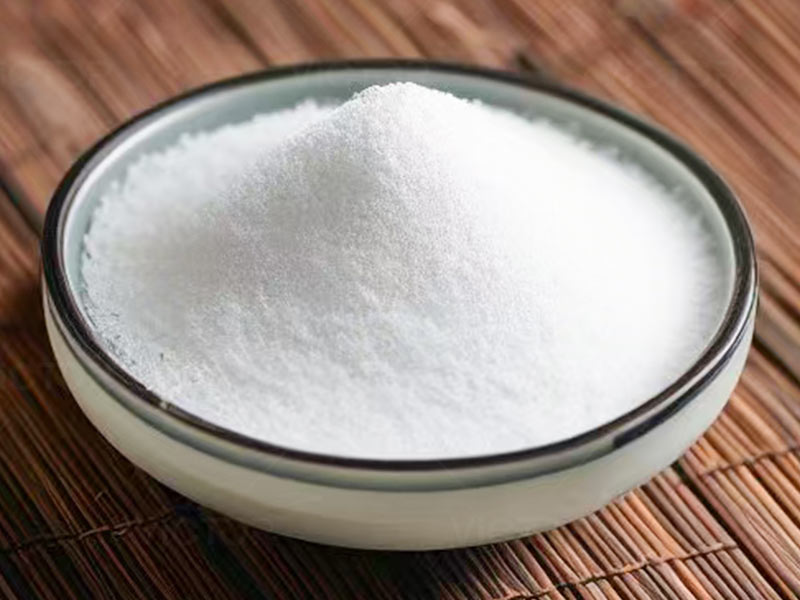
polyaluminium chloride product also possesses corrosive properties, though not to the same degree as sodium hydroxide. It does not pose significant hazards to human health. Sodium hydroxide typically exists as flakes or granules and is highly soluble in water. Dissolution releases heat, forming an alkaline solution. It exhibits deliquescence, readily absorbing atmospheric moisture to become damp and deteriorate upon reaction with carbon dioxide, thereby rendering it chemically ineffective. Sodium hydroxide is an essential chemical in laboratories and a common industrial chemical. The pure form is a colourless, transparent crystal with a density of 2.130 g/cm³. Its melting point is 318.4°C and boiling point is 1390°C. Industrial-grade products contain trace amounts of sodium chloride and sodium carbonate, appearing as white, opaque crystals. It is available in block, flake, granular, and rod forms.
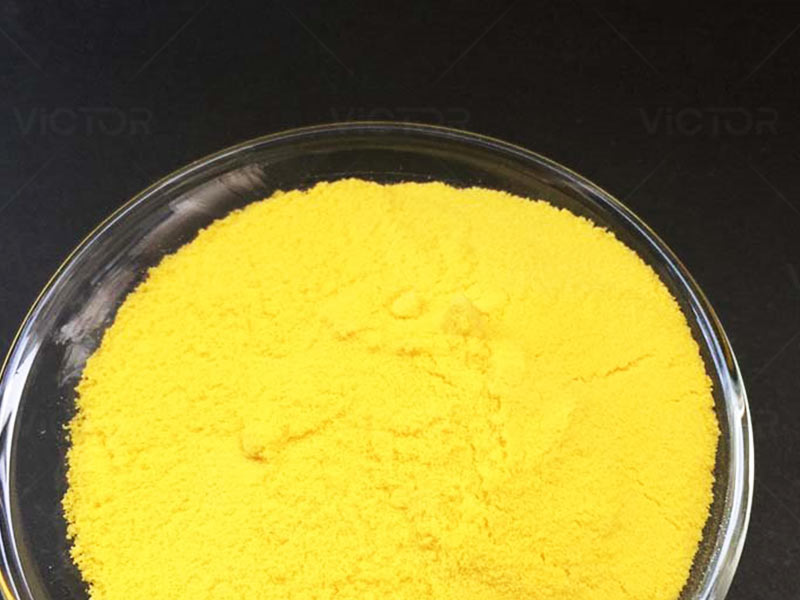
Sodium hydroxide is extensively employed as a neutralising agent in the water treatment industry. Within the chemical sector, it finds broad application in the manufacture of various sodium salts, soap production, papermaking, cotton processing, silk treatment, viscose fibre production, rubber product regeneration, metal cleaning, electroplating, and bleaching. Flake caustic soda exhibits strong corrosive properties, necessitating specific safety precautions for its handling. Polymerised aluminium chloride demonstrates distinct advantages over sodium hydroxide in water purification. It simplifies wastewater treatment, achieving effective coagulation and sedimentation performance at lower temperatures without requiring excessive heating to enhance solid-liquid separation efficiency. Unlike other flocculants that necessitate specific temperatures for flocculation, it significantly reduces sedimentation tank retention time, thereby effectively increasing water production. Polymerised aluminium chloride exhibits limited corrosiveness, requiring hospital treatment only in cases of substantial ingestion. Sodium hydroxide demands stricter storage conditions, necessitating airtight, dry containment to prevent efficacy degradation. Polymerised aluminium chloride, however, may be stored at ambient temperatures. Even if deliquescence occurs, its performance remains unaffected.