Industrial-grade
polyaluminium chloride products enjoy extensive application across the market. Primarily designed for treating industrial wastewater, they deliver superior purification efficacy while reducing both treatment methods and associated costs. These products have proven highly effective in wastewater treatment processes for numerous enterprises.
Industrial-grade polyaluminium chloride is chiefly employed to treat diverse industrial effluents, including dyeing wastewater, papermaking effluent, metallurgical waste water, and similar streams. What advantages does the industrial-grade product offer in water treatment processes? As a widely used water purification agent in industrial wastewater treatment, it demonstrates remarkable efficacy. It can achieve up to 96% turbidity removal in industrial wastewater treatment. Furthermore, it effectively reduces colour, COD, and metal ions in industrial effluents. It also excels at purifying industrial wastewater containing radioactive substances. It is a valuable asset in industrial wastewater treatment.
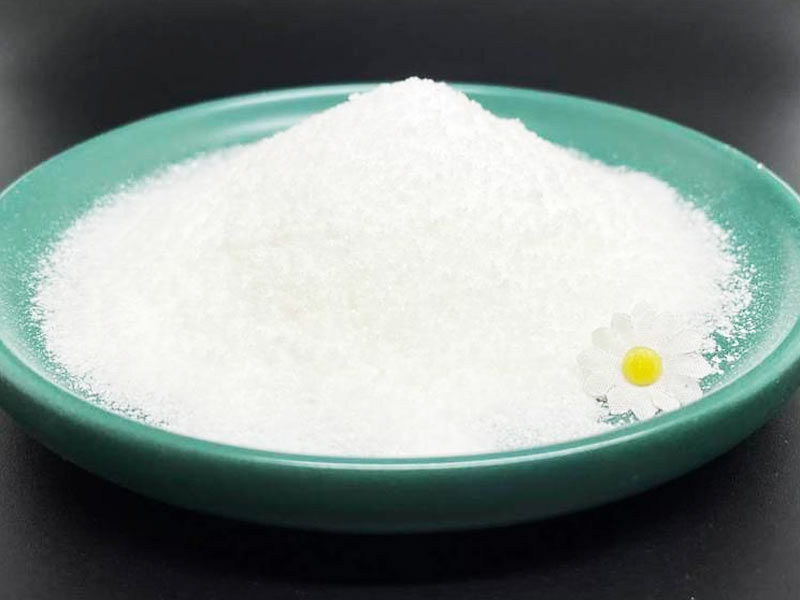
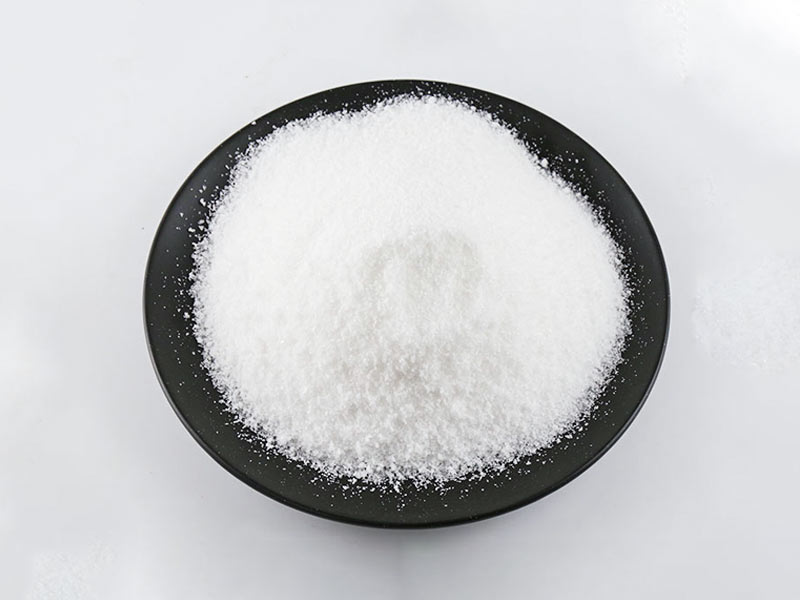
What are the characteristics of industrial-grade polyaluminium chloride? Industrial-grade products typically appear as yellow, pale yellow, or brownish granular solids. Their active content generally ranges between 20% and 30%. For water treatment, their primary function is to induce flocculation. Consequently, they are extensively employed in both industrial wastewater and industrial water treatment. Due to the higher proportion of insoluble substances in industrial-grade products, we need only meet general industrial wastewater treatment standards. In contrast, potable-grade products impose stricter requirements on insoluble matter. Industrial-grade products are suitable for wastewater discharge when metal content restrictions are less stringent. While they may not match the quality of potable-grade products in many aspects, they deliver excellent results in treating industrial wastewater and industrial water. Coupled with their low cost, they are highly favoured by users.
Given the widespread application of industrial-grade polyaluminium chloride products, its water purification efficacy is pronounced. It exhibits rapid flocculation and sedimentation, and even when added in excess, does not cause water turbidity. It maintains stable coagulation performance across a broad range of water temperatures. Operation is straightforward with minimal corrosion risk, and prolonged use does not lead to pipeline blockages. Naturally, should specific requirements exist regarding the content or quality of industrial-grade polyaluminium chloride products, customisation is available to better fulfil diverse user needs.