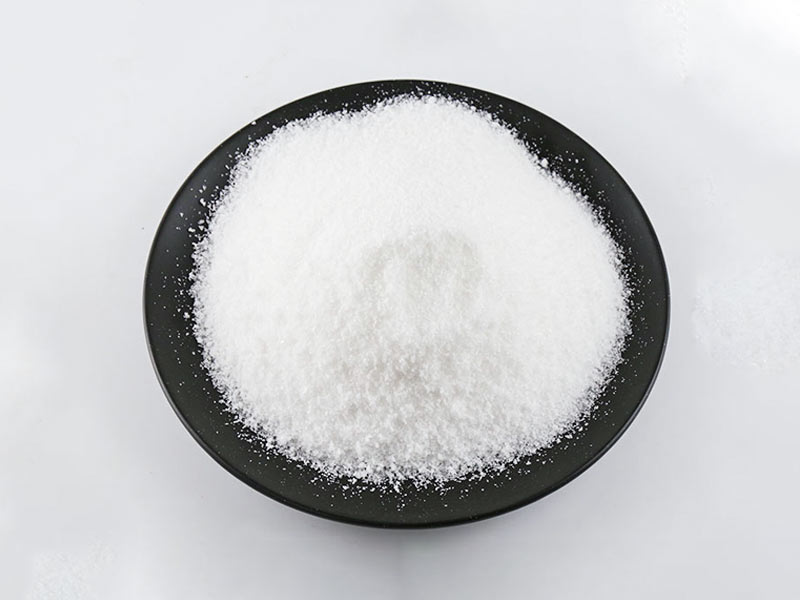
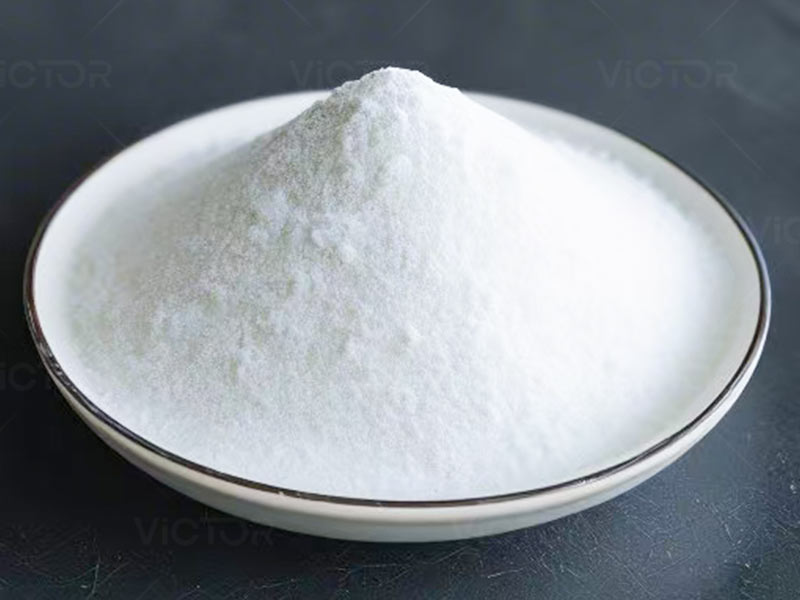
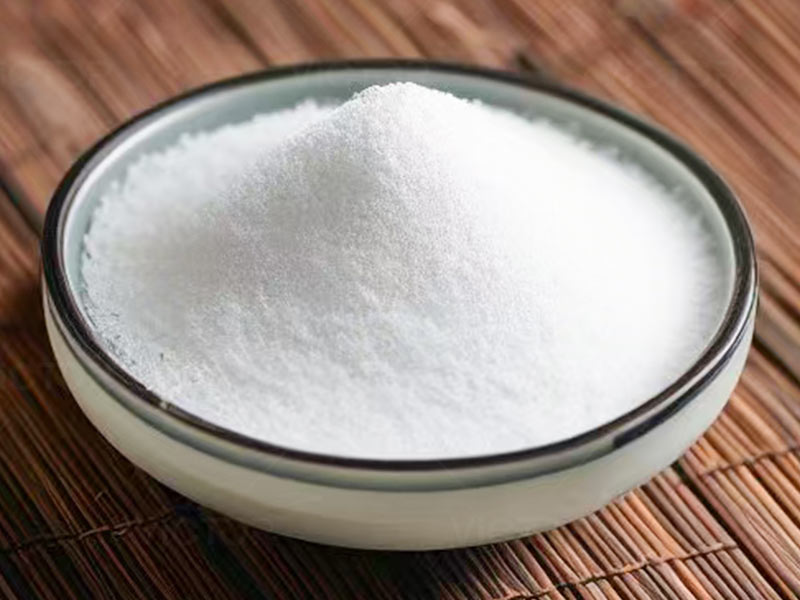
The dosage of cationic
polyacrylamide products during use can be said to directly impact their efficacy. Variations in water quality and wastewater volume also necessitate differing addition rates. In this regard, achieving satisfactory purification results fundamentally requires a rationally determined dosage. So, what factors influence purification effectiveness in practical applications?
Water quality and concentration: It is important to recognise that the water quality and concentration of wastewater from different factories bear a significant relationship to the dosage of polyacrylamide. For instance, even within sand washing plants, variations in wastewater composition and silt content lead to differing dosage requirements. Furthermore, even with identical silt content, regional variations in silt composition can result in differing product usage. Concurrently, the water quality of industrial wastewater from chemical plants, pharmaceutical factories, and similar facilities is more complex than that of sand washing plants. Minor variations can thus necessitate adjustments to dosage.
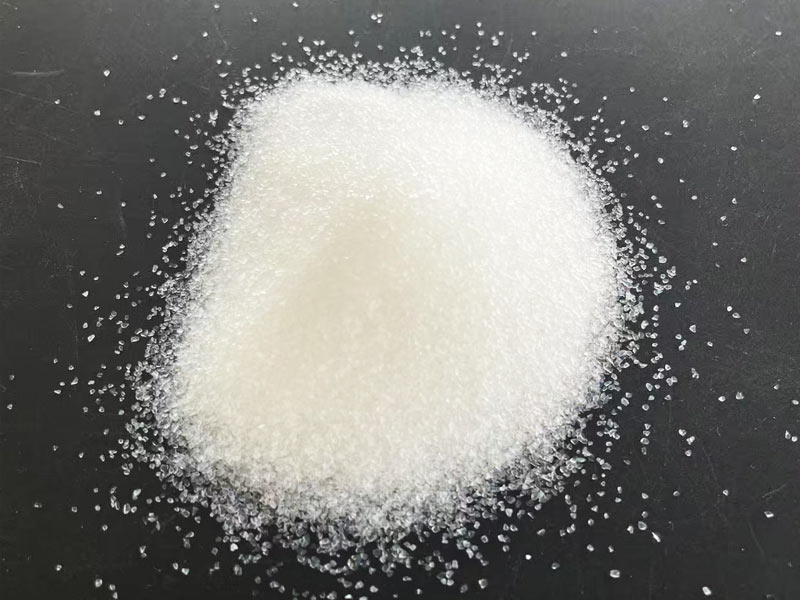
Secondly, on-site operational conditions introduce additional factors affecting efficacy. These include dissolution concentration, dissolution time, flocculation duration, and equipment specifications. Higher dissolution concentrations may increase flocculation difficulty while complicating dosage control. Conversely, insufficient dissolution time risks chemical wastage and excessive consumption. Short coagulation periods may lead to chemical wastage. Equipment performance varies between manufacturers, particularly in filtration efficiency. During actual operation, the equipment significantly influences chemical dosage requirements.
Finally, product specification selection is crucial. The grade of cationic polyacrylamide determines dosage. For instance, higher molecular weight does not inherently equate to superior performance. For most water qualities, selecting the appropriate grade is essential for optimal results. Products with molecular weights of 18 million and 8 million require testing against specific water conditions before selecting the suitable option. Consequently, even when applied to identical water sources, dosage requirements for these two molecular weights can differ by a factor of two or more. This underscores the critical importance of correct specification selection.
In summary, numerous factors influence both the dosage and efficacy of cationic polyacrylamide. Consequently, when determining the product and dosage, it is essential to conduct trials before making a selection. Establishing the precise model and dosage required will achieve the desired outcome: minimal usage, low cost, and optimal performance.