



The escalating issue of water pollution has prompted increasing recognition of the importance of wastewater treatment. Various water purification agents have consequently become highly sought after. Polyferric sulphate is one such agent. As a water treatm
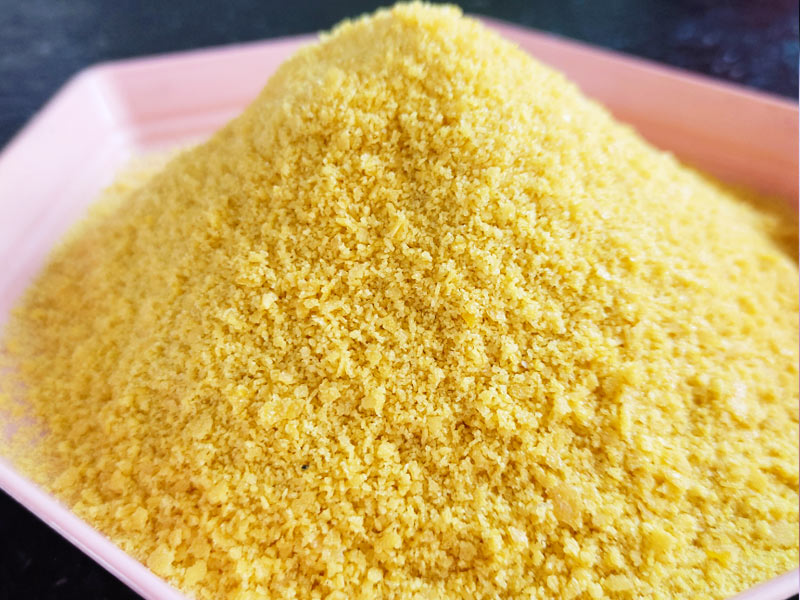
Although polyaluminium chloride serves as an effective water treatment flocculant, its relatively high alumina content and comparatively dry particles render it prone to moisture absorption. Consequently, many express concern regarding its susceptibility
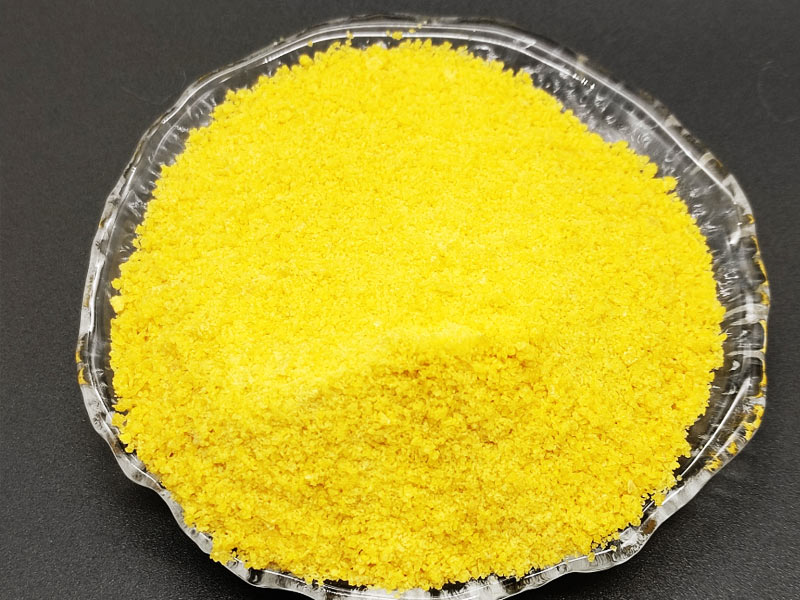
The use of chemical agents to treat wastewater during water treatment has become a widely adopted method. Due to their broad applicability, straightforward processing, and low disposal costs, water purification chemicals remain prevalent in the treatment
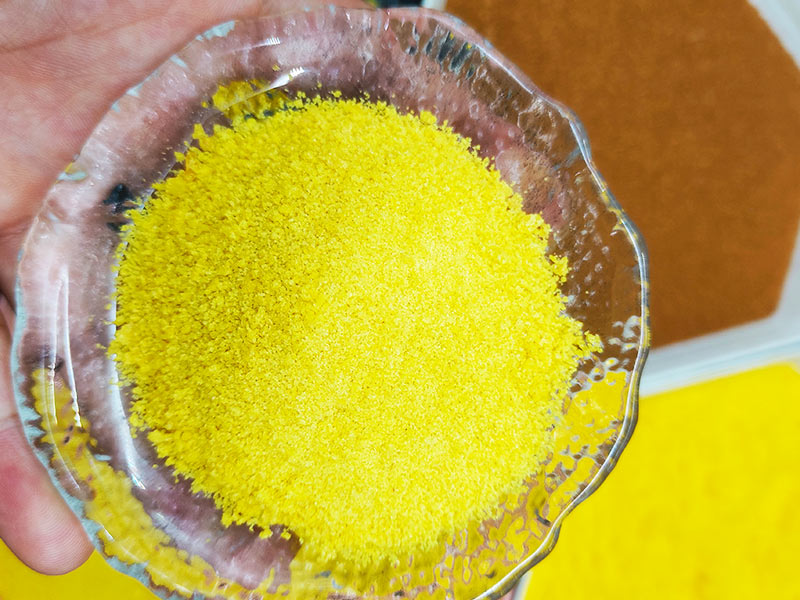
As environmental protection gains greater prominence, demands on water quality have become increasingly stringent. Beyond requirements for wastewater discharge standards, drinking water specifications are subject to even more meticulous scrutiny. Conseque
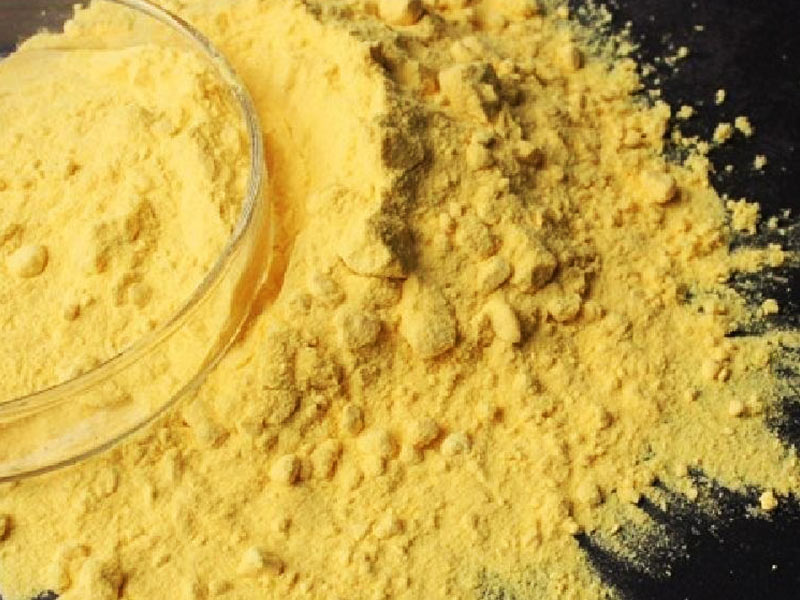
Nowadays, people are paying increasing attention to wastewater treatment. A wide variety of water purification chemicals are being employed in ever-growing numbers. Examples include polyaluminium chloride, polyaluminium ferric chloride, polyacrylamide, an
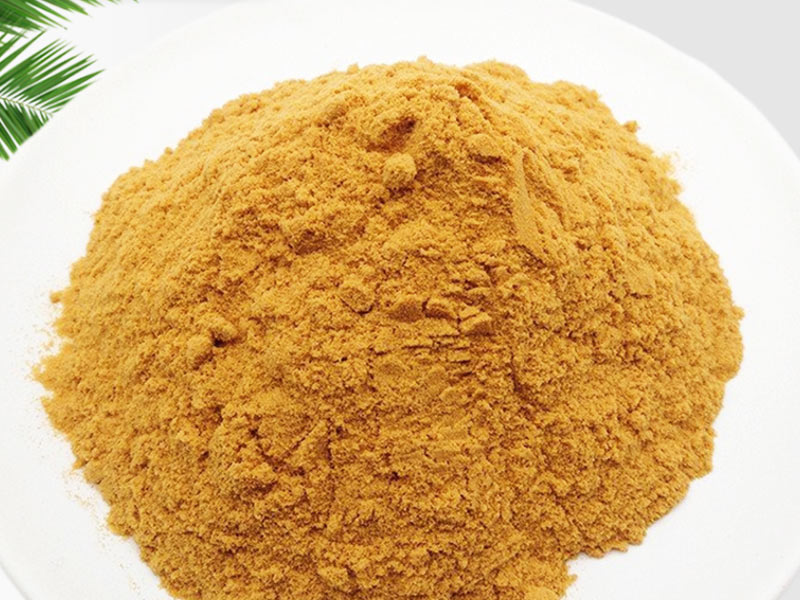
The role of polyferric sulphate in water treatment processes cannot be overlooked. As a water treatment chemical, polyferric sulphate demonstrates unique efficacy in treating specific types of wastewater, such as phosphorus-containing effluents, thereby b
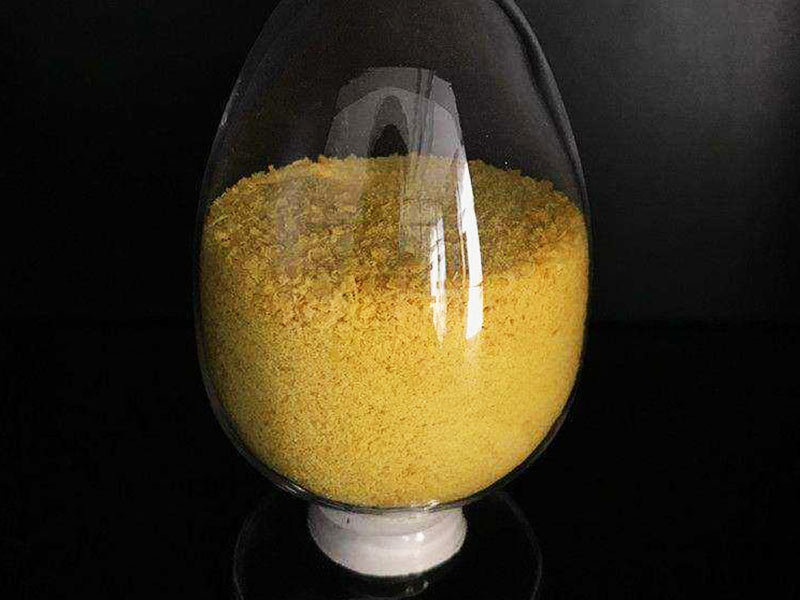
With heightened environmental awareness and the accelerated advancement of national ecological civilisation initiatives, environmental protection has become a priority task. This has fostered a new understanding of environmental conservation among an incr

The role of anionic polyacrylamide in wastewater treatment is quite evident. However, its effective performance has led many to question its cost, making price a topic of considerable interest. So, is anionic polyacrylamide expensive? What factors influen
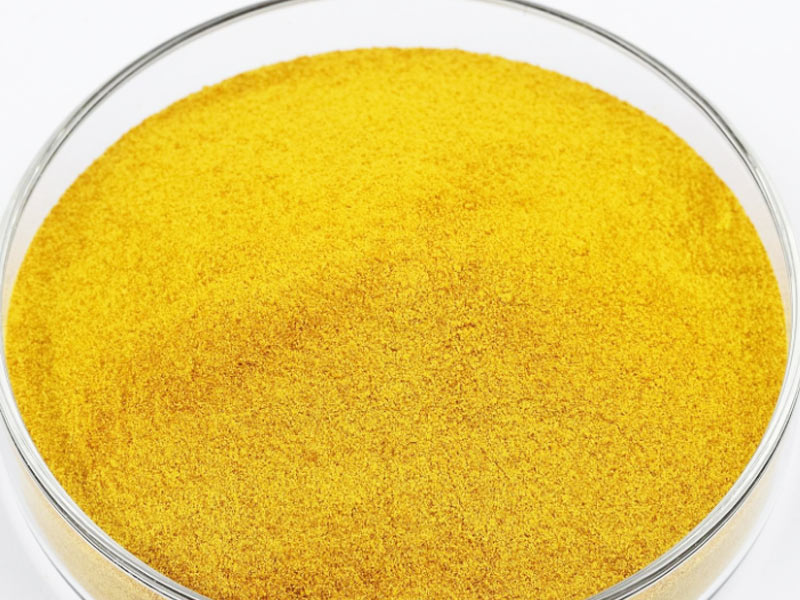
During the application of polyaluminium chloride, distinctions are made between potable-grade, industrial-grade, and food-grade variants based on the specific industry requirements. Industrial-grade polyaluminium chloride serves as a treatment agent for i

As a commonly used water purification flocculant, polyaluminium chloride is widely recognised. It finds extensive application across diverse industrial sectors. However, despite its familiarity, its efficacy varies considerably during use. Why is this? Wh
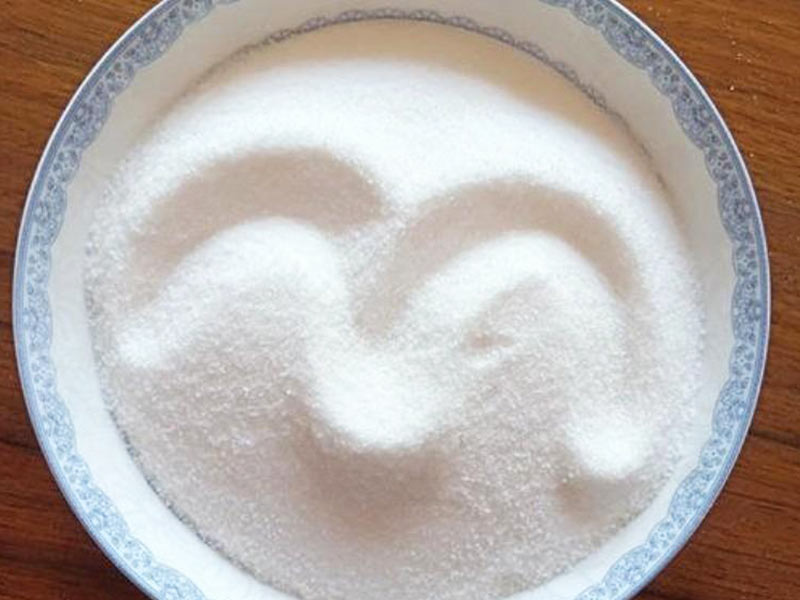
With the advancement of industrialisation and urbanisation, the volume of municipal wastewater generated has been increasing year on year. This poses significant challenges for urban sewage treatment plants.
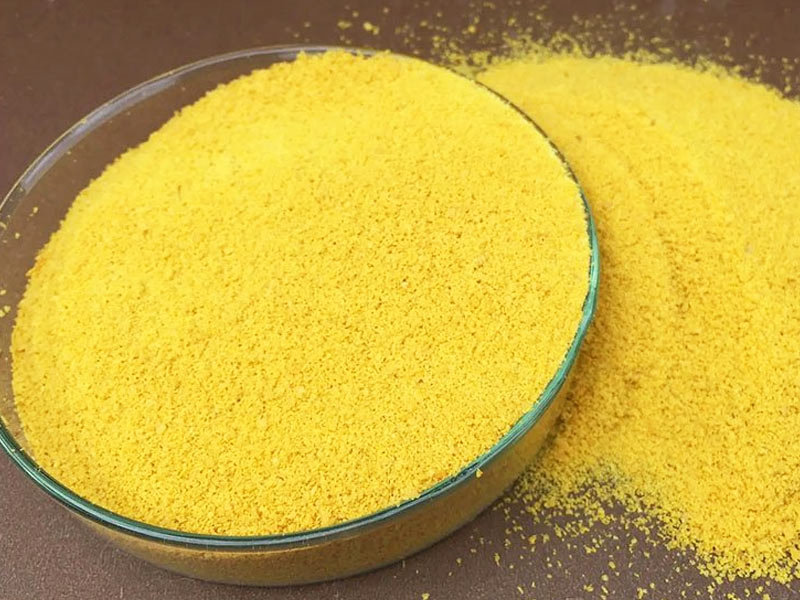
What are the respective application scopes of these water treatment chemicals? Their applicability is actually quite extensive, suitable for water treatment across multiple industries. Examples include municipal sewage treatment, construction material was
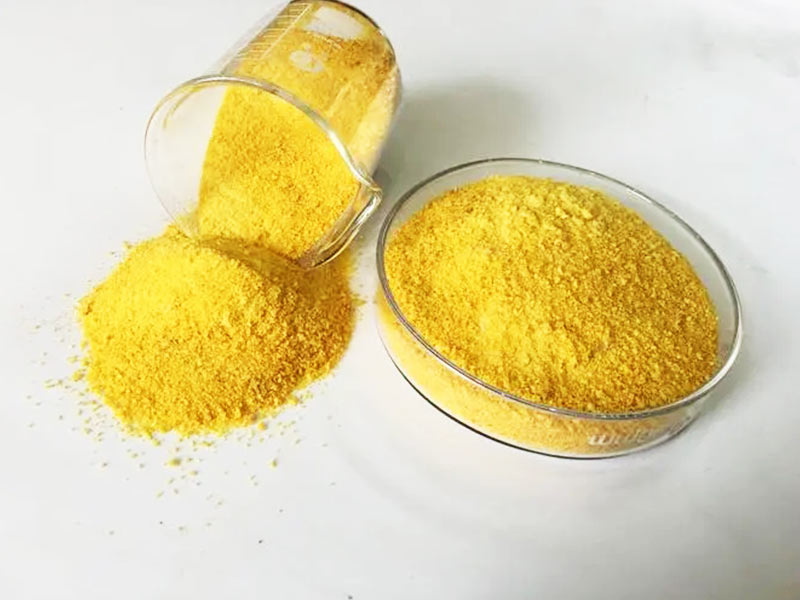
As a commonly used water purification chemical in daily wastewater treatment processes, polyaluminium chloride is indispensable. Being a high-molecular-weight inorganic coagulant, it offers numerous advantages in treating both industrial and domestic sewa
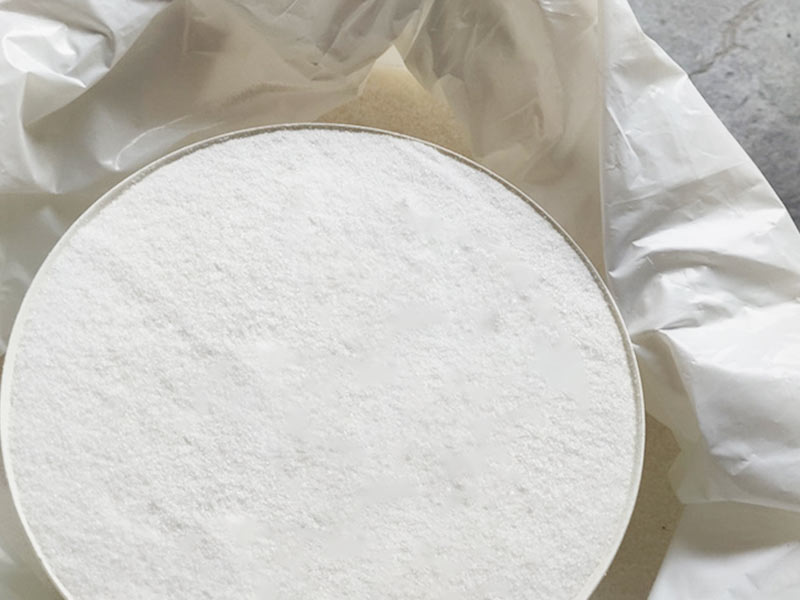
Among all water purification agents, polyacrylamide stands as a particularly high-end product. Classified by molecular weight, polyacrylamide is categorised into cationic, anionic, amphoteric, and non-ionic types. Today, we shall focus specifically on cat
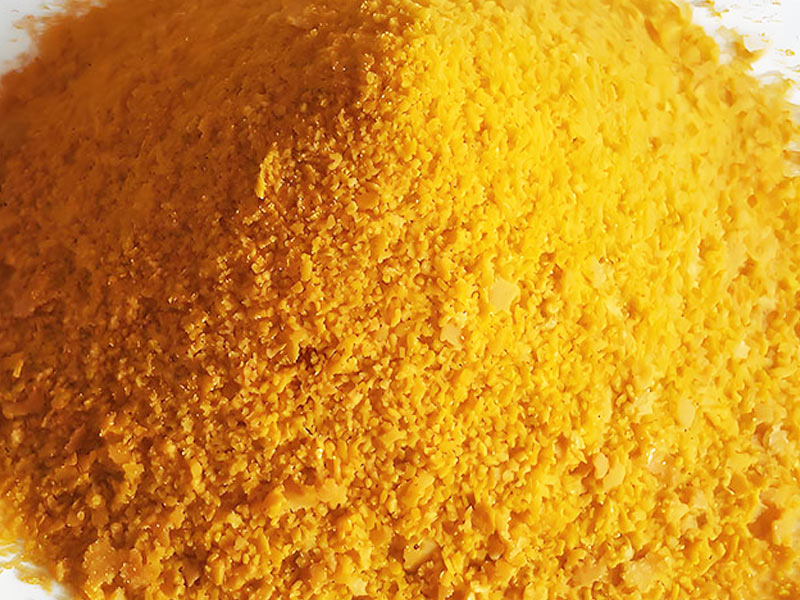
With the increasingly widespread application of polyaluminium chloride products, the number of manufacturers has grown substantially. Consequently, competition has intensified, leading to significant price fluctuations and considerable variations in marke