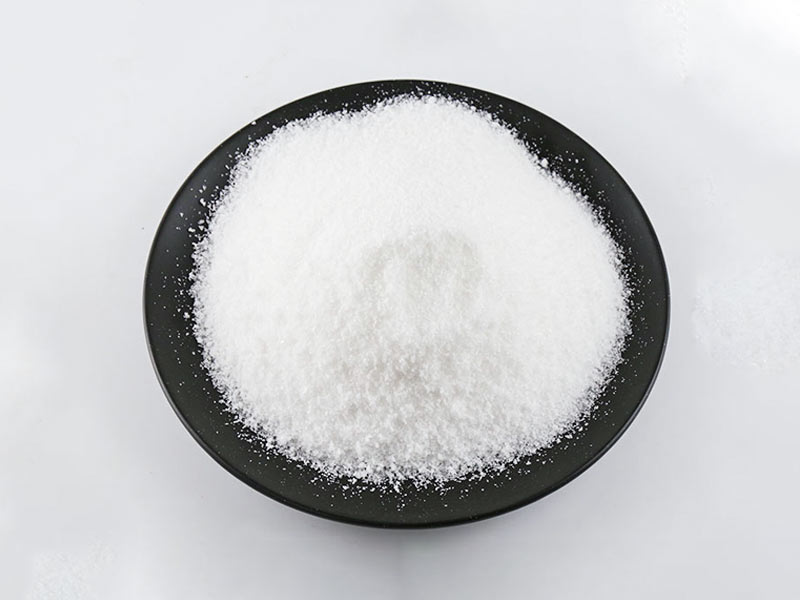
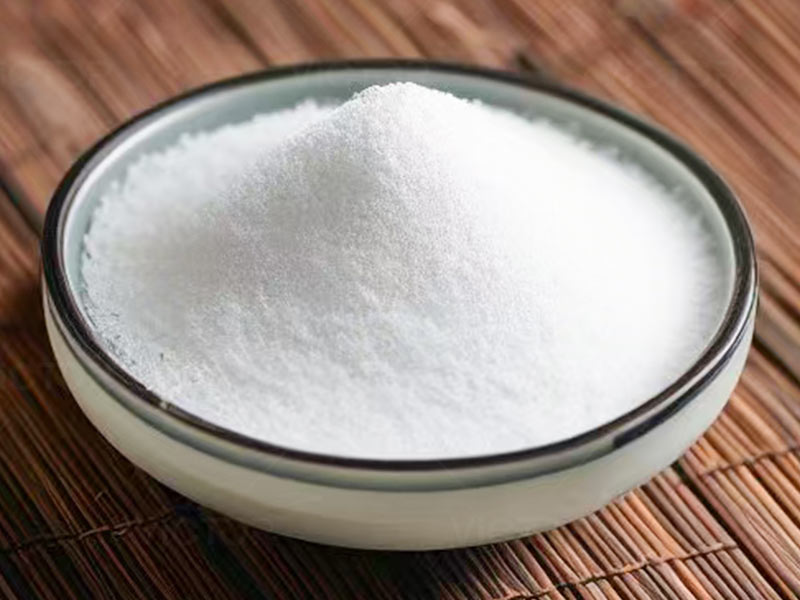
Polyacrylamide is a widely used water treatment chemical. It is also a chemical product. Due to its effective performance and broad application across various industries, it has gained considerable acclaim. Generally, its molecular weight ranges between 5 and 18 million. Higher molecular weight results in greater product viscosity. However, it is important to understand that higher molecular weight does not necessarily equate to superior performance in use. The appropriate molecular weight must be selected based on the specific application sector, water treatment equipment, and other factors.
Specifically, polyacrylamide can be categorised by molecular weight into low molecular weight, medium molecular weight, and high molecular weight types. Low molecular weight typically falls below 1 million. Medium molecular weight ranges from 2 to 4 million. High molecular weight exceeds 7 million. Regarding usage types, there are anionic, cationic, non-ionic, and amphoteric varieties. Non-ionic types have molecular weights between 8 and 15 million. Anionic types range from 8 to 20 million, while salt ion types span 8 to 12 million. Their ionisation degree falls between 10% and 80%. Usage quantities are comparatively low compared to other products, typically requiring 0.1 to 0.3 grams per tonne of wastewater. Among all amide products, those with molecular weights exceeding 10 million are the most widely utilised.
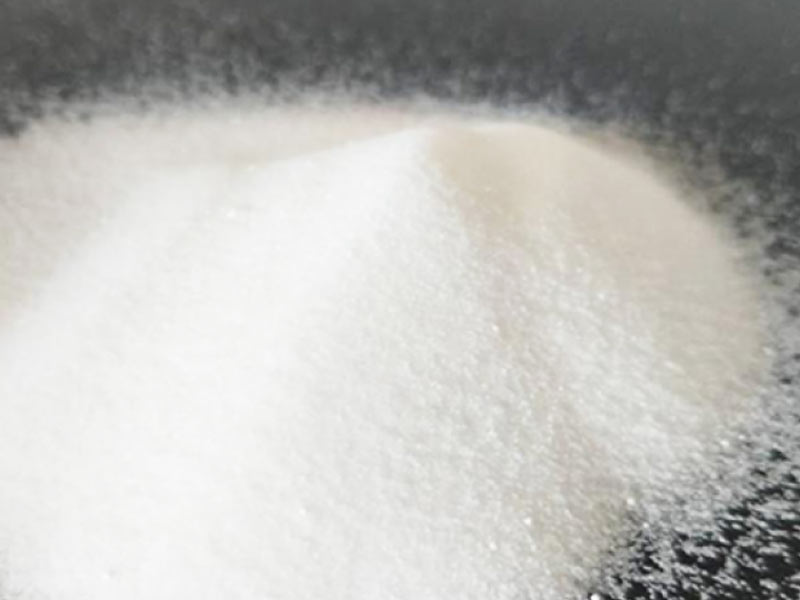
During water treatment, polyacrylamides with varying molecular weights exhibit significantly different efficacy when treating distinct water qualities. Optimal results are achieved at the recommended dosage; excessive or insufficient amounts may produce adverse effects. This is because high-polymerisation-degree aqueous solutions contain macromolecular polymers, which possess numerous active groups capable of interacting with colloidal particles and suspended solids. Consequently, different products are suited to distinct applications across industries. Cationic products are commonly employed in sludge dewatering, typically suited for flocculation and sedimentation of negatively charged wastewater. Anionic variants are appropriate for neutral or alkaline wastewater treatment, such as steel mill effluent, electroplating plant effluent, and metallurgical wastewater. Non-ionic types exhibit minimal pH sensitivity and are well-suited for acidic water conditions, often yielding superior flocculation results. Amphoteric products are suitable for treating complex or frequently fluctuating water qualities. Selecting amphoteric products can effectively reduce surface tension properties. Considering these aspects, it is advisable to conduct trials when treating different water qualities. Only after determining the suitable product should it be added for use.