It is widely recognised that
polyacrylamide serves as a versatile water treatment chemical in water purification processes. As a highly water-soluble polymer, it remains insoluble in most organic solvents. Consequently, thorough understanding of the water to be treated is essential prior to application to ensure optimal treatment efficacy.
Polyacrylamide is categorised into non-ionic, anionic, amphoteric, and cationic types based on its molecular properties. Consequently, selecting the appropriate product type is crucial prior to water treatment. Simultaneously, understanding the characteristics of the water to be treated is essential. For water with a pH value between 5 and 14, anionic products should be employed. For pH values between 1 and 8, non-ionic products may be employed. Cationic products are suitable for pH ranges between 7 and 14. Given its efficacy as a flocculant, thickener, and liquid drag reducer, polyacrylamide finds extensive application in industrial wastewater treatment sectors such as papermaking, petroleum, and coal processing.
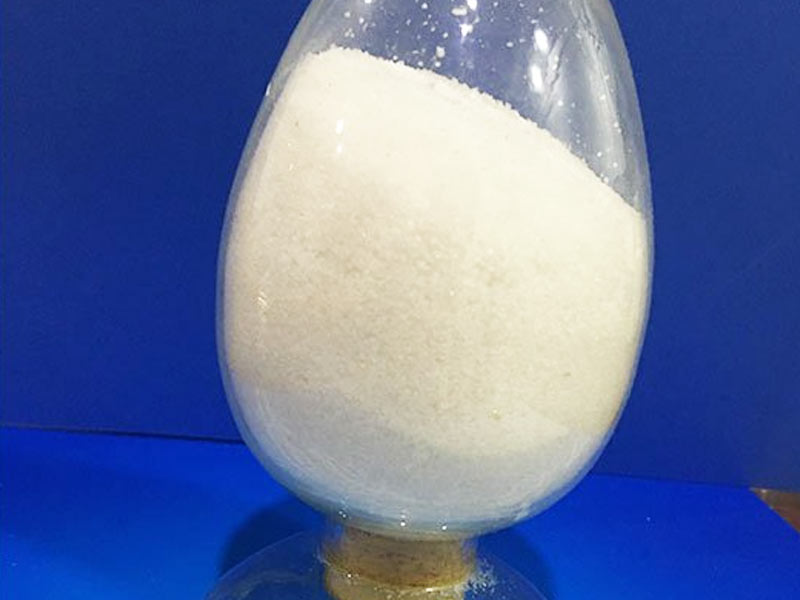
During application, note that higher molecular weight does not necessarily equate to superior flocculation efficiency or performance. Different wastewater streams present varying conditions: some are acidic, others alkaline or neutral, while others contain substantial oil contaminants or inorganic substances. Consequently, no single product can address all scenarios. Optimal results require tailored approaches based on specific water characteristics. Similarly, ion charge level should not be the sole selection criterion. Higher ion charge correlates with lower molecular weight, while higher-charge products command greater cost. Crucially, ion charge influences floc density, size, and moisture content. Determining the appropriate product specification necessitates specific experimental testing.
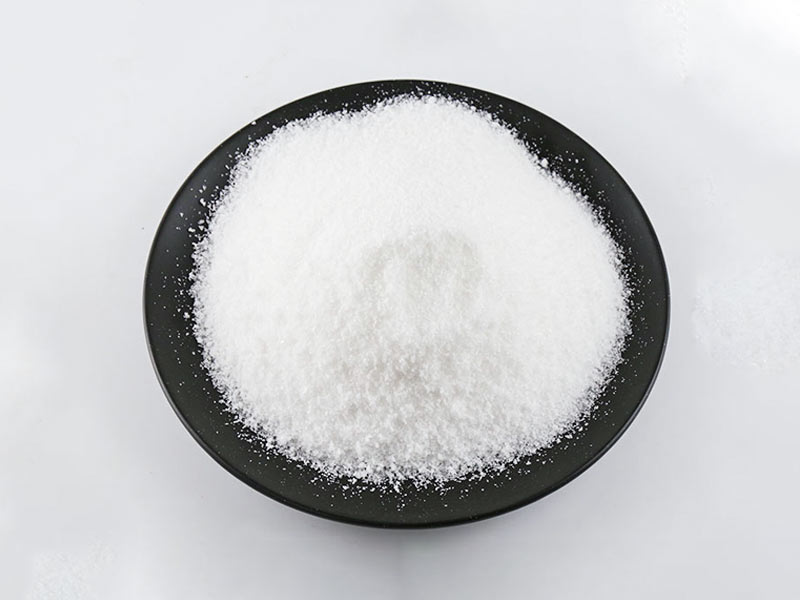
Polyacrylamide typically presents as white solid granules. Optimal performance requires thorough dissolution during application. Generally, dissolution and agitation should not be less than 30 minutes. During colder winter months, dissolution and agitation time may be appropriately extended. The typical concentration range for preparation is 0.1%–0.3%. This is determined by the product's sedimentation rate. For municipal industrial sludge dewatering applications, a higher concentration is typically employed, generally ranging between 0.2% and 0.5%. The precise concentration must be adjusted according to the concentration of the wastewater or sludge. Should the wastewater contain excessive impurities, the concentration may need to be increased. However, excessively high concentrations can directly compromise efficacy, necessitating careful dosage adjustment prior to use.