As a polymeric compound,
cationic polyacrylamide possesses multiple reactive functional groups capable of effectively adsorbing numerous substances. The resulting flocs carry a negative charge, exhibiting excellent turbidity removal, decolourisation, and adsorption properties. It is suitable for applications across industries including papermaking, food processing, metallurgy, and construction, proving particularly effective for dewatering municipal sewage, urban sludge, and papermaking sludge.
Cationic polyacrylamide demonstrates excellent decolourisation capabilities, yielding favourable results in wastewater treatment for printing and dyeing plants. It is also applicable in textile, printing, and ink industries, achieving over 95% decolourisation efficiency with COD removal rates ranging between 40-70%. It should be noted that polyacrylamide is a high-molecular-weight compound. It appears as white granules or powder and is soluble in water, though dissolution occurs slowly. When used as a flocculant, the dosage is typically 1-2g per tonne of wastewater. For preparation, it is advisable to add water to the dissolution tank first. Subsequently, activate the mixer and gradually incorporate the product into the water. Avoid rapid bulk addition, as this may cause clumping and impede dissolution. For optimal dissolution and agitation, employ a cylindrical dissolution tank. Maintain liquid level within the tank at 1.2–1.5 times the tank diameter. Prepare a 0.05–10% aqueous solution for dissolution. The specific concentration should be determined based on the particular characteristics of the sludge. Once dissolved, the product must not be stored for more than 24 hours, as degradation may occur, thereby affecting the final usage efficacy.
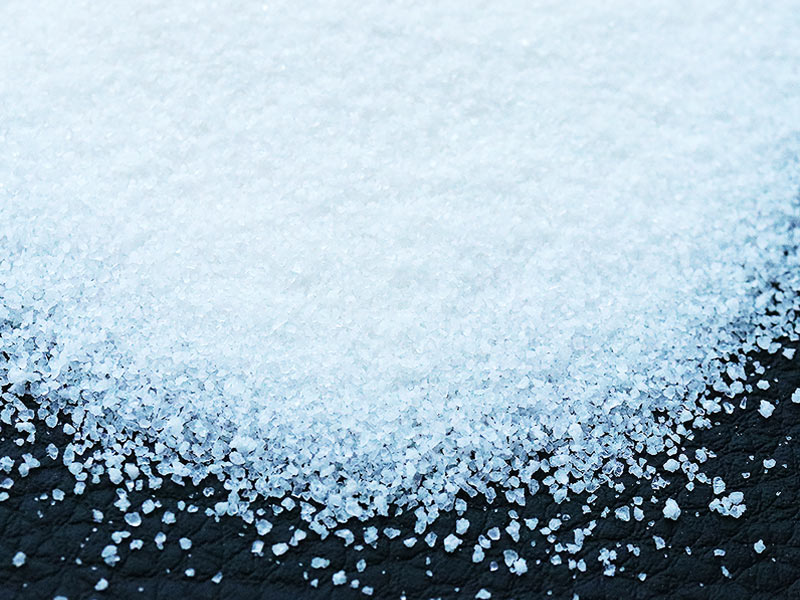
How might one distinguish cationic polyacrylamide products? Cationic polyacrylamide can be differentiated by its degree of hydrolysis. The ionic charge of dry cationic powder products typically fluctuates between 10 and 60. Therefore, a reference standard is required for identification. Anionic products exhibit a hydrolysis degree around 25, while non-ionic products typically have a hydrolysis degree of approximately 5. Take small samples of anionic and cationic products for dissolution. After dissolution, distinguish them through a positive-negative reaction. Introduce the dissolved products into a product tank. The appearance of white flocculent matter indicates a cationic product. The absence of reaction signifies an anionic product.