In the water purification process,
polyacrylamide is not only highly effective but also a commendable water treatment product. As an efficient inorganic polymer flocculant, it boasts a wide range of applications. It exhibits rapid sedimentation rates and maintains excellent performance even at low temperatures. Its broad pH applicability, coupled with minimal residual aluminium and iron ions in treated water, has garnered significant attention.
Why does polyaluminium ferric chloride maintain excellent performance even in colder environments? This is primarily because the iron within undergoes hydrolysis during production, forming polyaluminium ferric ions. Consequently, its effectiveness in wastewater treatment is less affected by temperature fluctuations. Combined with the benefits of polyaluminium, it has become a highly effective chemical agent. It maintains excellent water purification capabilities even in cold conditions. The primary factor affecting low-temperature wastewater treatment is the pH level of the source water. While polyaluminium iron exhibits broad pH adaptability at ambient temperatures, specific pH requirements persist in cold water. Selecting the appropriate dosage remains crucial during application.
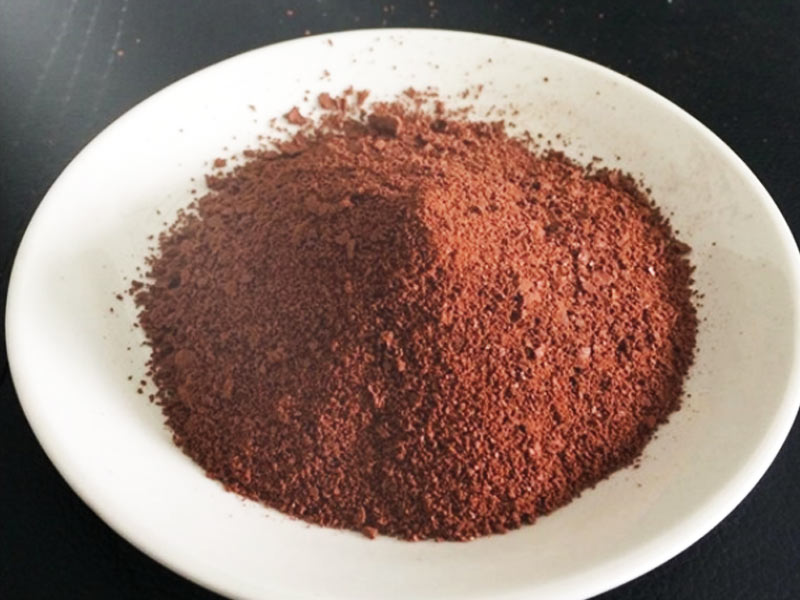
Precisely because of its excellent performance, the usage of polyaluminium ferric chloride continues to increase. Many opt to purchase large quantities for storage to avoid repeated purchases. However, I must advise you: after bulk purchasing, proper storage is essential. This is critical, as improper storage can lead to product deterioration. Once deteriorated, the product's effectiveness is directly compromised. Can deteriorated flocculants still be used?
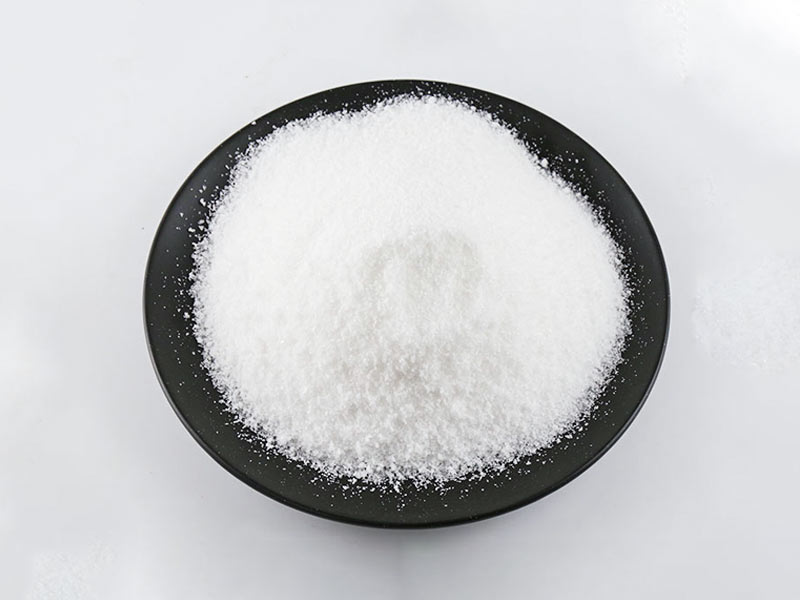
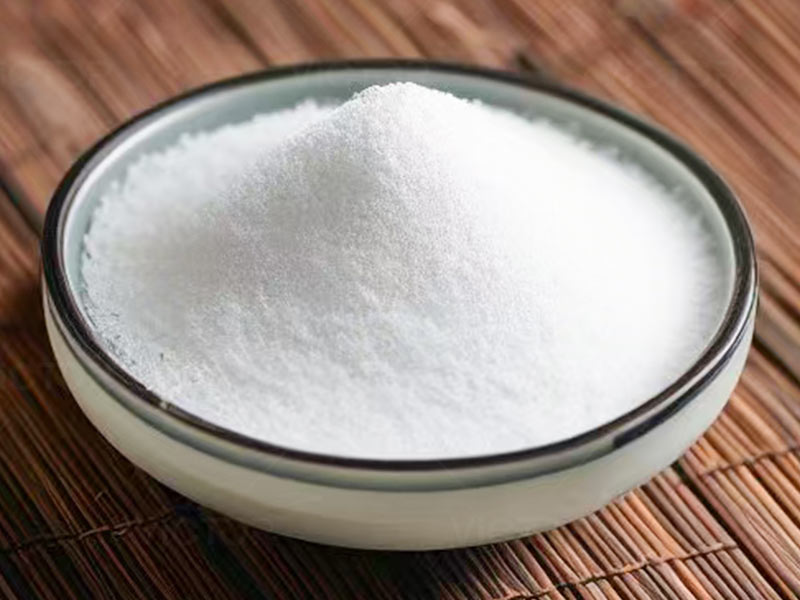
Polyaluminium ferric chloride exists in both solid and liquid forms. Liquid products must be stored in sealed containers; exposure to air is strictly prohibited. Provided no leakage occurs, they remain usable. However, any leakage necessitates immediate action, as leaked products deteriorate rapidly. Consequently, their reuse is generally inadvisable. Solid products typically feature double-layered plastic packaging, simplifying storage management. Even if leakage occurs, the rate of deterioration is relatively slow. Solid products that leak briefly can still be used. However, prolonged exposure to air will cause the product to form lumps. At this stage, it is generally no longer suitable for use.