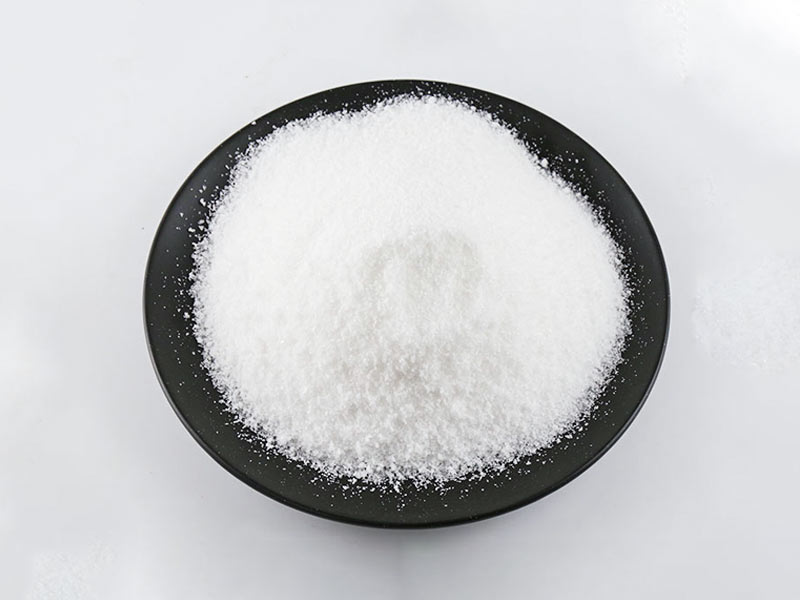
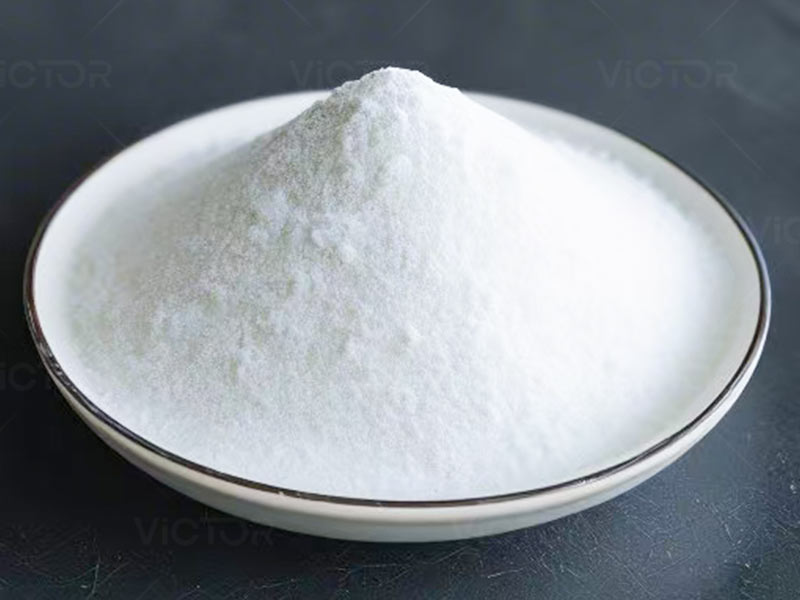
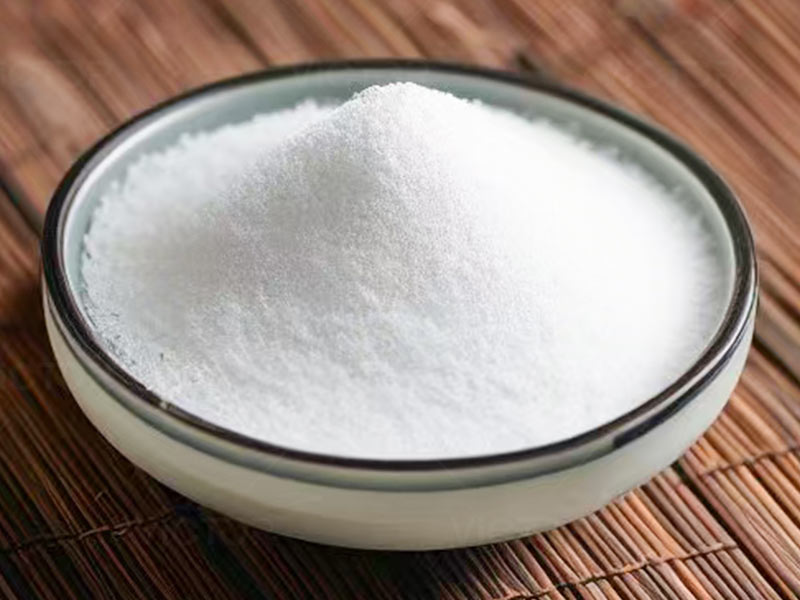
With water pollution becoming increasingly severe, the importance of water treatment processes has grown significantly. Consequently, the market has seen a proliferation of water purification agents.
Polyferric sulphate is one such agent. As a commonly used water purification product, it demonstrates unique efficacy in treating phosphorus-containing wastewater, rendering it highly favoured by the public.
Polyferric sulphate is a product of the hydrolysis process of ferric sulphate. It inherently contains a large quantity of polymeric cations that facilitate bridging and flocculation. It is a high-performance inorganic polymer flocculant. It dissolves readily in water. Flocculation occurs rapidly, forming dense particles with high relative density. Settling is swift, effectively screening out various impurities from wastewater. It finds extensive application in treating drinking water, industrial water, diverse industrial effluents, and municipal sewage. Its corrosive effect on equipment is minimal. The product is readily available and cost-effective, making it widely accessible.
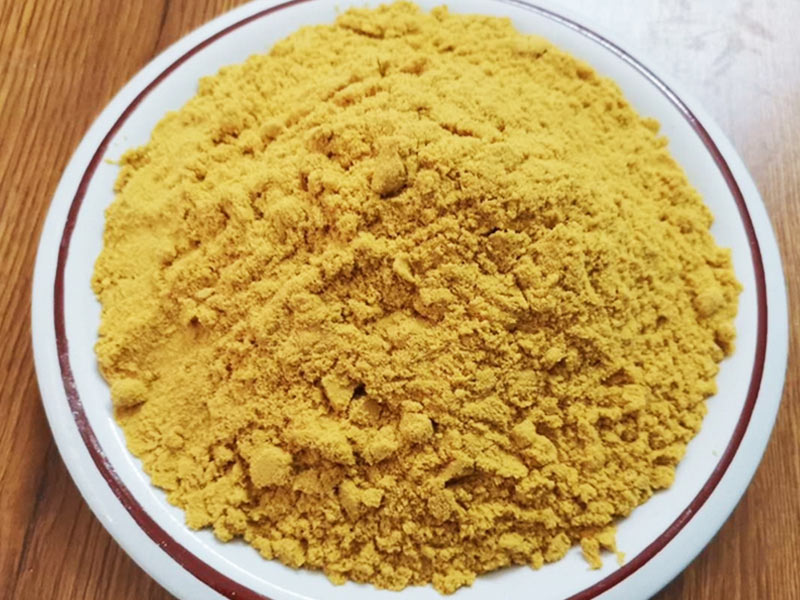
What should be considered when treating phosphorus-containing wastewater? To ensure effective phosphorus removal during application, the dosage of polyferric sulphate should be determined based on the turbidity of the raw water. Under typical turbidity conditions, the dosage ranges from 30 to 50 kilograms per thousand tonnes of water. For highly turbid wastewater or drinking water treatment, the dosage may be appropriately increased. In terms of phosphorus removal efficacy, it delivers excellent purification results and superior water quality. The treated water is free from harmful substances such as heavy metal ions and aluminium ions. It is non-toxic, harmless, and safe for use.
However, its price is susceptible to fluctuations in raw material costs. The primary raw materials for ferric sulphate polymer are sulphuric acid and oxidising agents. These are the key determinants of price fluctuations. Any shortage in raw materials will lead to an increase in product prices. Therefore, it is advisable to purchase additional quantities for reserve. However, it is important to note that during storage, the product must be kept in a cool, dry, and well-ventilated place, avoiding direct contact with air. Furthermore, the shelf life must be strictly observed. The shelf life for liquid products is generally 3 months, while solid products have a shelf life of 6 months. Prolonged storage may diminish efficacy. Brief skin contact during use poses no harm or loss; prompt rinsing suffices, though ingestion must be avoided. Clothing contaminated with the product may be cleaned using oxalic acid. Prior to application, dissolution and dilution are advisable. For industrial wastewater treatment, dilution should be 1-2 times the concentration. Water purification plants may dilute to 2-5 times the concentration.