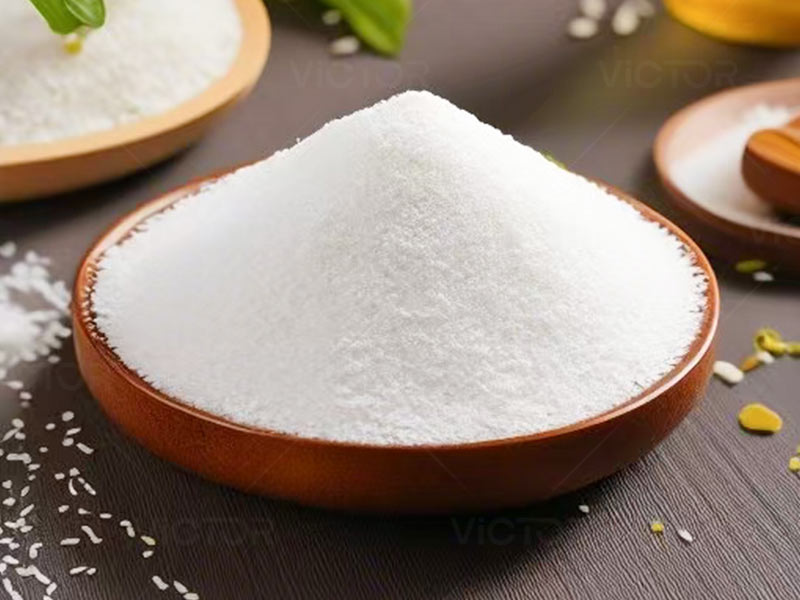
As one of the most widely used chemicals in sewage treatment plants and waterworks, the quality of
polyaluminium chloride directly impacts water treatment efficacy. Therefore, careful selection is essential during procurement. What specific considerations should we bear in mind when purchasing?
The selection of polyaluminium chloride varies according to its application scenario. For instance, industrial-grade products are required for treating industrial wastewater, whereas potable-grade products are necessary for drinking water treatment. This is because different products yield distinct treatment outcomes. Consequently, the chemical concentration represents a crucial factor in selection and purchasing decisions, and also influences pricing considerations.
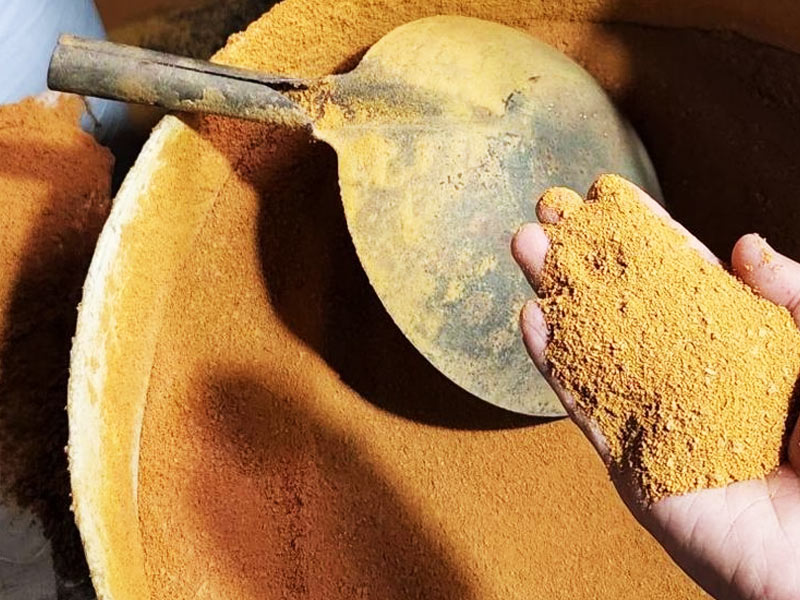
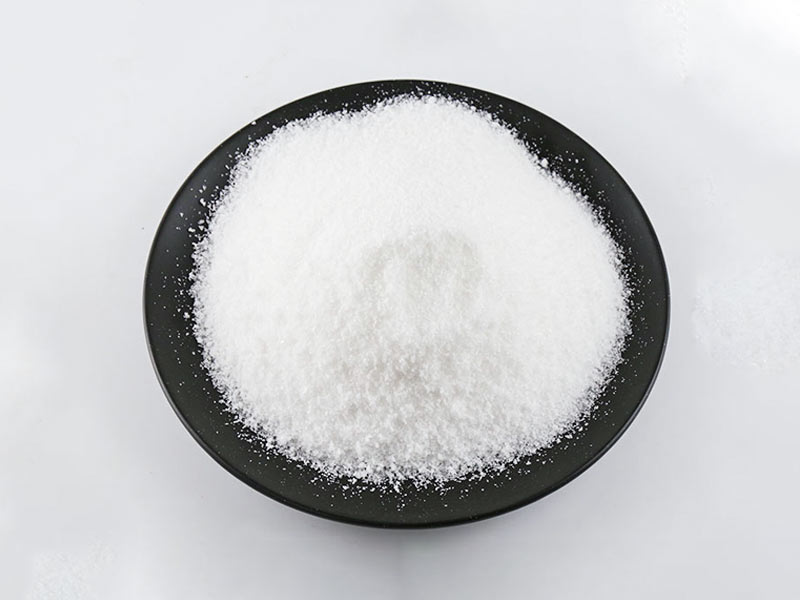
Polyaluminium chloride exists in both liquid and solid forms. Liquid products are relatively inexpensive but incur higher transportation and storage costs. Solid products, while easier to transport, require dissolution prior to use. They generally offer better performance during application and are priced higher than liquid variants. Therefore, selection should be based on specific operational requirements. Only by choosing the appropriate product can optimal performance be achieved, thereby effectively reducing costs.
Content is crucial when selecting polyaluminium chloride, as it determines the product's purity and quality, thereby influencing its efficacy. Mastering content determination methods is therefore essential. How is this done? Acid can be added to the sample for decomposition. Excess ethylenediaminetetraacetic acid disodium salt solution reacts with aluminium and other metal ions to form complexes. Subsequently, aluminium ions are extracted using a titration solution. Titrate the extracted disodium ethylenediaminetetraacetate with a standard zinc chloride titrant. Test samples may comprise 8.0–8.5g liquid or 2.8–3.0g solid product. Dissolve in water, then dilute the entire solution in 500ml water. After thorough mixing, pipette approximately 20 mL of the solution into a 250 mL conical flask. Add 2 mL of nitric acid solution and boil for approximately one minute. Allow to cool, then add 20 mL of disodium ethylenediaminetetraacetate solution and boil again for approximately two minutes. After cooling, add 10 mL of sodium acetate buffer solution. Titrate with zinc chloride standard solution until the solution colour changes from pale yellow to faint red. This constitutes the method for determining polyaluminium chloride content. This procedure ensures product quality meets specifications. However, it is advisable to select reputable manufacturers when purchasing.