As a commonly used water purification flocculant,
polyacrylamide products are widely recognised. Their highly effective water treatment capabilities make them a preferred choice for many in water treatment applications. While their efficacy is evident, what principles should be observed during use? Let us explore this together.
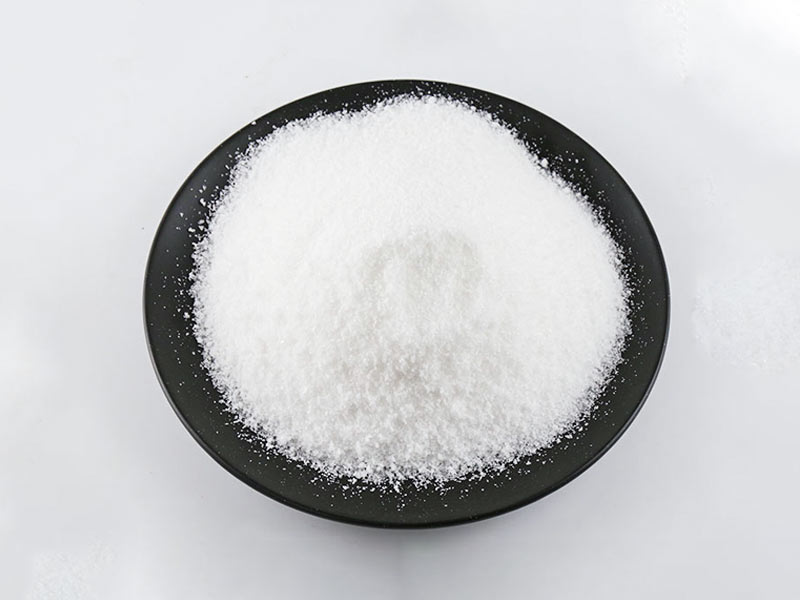
When employing polyacrylamide, note that granular or powdered formulations must not be added directly. They require prior dissolution. For wastewater treatment using aqueous solutions, ensure the water employed for dissolution is clean. Tap water is preferable for this purpose. Crucially, never use contaminated water for dissolution. Heating the water during dissolution is unnecessary. However, dissolution rates slow below 5°C. To accelerate dissolution, increase the water temperature. Yet, dissolution above 40°C may cause degradation, impairing treatment efficacy. Generally, tap water is suitable for dissolving all products. Regarding concentration selection, a range of 0.1%–0.3% is recommended—equivalent to adding 1–3 grams of product per litre of water.
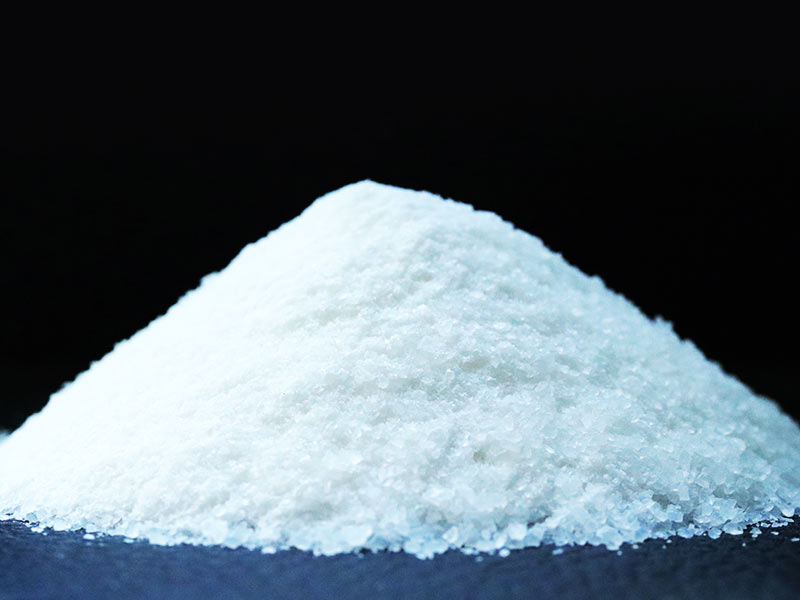
Achieving optimal water treatment outcomes requires judicious product selection, typically necessitating trial testing. Representative amide products include anionic, cationic, non-ionic, and amphoteric types, with varying efficacy across different formulations during water treatment. Test procedures involve introducing raw water into a container for refinement; if precipitation occurs, flocculants may be employed. When selecting, opt for flocculants capable of producing stable flocs. Determine the optimal flocculant type by comparing weak, medium, and strong variants, alongside the most suitable dosage.
Concurrently, as polyacrylamide is a chemical agent, although it presents minimal skin irritation to humans, it does possess some irritant properties. Therefore, protective equipment must be worn during handling. Should skin contact occur, immediately rinse thoroughly with water. Furthermore, upon contact with water, it forms a gel that creates slippery conditions, posing a tripping hazard to pedestrians. Thus, preventative measures must be taken to avoid leakage. During storage, it must be kept in a cool, well-ventilated area and ensure it is sealed. Failure to seal properly may lead to product degradation over time. Therefore, meticulous attention to storage conditions is essential.